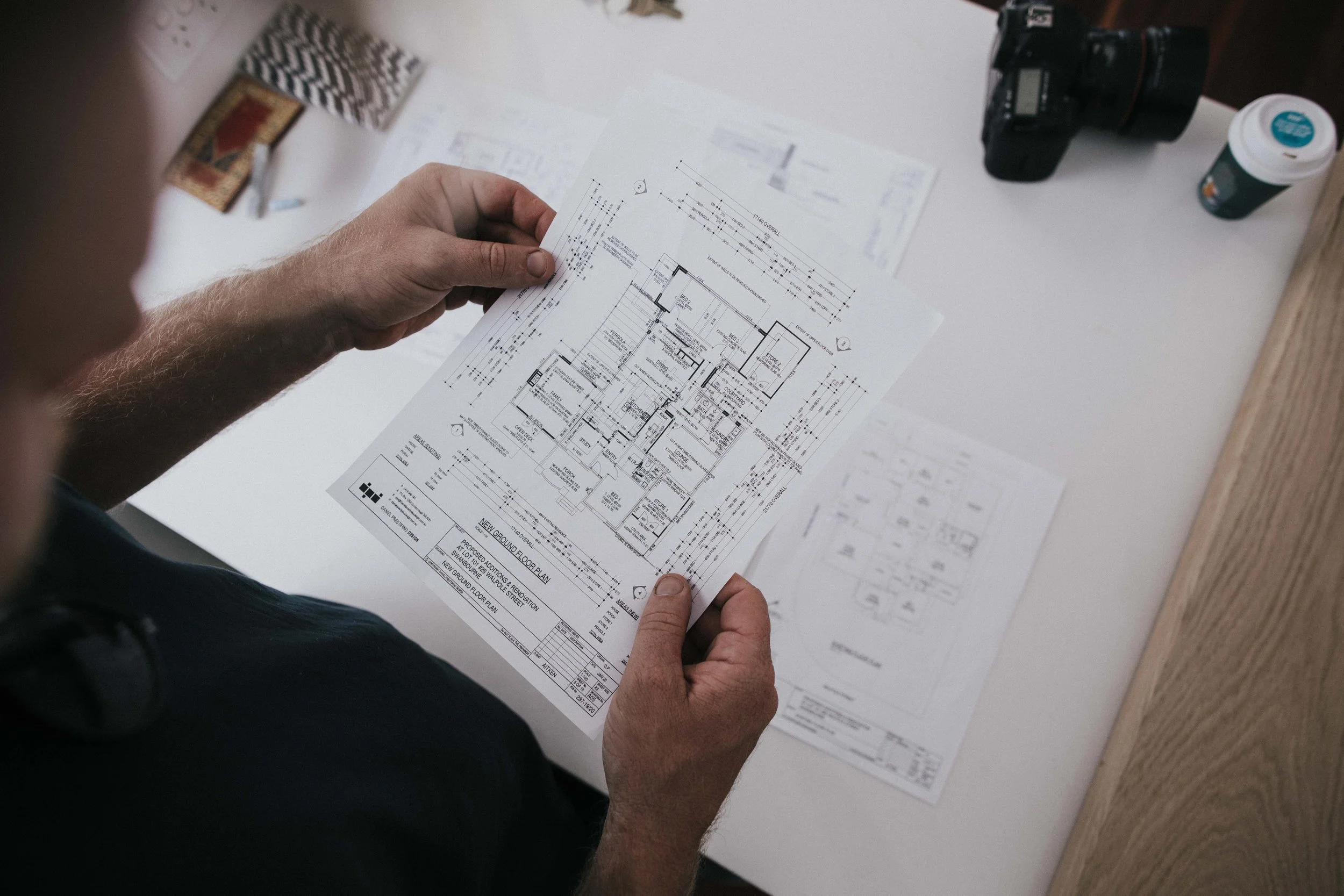
THE QUIET SPACES THAT SHAPE HOW A HOME WORKS
February 24 2026
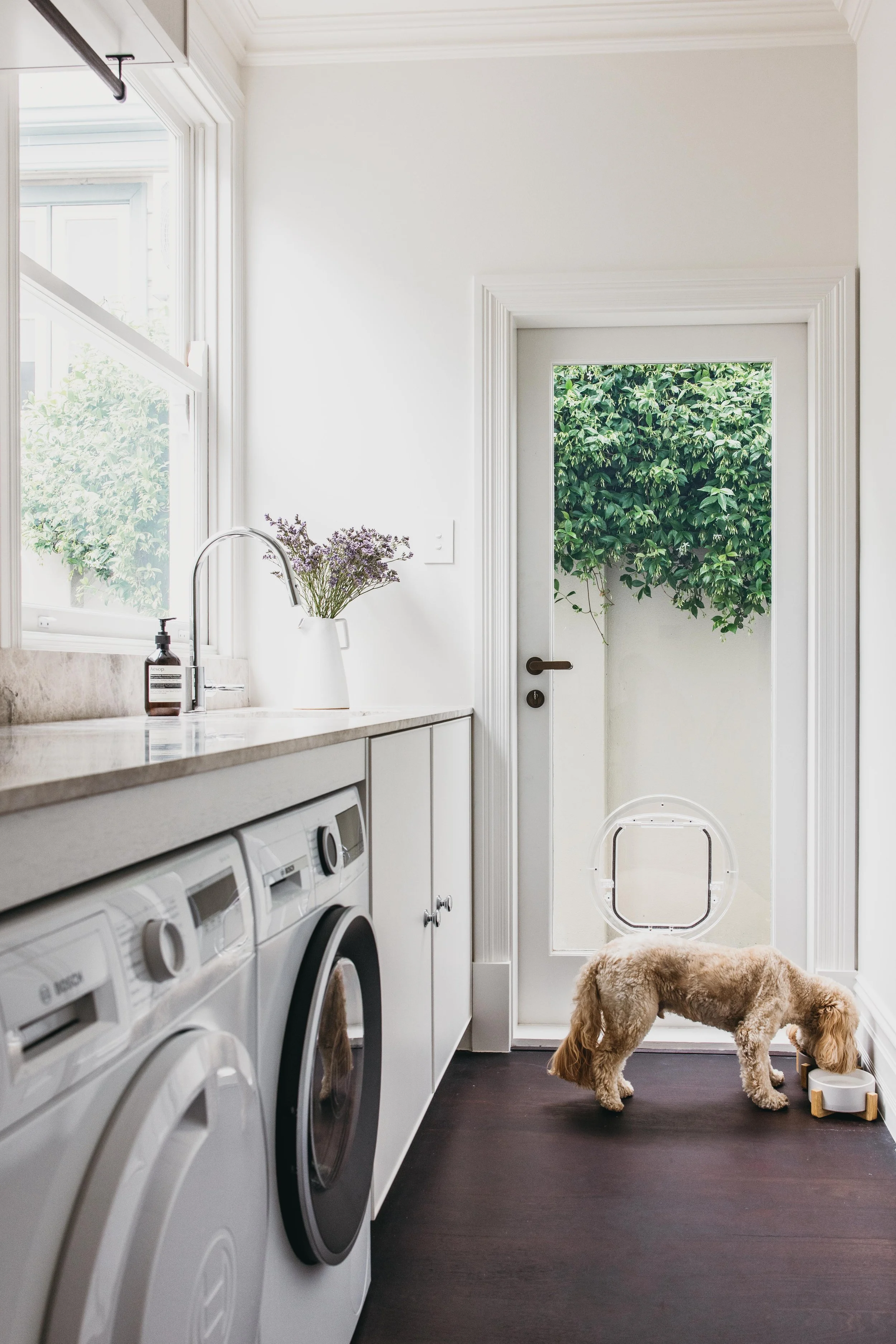
The rooms we rely on most are rarely the ones we show first. They are the spaces that support daily routines, absorb the mess, and keep the rest of the home feeling calm and intentional.
When these rooms are designed well, you feel it everywhere else.
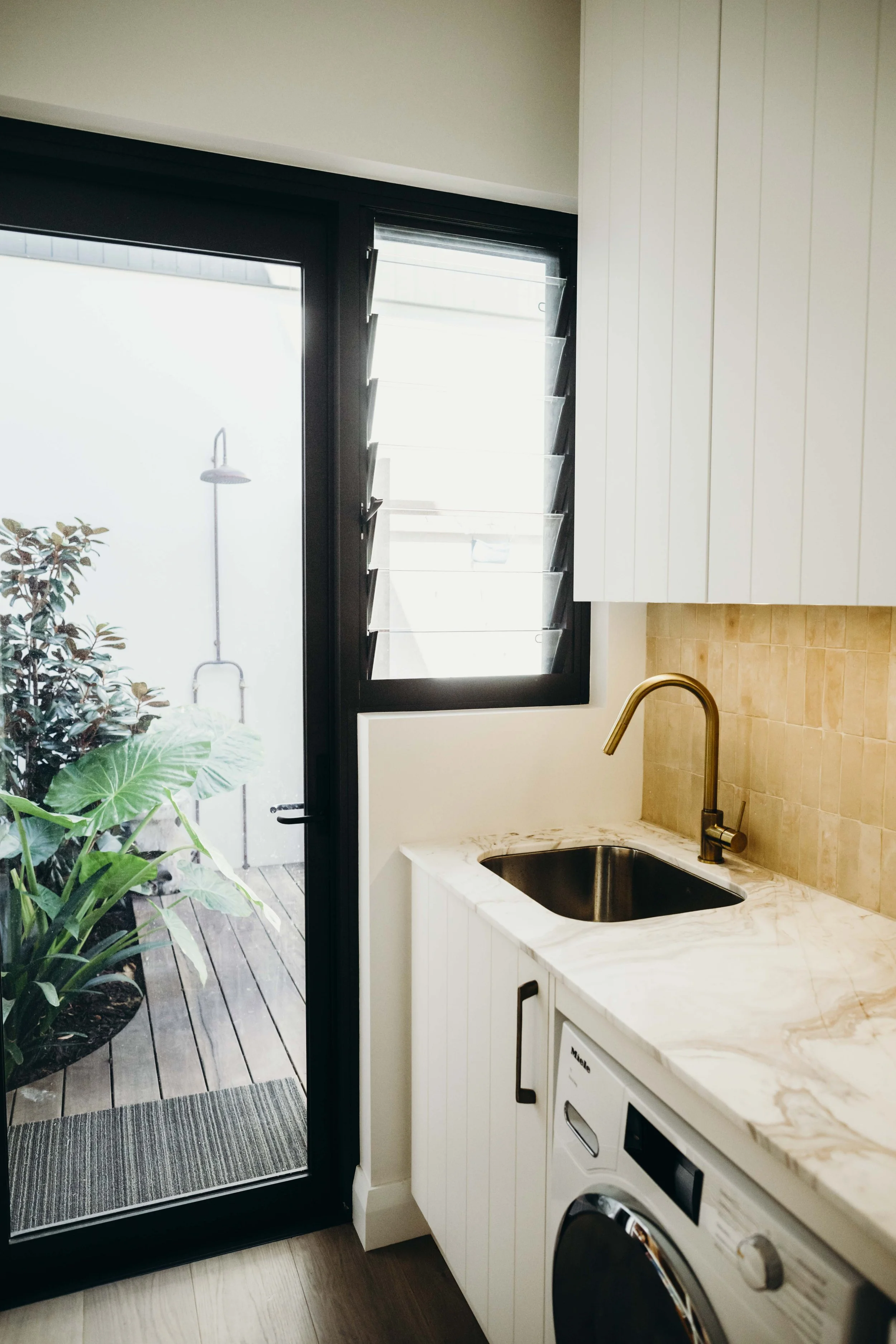
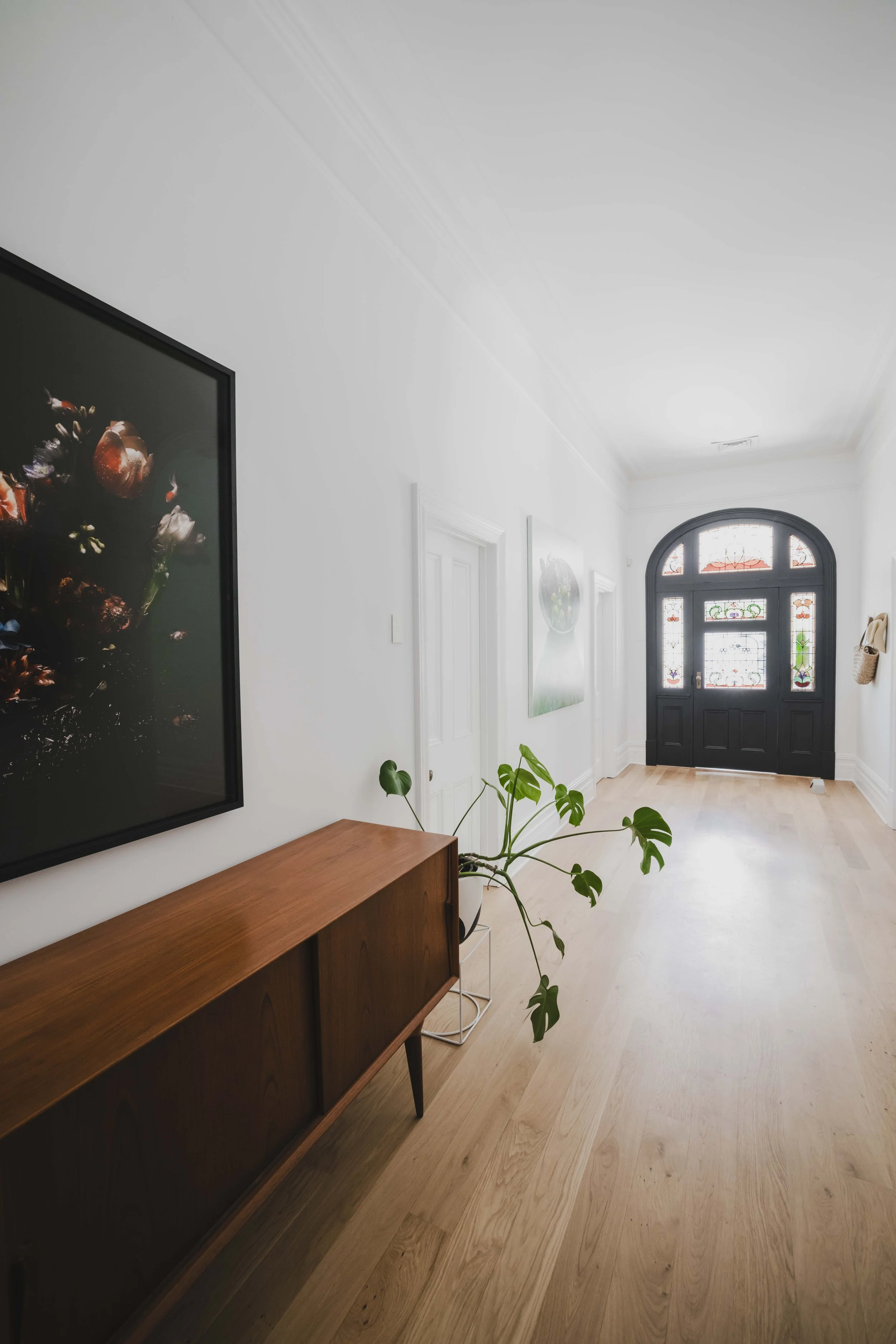
In residential design, attention naturally gravitates towards kitchens, living spaces and primary bedrooms. These rooms anchor a home visually and socially. But it is the secondary spaces, the ones working quietly in the background, that determine how well a home actually functions.
When these rooms are overlooked, daily life feels harder than it needs to be. When they are considered early and designed with intention, the entire home benefits.
The laundry
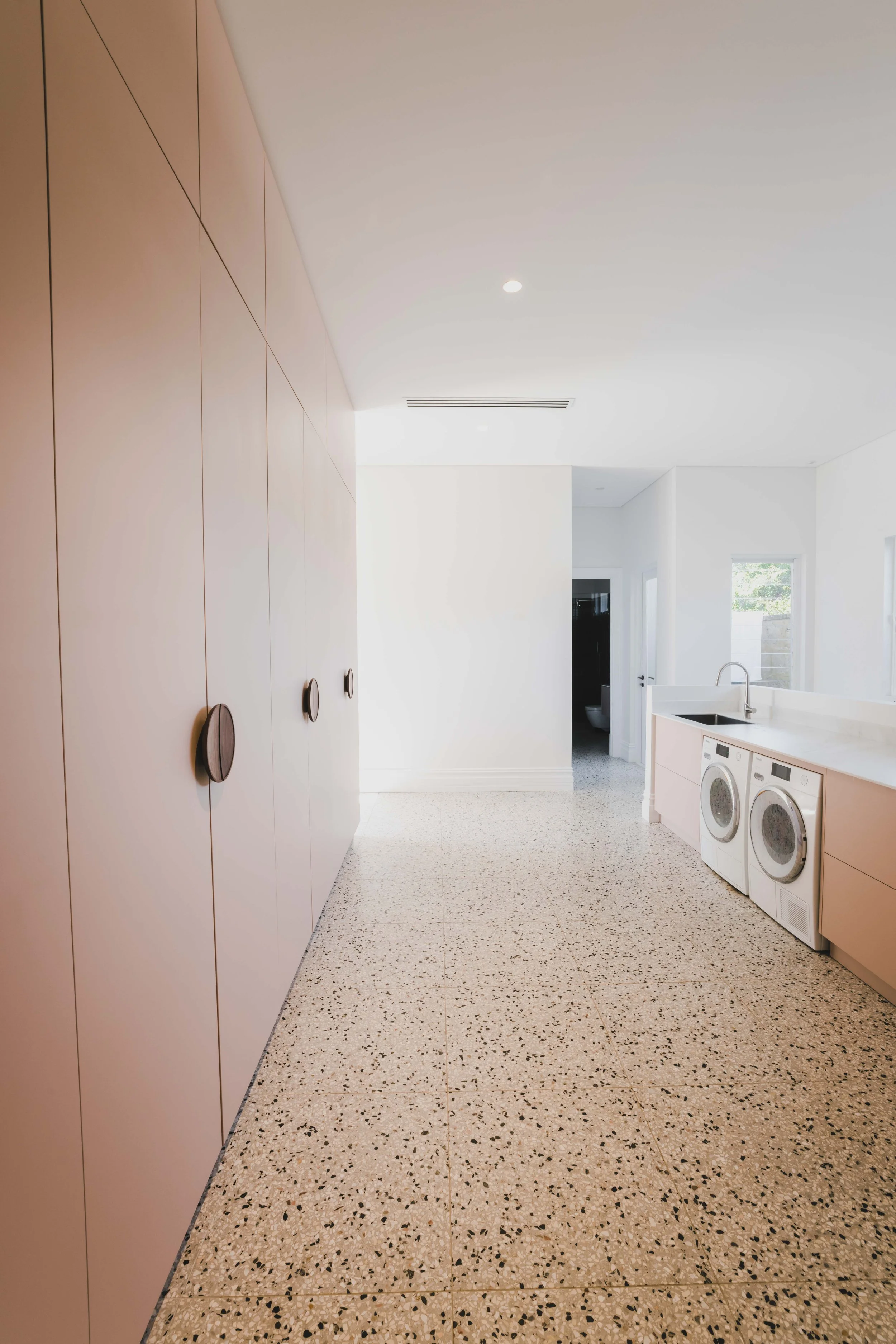
The laundry is one of the most heavily used rooms in the home, yet it is often treated as an afterthought.
Beyond washing and drying, it supports folding, storage, cleaning supplies and household overflow. It is a space of constant movement, repetition and routine.
When the laundry works, everything else feels easier.
A well-designed laundry creates order behind the scenes. It keeps mess contained, reduces visual noise throughout the home, and supports the rhythm of daily life without demanding attention.
THINGS TO CONSIDER
Bench space for folding, not just machines
Storage for everyday cleaning tools, not just linen
Clear circulation so multiple tasks can happen at once
Durable finishes that can handle moisture and wear
Positioning that makes sense for daily flow, near bedrooms or secondary access
The pantry
A pantry does far more than store food. It allows the kitchen to function calmly and efficiently, even during the busiest moments.
Without a considered pantry, kitchens quickly become cluttered. Appliances migrate onto benchtops, bulk items fill cupboards, and visual clarity is lost.
The pantry is what allows the kitchen to stay composed.
When planned well, it supports how a household shops, cooks and entertains, while protecting the design integrity of the kitchen itself.
THINGS TO CONSIDER
Storage depth and shelf heights that suit real grocery habits
Space for small appliances to live and be used
Power points where they are actually needed
Lighting that makes the space usable, not just decorative
Easy access from prep zones without interrupting kitchen flow
The scullery
In open-plan homes, sculleries play an important supporting role.
They allow the main kitchen to remain social, clean and visually resolved while accommodating prep, clean-up and storage. This separation of function without separation of experience is what makes sculleries so effective.
It is not about hiding mess, it is about protecting flow.
A well-integrated scullery enhances how the kitchen is used rather than complicating it.
THINGS TO CONSIDER
Clear sightlines and intuitive access from the main kitchen
Sufficient bench space for real prep, not overflow storage
Thoughtful appliance placement to avoid congestion
Ventilation to manage heat, steam and noise
Consistent materials that feel connected, not secondary
The entry or mudroom
The entry is the first and last experience of the home each day.
Shoes, bags, coats and daily clutter all arrive here. Without intention, these items spread quickly into living spaces, disrupting the sense of order throughout the house.
This is where the home either absorbs the day or reflects it.
A considered entry zone creates an immediate sense of control and ease, setting the tone for everything that follows.
THINGS TO CONSIDER
Storage designed for real life, not perfect styling
Seating for shoes and transitions
Durable flooring that handles dirt and wear
Clear separation between arrival space and living zones
Lighting that feels welcoming rather than functional only
The powder room
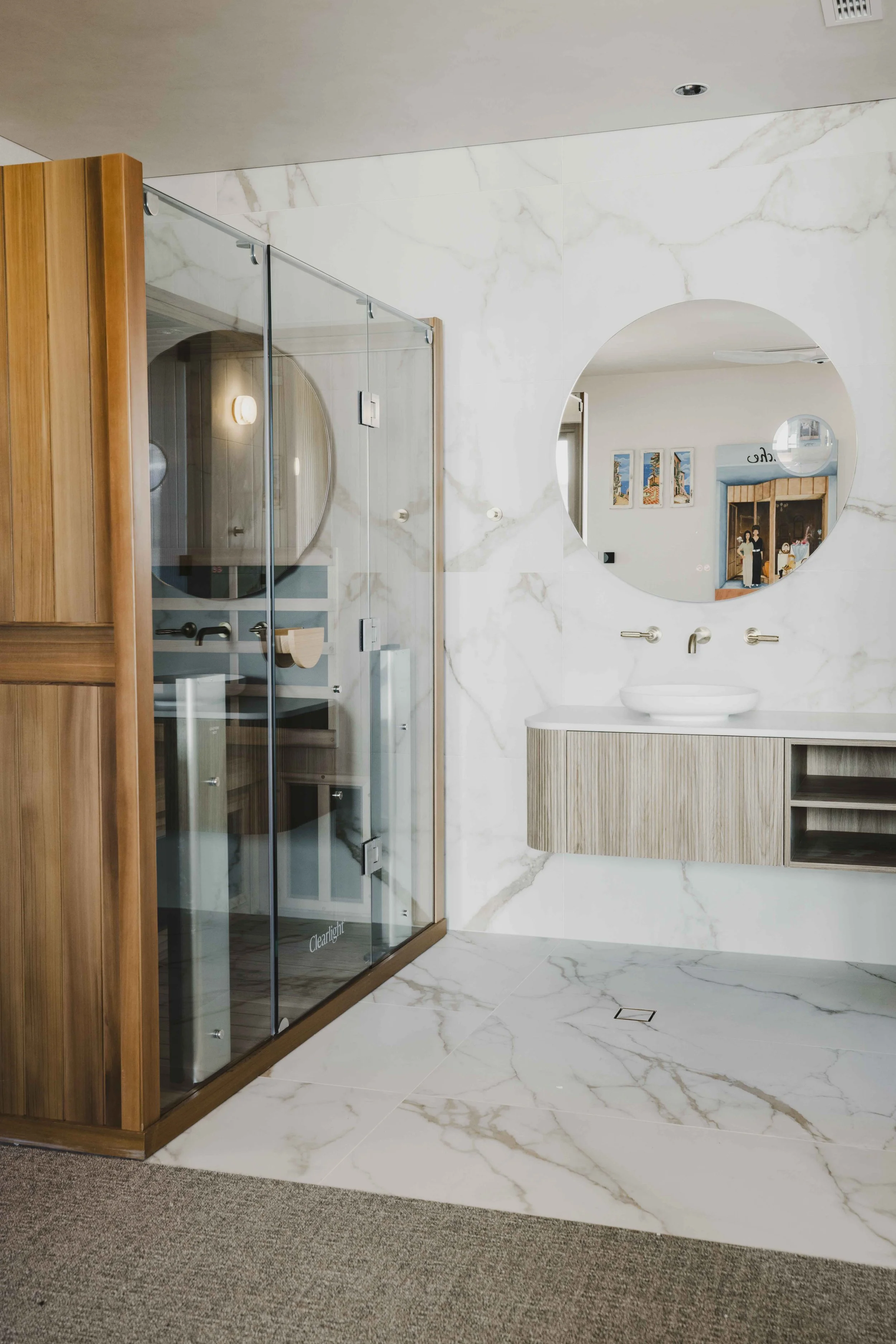
Powder rooms may be compact, but they carry disproportionate impact.
Because they are used briefly, they offer an opportunity to introduce depth, texture and personality without overwhelming the broader home.
These rooms are remembered, even if they are not lingered in.
When designed thoughtfully, a powder room reinforces the level of care taken across the entire project.
THINGS TO CONSIDER
Statement materials
Lighting that flatters rather than overwhelms
Proportions that feel intentional
Thoughtful detailing that elevates a small footprint
Finishes that connect subtly to the rest of the home
WHY THESE ROOMS DESERVE MORE ATTENTION
These spaces rarely feature on mood boards, yet they shape daily experience more than almost any other room.
They reduce friction, support routine, and allow the main spaces of the home to function as intended. When they are designed well, they disappear into the background in the best possible way.
True luxury is not needing to think about the basics.
DESIGN TIPS FOR GETTING THESE ROOMS RIGHT
Plan these spaces early, not after key rooms are resolved
Design for workflow and routine, not just storage
Prioritise lighting, ventilation and durable materials
Consider how each space connects to the rest of the home
Allow these rooms to quietly support the architectural vision rather than compete with it
At Mayfair, we treat these rooms with the same level of consideration as the main living spaces. Because a home is only as good as the way it works day to day.
These are the rooms that matter more than you think, and once they are done well, you feel the difference everywhere.
Thinking about which rooms matter most in your next project? Explore how Mayfair Building Co designs luxury homes with purpose-driven spaces.