A PRACTICAL GUIDE TO DECISIONS THAT HOLD UP OVER TIME
May 21, 2026
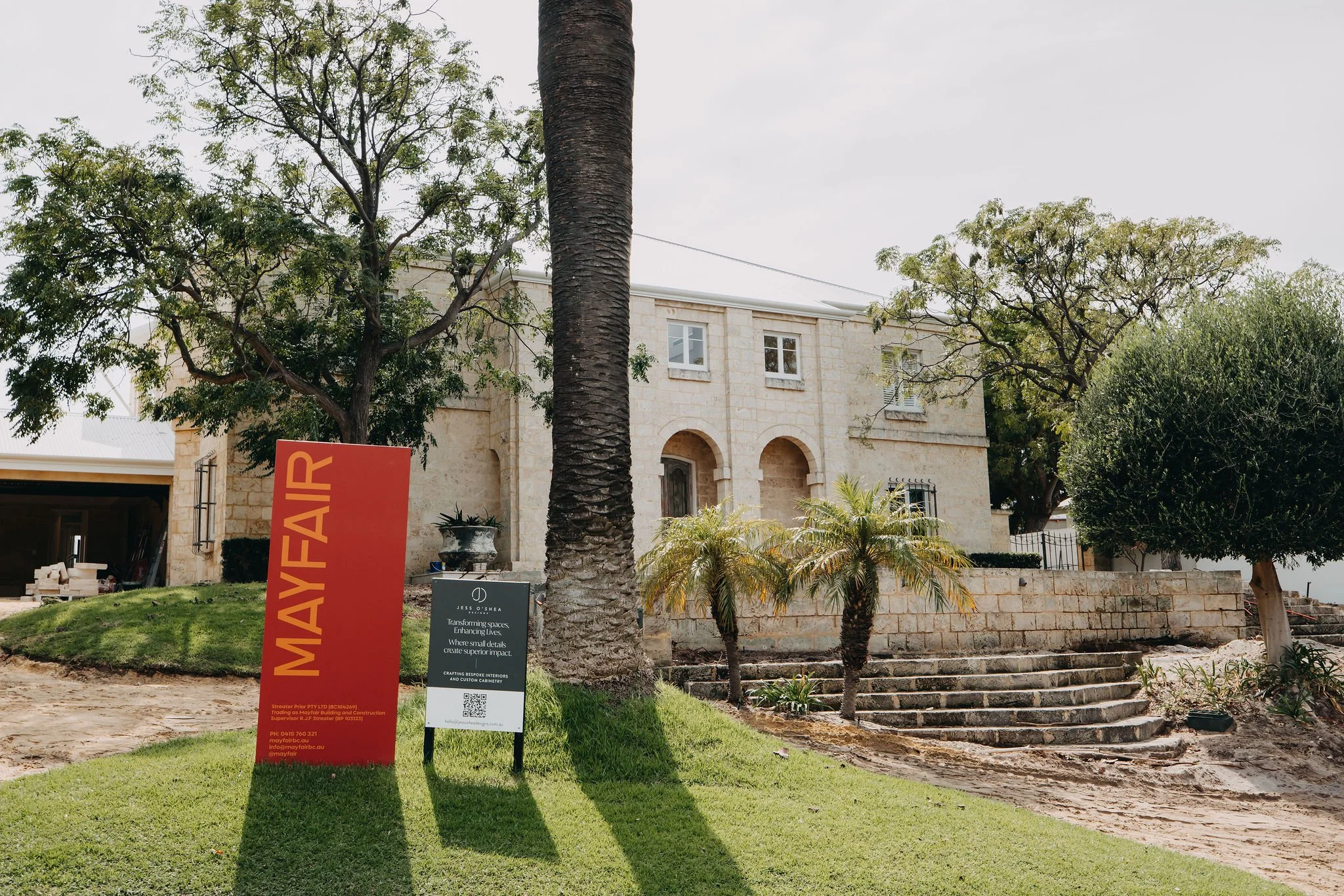
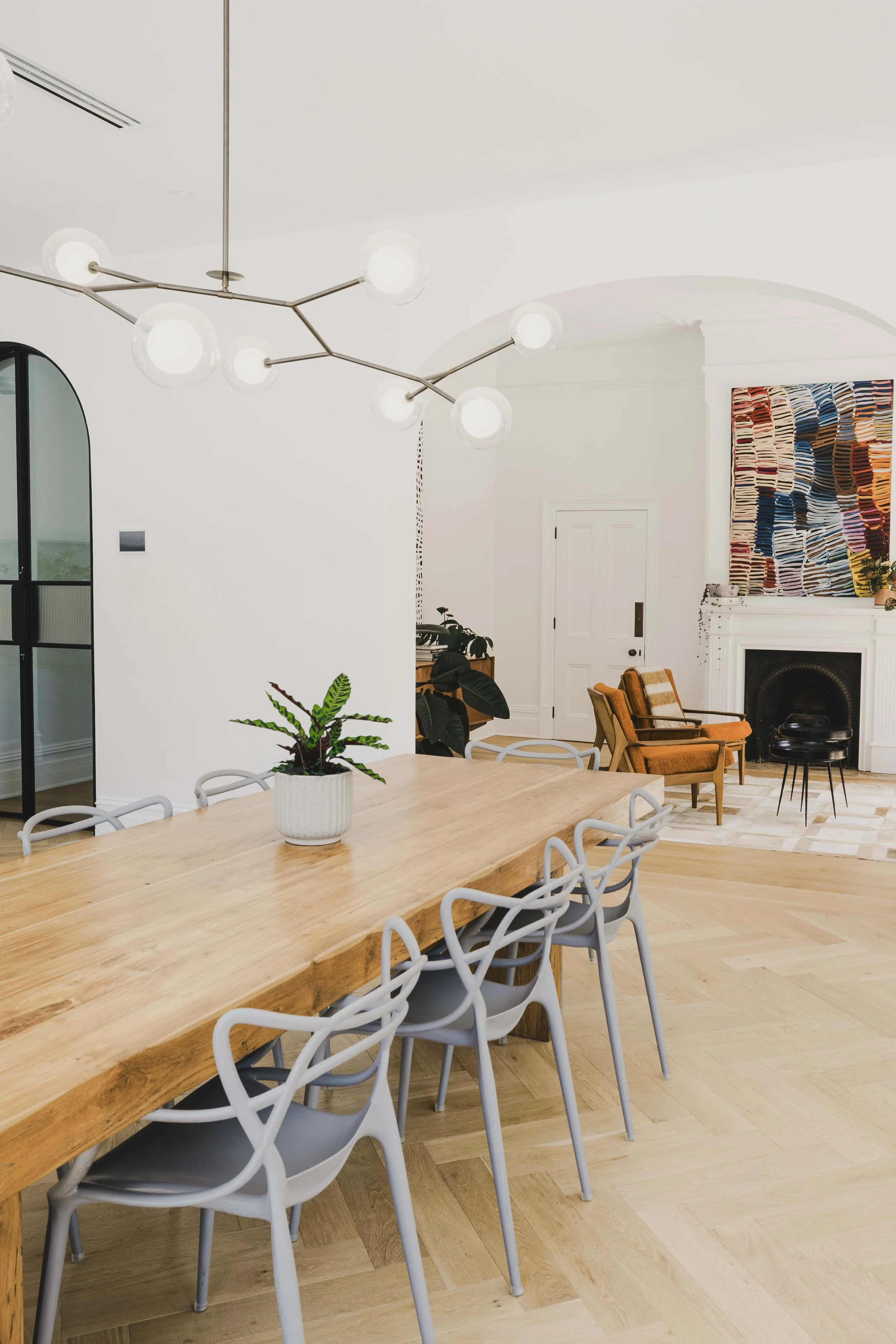
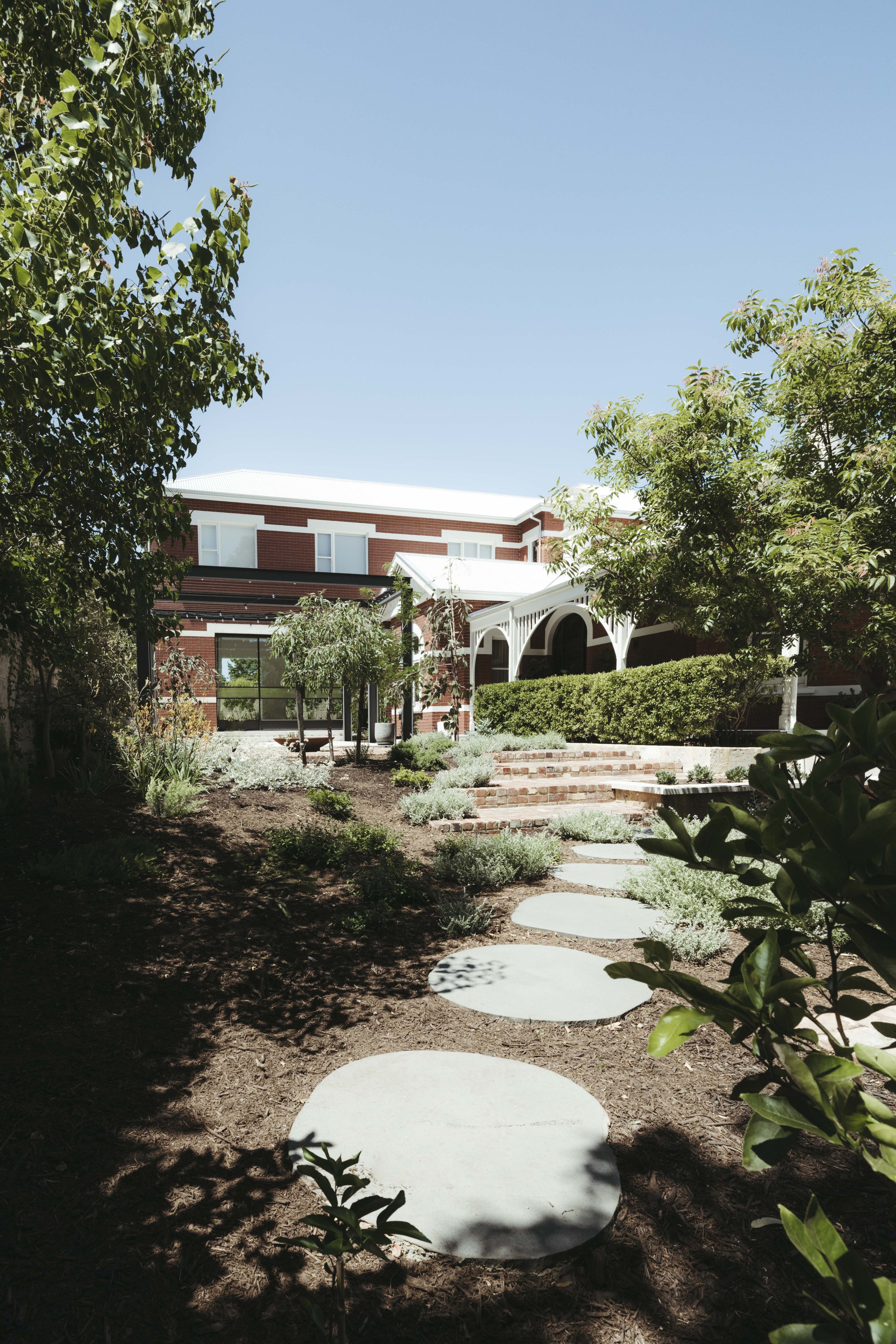
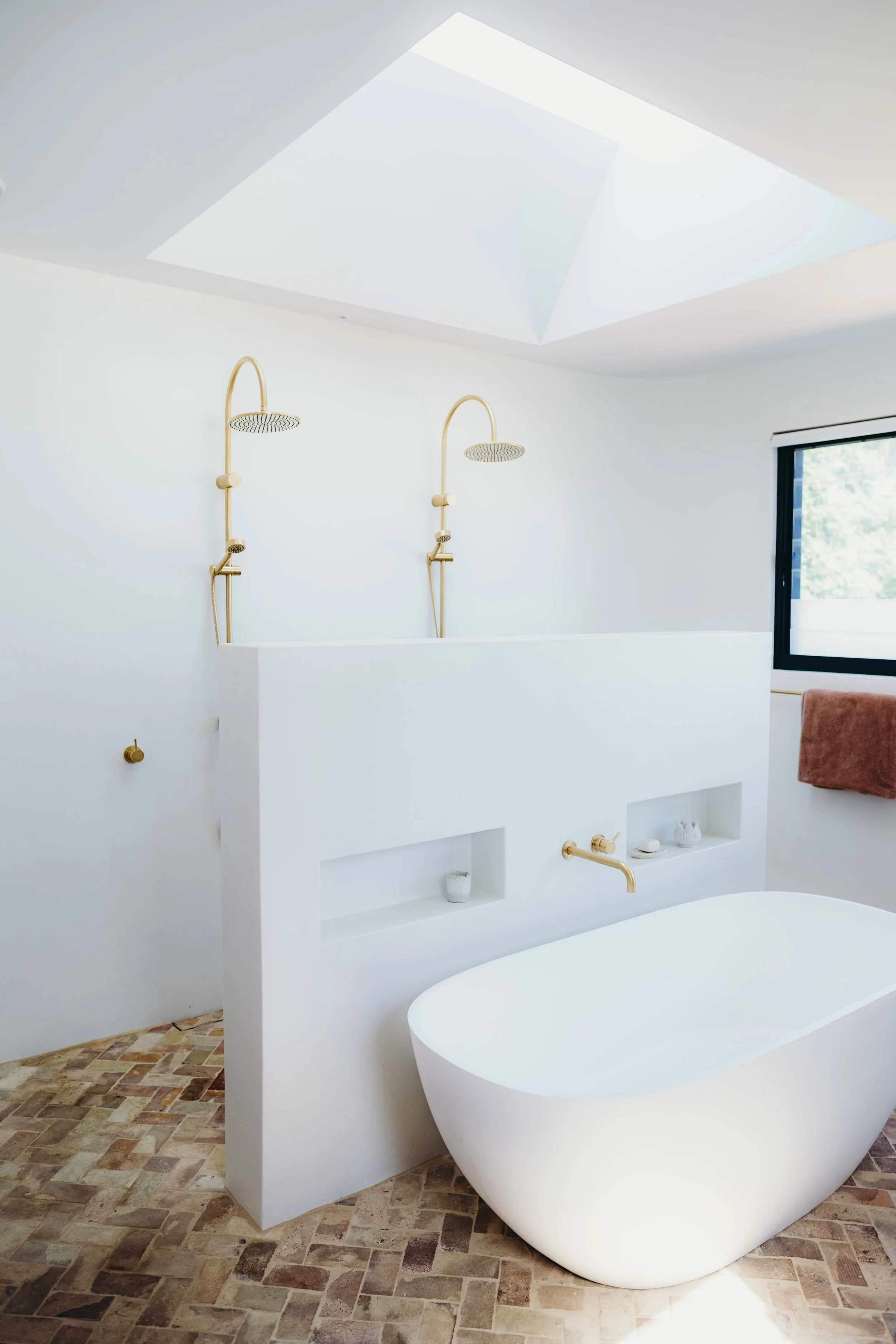
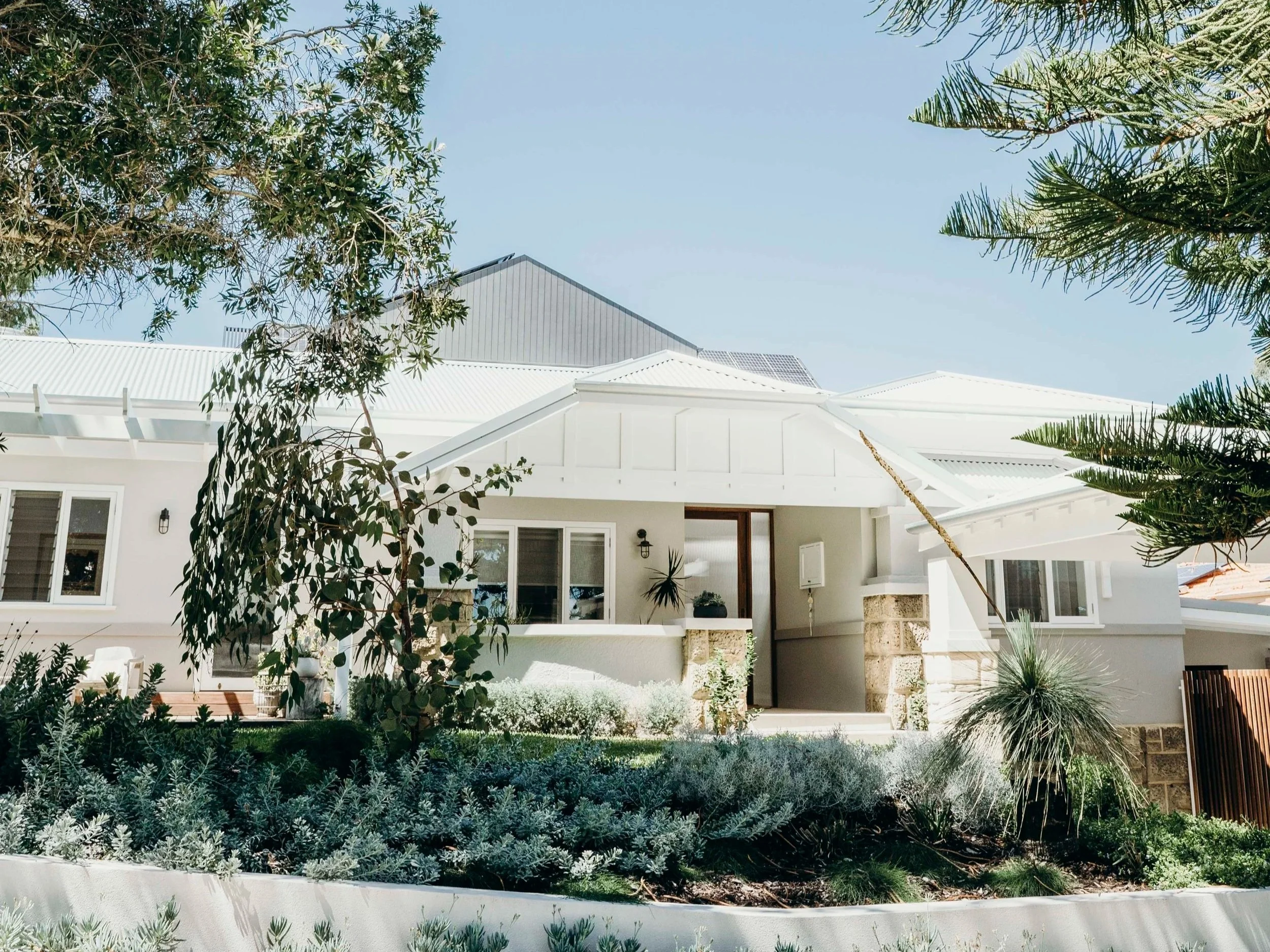
Building a home is one of the few decisions where short-term thinking can have long-term consequences. The choices made during design and construction shape how a property performs, feels and holds value for decades, not just at handover.
What feels like a saving during construction can become a cost later. What seems like an upgrade today may date quickly. And what is overlooked early often becomes difficult, or expensive, to fix once the home is complete.
Homes that retain their value are rarely the result of one big decision. They are the outcome of hundreds of smaller ones, made with clarity, consistency and a long-term view.
This guide looks at the choices that shape lasting value in prestige homes and premium homes, particularly within the context of working with experienced luxury home builders in Perth, where climate, lifestyle and buyer expectations all play a role.
Value Is Built In, Not Added On Later
There is a common assumption that value can be layered onto a home through finishes or styling. In reality, long-term value is established much earlier in the build process.
It sits in:
how the home is planned around your site and lifestyle
how it responds to its orientation, climate and outlook
how well it functions day to day for the people who live in it
and how consistently decisions are made from concept through to completion
A custom home with strong fundamentals will always outperform one that relies on surface-level appeal. Buyers, valuers and the people living in the home, even when they cannot articulate it, can feel the difference between a property that has been resolved and one that has been assembled.
Quality vs Cost
WHY CHEAPER DECISIONS RARELY STAY CHEAP
Cost matters. It always does. But cost and value are not the same thing, and confusing the two is one of the most common mistakes made during a custom home build.
Lower upfront pricing often comes from:
reduced material quality and lower-grade finishes
simplified construction methods that ignore the design intent
less experienced trades who cut corners under pressure
or incomplete scope that resurfaces later as variations
These decisions tend to compound over time. Finishes wear faster. Building systems require earlier replacement. Details that looked acceptable at handover begin to show strain under daily use.
What appears cost-effective initially can become a cycle of maintenance, repair and incremental upgrades, which is the opposite of what owners of prestige homes are looking for.
Where quality actually shows up
In high-performing luxury homes, quality is not always visible at first glance. It sits in:
structural integrity and build precision throughout the home
consistency across trades and finishes
accuracy in installation, not just product selection
thoughtful detailing at junctions, edges and material transitions
These are the elements that determine whether a home ages well or begins to feel tired within a few years. They also separate experienced builders from those still learning the craft.
The real cost of getting it wrong
Rectifying poor workmanship or replacing underperforming materials is almost always more expensive than doing it properly the first time. More importantly, it disrupts how the home is lived in and erodes the trust that should sit between owner and builder.
True value comes from decisions that do not need to be revisited.
Resale Value
DESIGNING FOR TODAY WITHOUT LIMITING TOMORROW
Even if you are not planning to sell, resale value matters. It is not about designing for someone else. It is about avoiding decisions that narrow your home's appeal over time, especially in established Perth suburbs where buyers have a clear sense of what a quality home looks like.
Homes that retain strong resale value tend to share a few consistent characteristics.
1. They feel considered, not over-designed
Highly specific design choices can feel compelling in the moment but may not translate broadly. This includes:
overly trend-driven finishes that date quickly
highly personalised layouts that limit future buyers
bold features that dominate rather than support the home
A more restrained, resolved design allows future buyers to see themselves in the space. It does not feel generic. It feels adaptable.
2. They prioritise functionality over novelty
Buyers place long-term value on homes that work. This means:
intuitive layouts that suit how families actually live
practical storage built into the design from day one
strong indoor-outdoor connection suited to the Perth climate
well-zoned living areas that support both gathering and retreat
Features that look impressive but compromise usability tend to lose appeal quickly.
3. They respond to their location
In Perth, this is particularly important. Climate, orientation and lifestyle expectations shape how a home is experienced, and how well it performs over its lifetime.
Homes that maximise natural light, manage heat effectively, and create usable outdoor spaces tend to hold value far more consistently than those that ignore these fundamentals. Passive design choices, made early, often outperform expensive add-ons later.
4. They avoid visible compromise
In premium homes, buyers notice inconsistency. A high-end kitchen paired with average detailing elsewhere creates tension. So does a strong architectural concept that is diluted through cost-cutting during construction.
Consistency signals quality. And quality supports value.
Material Longevity
CHOOSING WHAT LASTS, NOT JUST WHAT LOOKS GOOD NOW
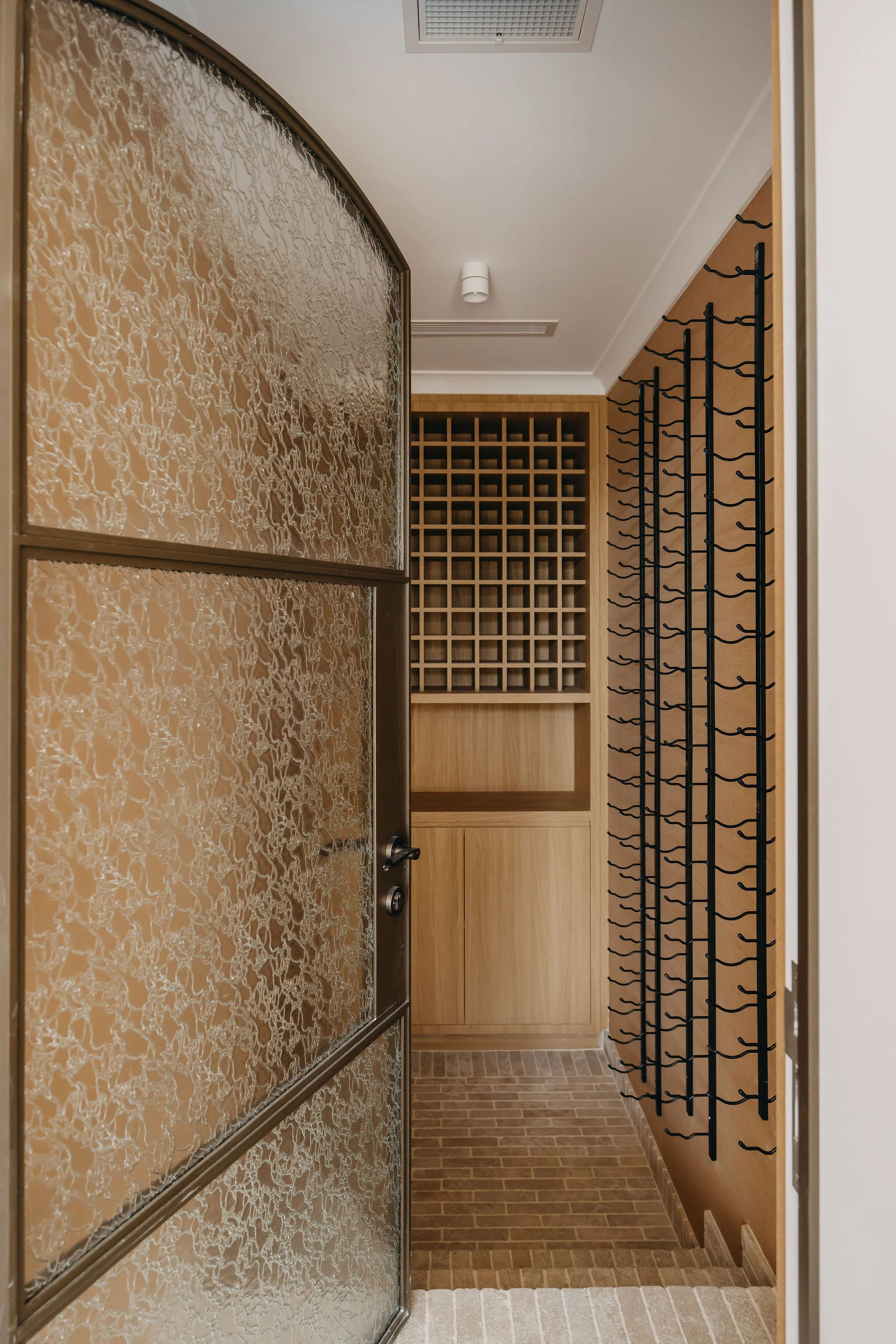
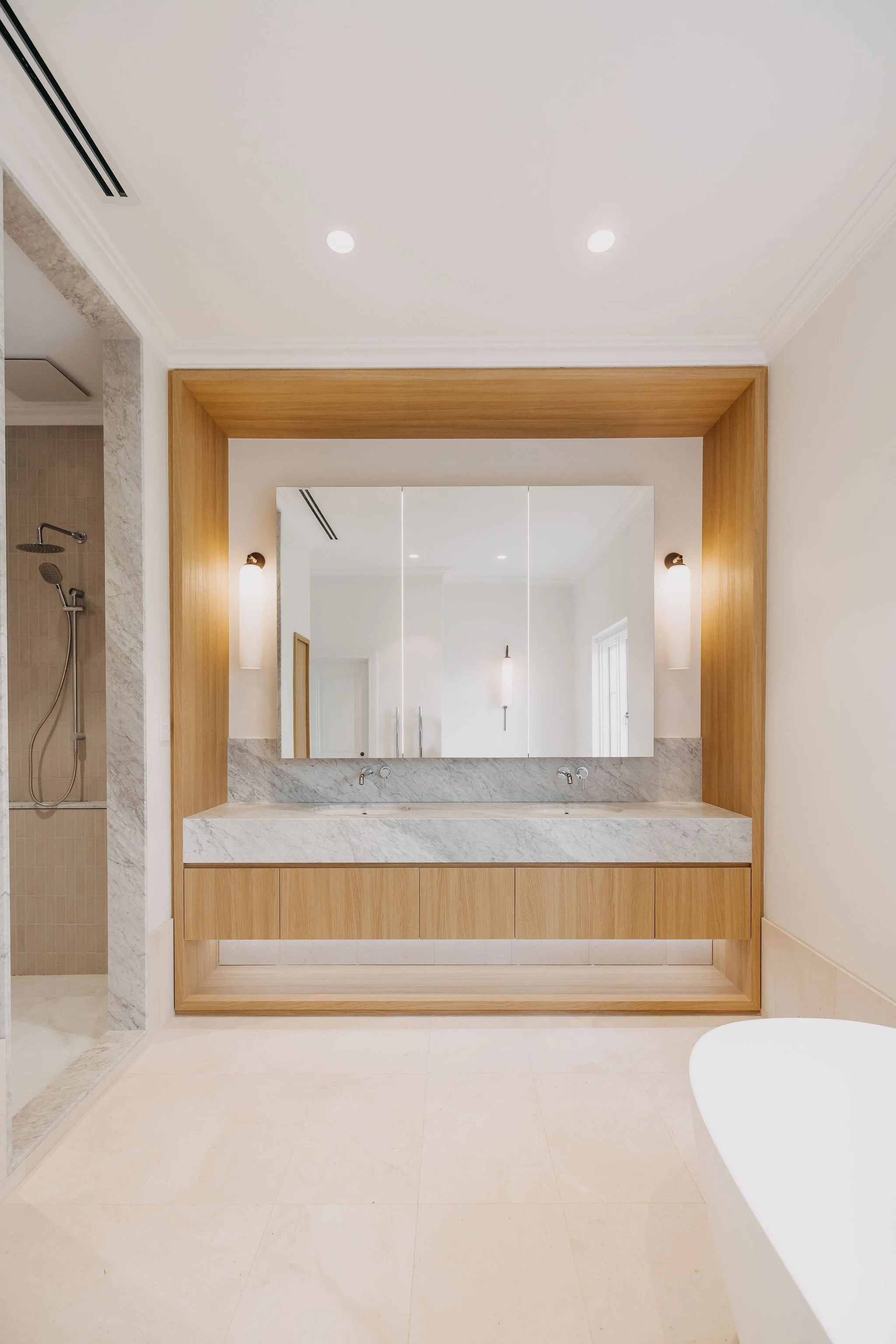
Materials do more than define how a home looks. They determine how it performs over time. In Australian conditions, this becomes even more important.
Heat, UV exposure, moisture and general wear all test materials differently than in more controlled environments. Coastal sites add salt to the mix, which is why material selection in Perth needs to be approached with the climate firmly in view.
Understanding how materials age
Every material has a lifecycle. Some:
develop character and depth over time
soften with use and feel better with age
and continue to look refined years after installation
Others:
degrade visibly under sun and use
show wear quickly in high-traffic zones
or require constant upkeep to maintain their appearance
The goal is not to avoid ageing. It is to choose materials that age well.
Common considerations for long-term performance
UV stability for external finishes and exposed surfaces
moisture resistance in wet areas and transitional spaces
scratch and impact resistance in high-use zones
maintenance requirements over a 5 to 15 year period, not just year one
A material that looks refined in a showroom may behave very differently in a lived-in home, particularly one used by children, pets or frequent guests.
The difference between durable and high-maintenance
Some materials are durable but require ongoing care. Others are inherently resilient with minimal intervention. Neither is right or wrong. The decision should align with how you want to live.
If a home is designed for ease, materials should support that. If the intention is to embrace patina and change, selections can reflect that instead. What matters is alignment between expectation and reality.
The Role of the Builder
WHY EXECUTION IS JUST AS IMPORTANT AS DESIGN
Even the best design decisions rely on execution. This is where the role of experienced builders in Perth becomes critical, particularly for prestige homes where detail and precision matter.
A well-resolved design can still fall short if:
trades are not aligned through the build
sequencing is poorly managed across the program
or details are not executed consistently from start to finish
What strong builders bring to long-term value
early input into constructability and material selection
established relationships with skilled trades who understand premium standards
clear processes that reduce errors and rework
oversight that protects design intent during construction
Mayfair's integrated services model brings carpentry, electrical, plumbing and other key trades in-house, which removes a layer of risk that often shows up later as compromise.
Value is not just created in drawings. It is delivered on site, every day.
Thinking Beyond Completion
It is easy to focus on how a home will feel at handover. Less attention is often given to how it will perform:
five years in, when finishes are tested by daily life
ten years in, when systems start needing service
or even longer, when the home may serve a different stage of life
Homes that command long-term value are designed with that horizon in mind. They:
require less reactive maintenance
adapt more easily to changing needs
and continue to feel relevant as trends shift
This is where restraint becomes powerful. Not every decision needs to be expressive. Some need to be enduring.
Your Long-Term Considerations
Long-term value is not driven by a single feature, material or decision. It is the outcome of alignment between:
design and budget
materials and lifestyle
builder and execution
vision and practicality
When these elements work together, the home feels resolved from the beginning and continues to perform long after completion. This is what defines truly successful premium homes. Not just how they look when finished, but how they live, age and hold their value over time.
If you are planning a new build and want to make decisions that support both immediate experience and long-term value, working with a team that understands this balance from the outset makes a measurable difference. Browse our luxury custom home projects to see how this approach plays out across different Perth sites and architectural briefs.
At Mayfair, we approach every project with that perspective, because the best homes are not just built for today. They are built to last. Start a conversation with our team about your next build.