WHAT SETS ARCHITECT-DESIGNED BUILDS APART, AND WHY IT MATTERS
June 4, 2026
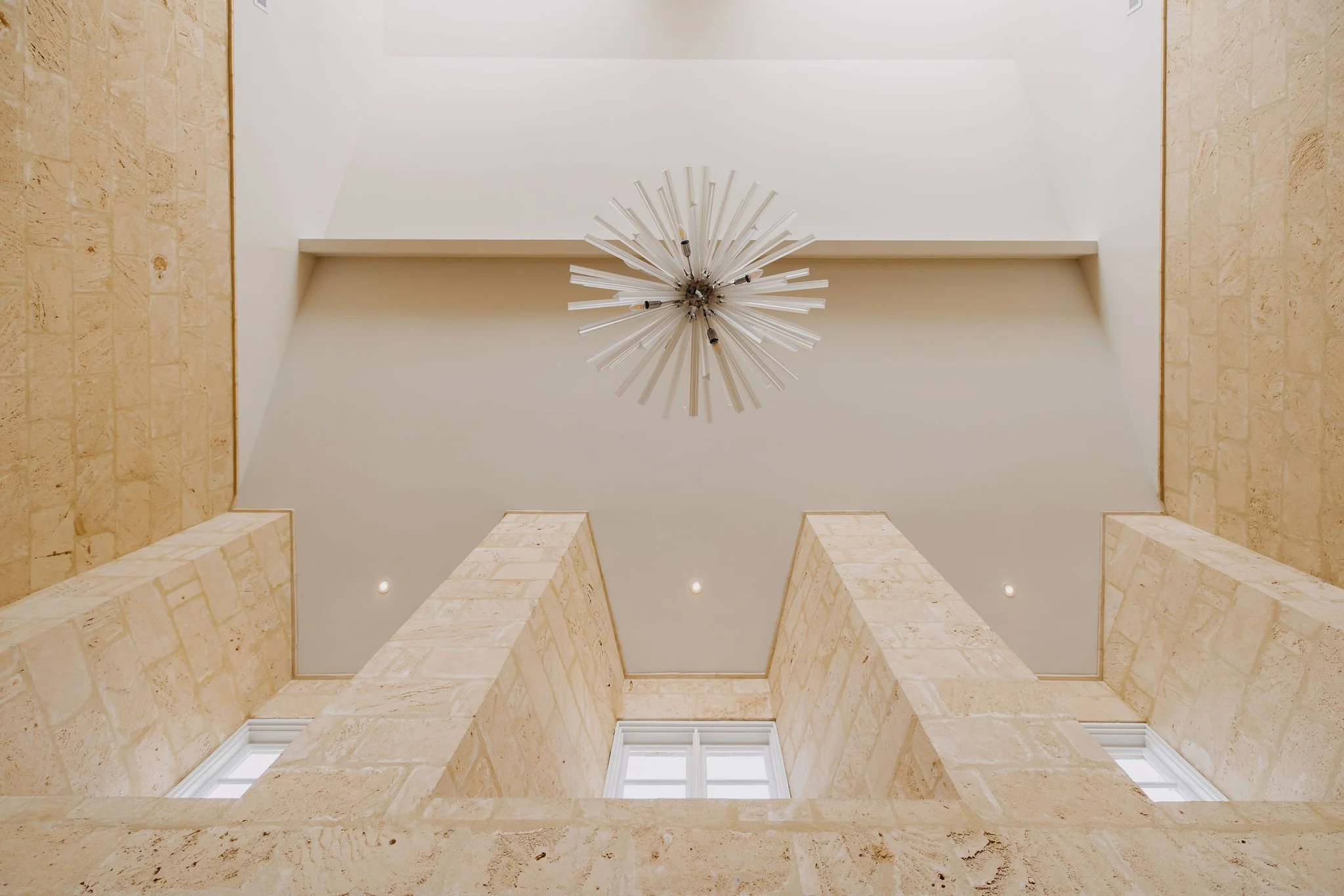
Architectural homes are often defined by what you can see. Clean lines, considered proportions, materials that feel deliberate. Spaces that respond to light, landscape and lifestyle in a way that feels resolved rather than assembled.
But what sets these homes apart is rarely visible. It sits in the complexity behind them.
Architect-designed homes are not built from templates. They are shaped by site, brief and vision, which means every decision carries more weight. Every detail requires resolution. And every stage of the build demands a higher level of coordination than a standard project home.
For clients, there is often an assumption that the process will simply follow the drawings. In reality, architectural construction is where design intent meets practical execution, and that intersection is where the real challenges, and opportunities, exist for both architect and builder.
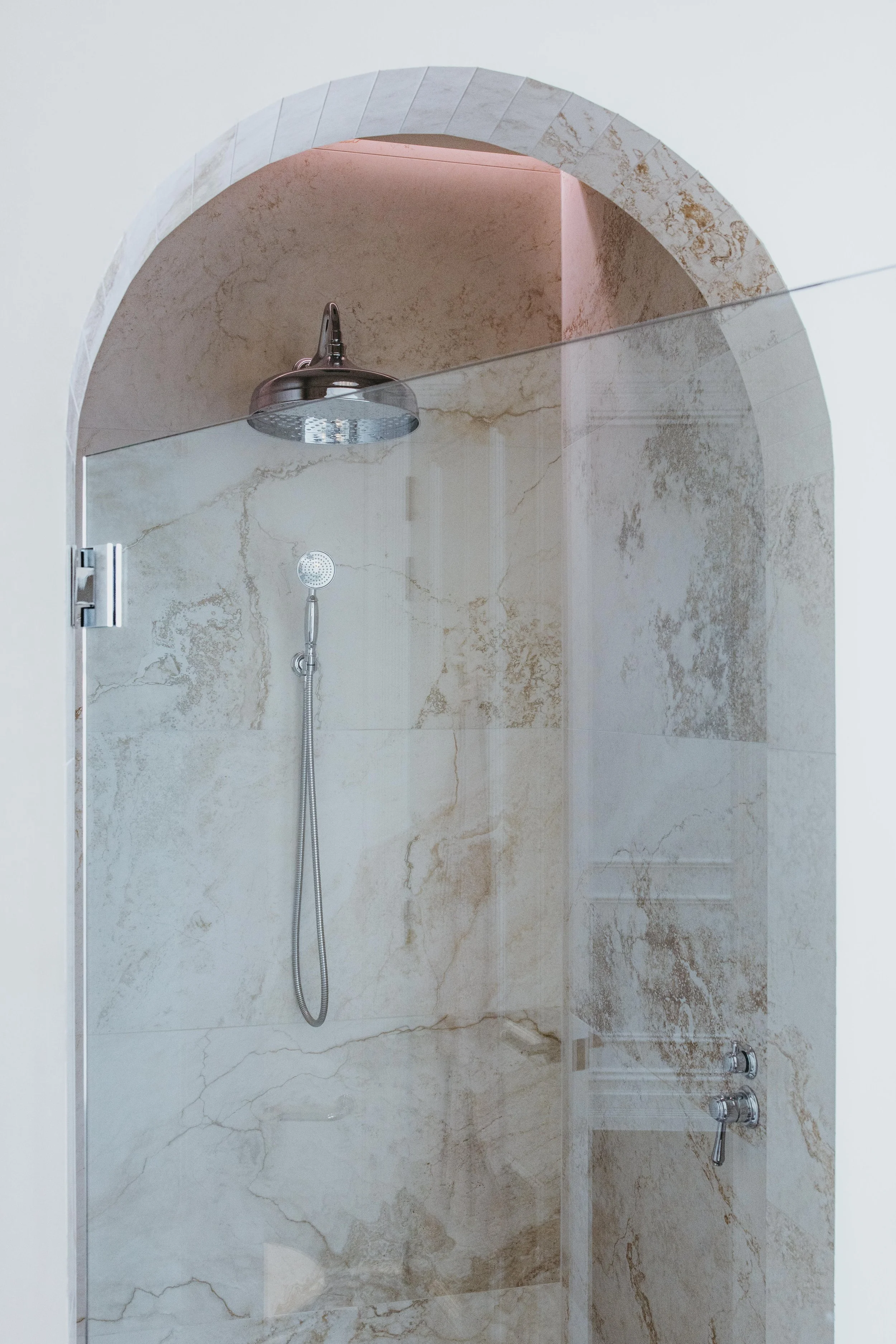
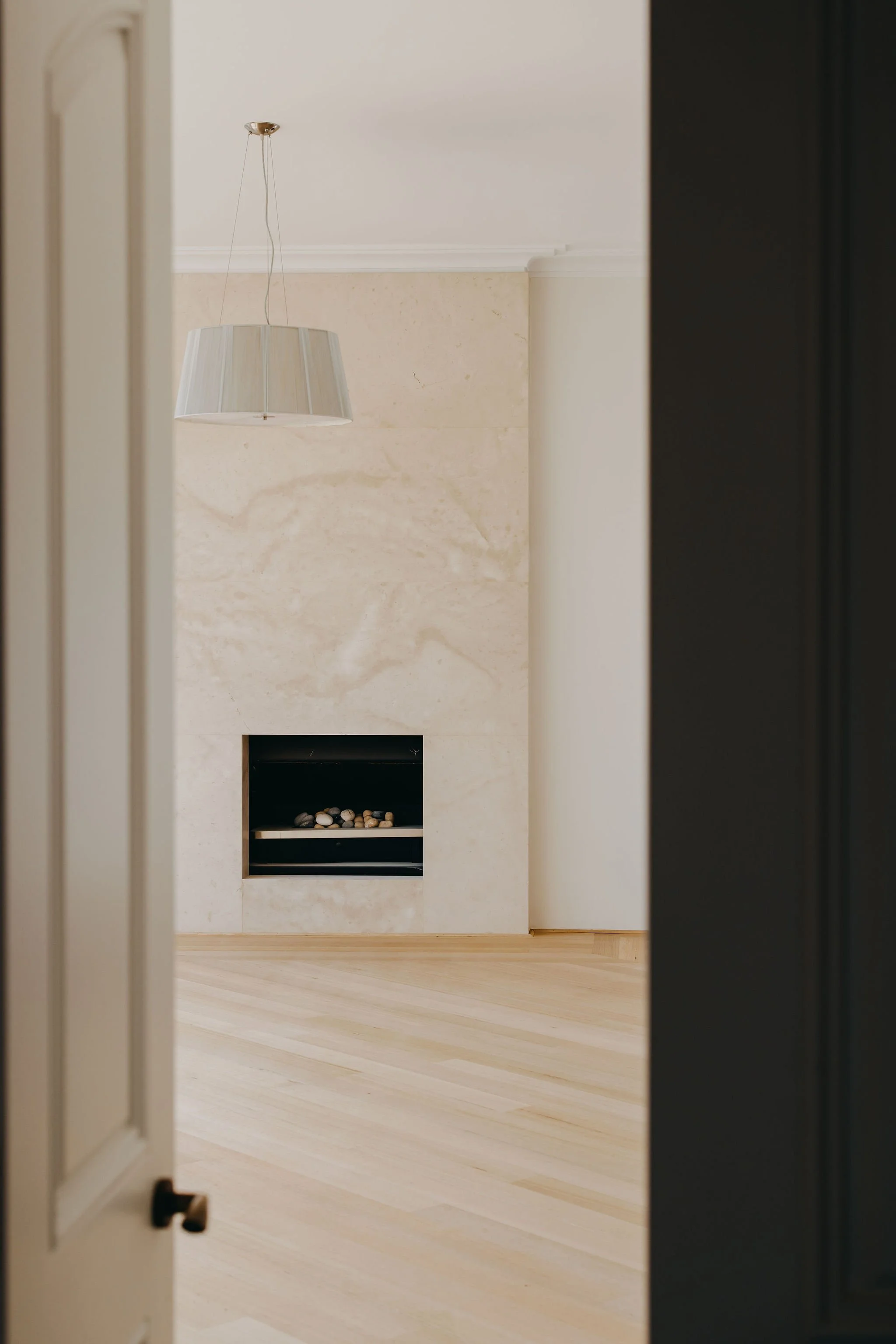
No Two Projects Are the Same
WHY CUSTOM DESIGN CHANGES THE RULES
Architectural homes do not follow a repeatable formula. Each project is:
site-specific, shaped by topography, orientation and outlook
design-led, with the architect's intent driving every detail
and often structurally unique, with custom elements that demand custom solutions
There are no default details to rely on. Even familiar materials may need to be approached differently depending on how they are used within the design.
For experienced architectural home builders in Perth, this is expected. But it does mean:
more decisions are made during construction
more coordination is required across trades
and more responsibility sits with the builder to protect the design intent
This is where the difference between standard construction and architectural construction becomes clear, and where the right builder pays for itself many times over.
The Builder–Architect Relationship
WHERE ALIGNMENT DEFINES THE OUTCOME
In architectural projects, the relationship between builder and architect is not a formality. It is foundational to the success of the home.
We regularly work alongside external architects across Perth, Sydney and beyond. Each brings a different design language, level of detail and way of working.
When that relationship is aligned, the process feels cohesive. Decisions are clear. The build progresses with confidence. When it is not, issues surface quickly.
Drawings cannot resolve everything. There will always be moments where interpretation, refinement or adjustment is required on site, and how those moments are handled defines the finished home.
Where challenges typically arise
details that are visually resolved but complex to execute
junctions between materials that require multiple trades to align precisely
structural requirements that intersect with architectural intent
late-stage changes that disrupt sequencing
Without strong collaboration, these moments lead to compromise.
What we've learned works
builder involvement early, not after documentation is complete
direct communication between architect, builder and client
clear understanding of where flexibility exists and where it does not
shared accountability for the outcome
The best projects are not driven by one party. They are shaped through alignment.
Integrated Services
WHY HAVING THE RIGHT TEAM ON SITE CHANGES EVERYTHING
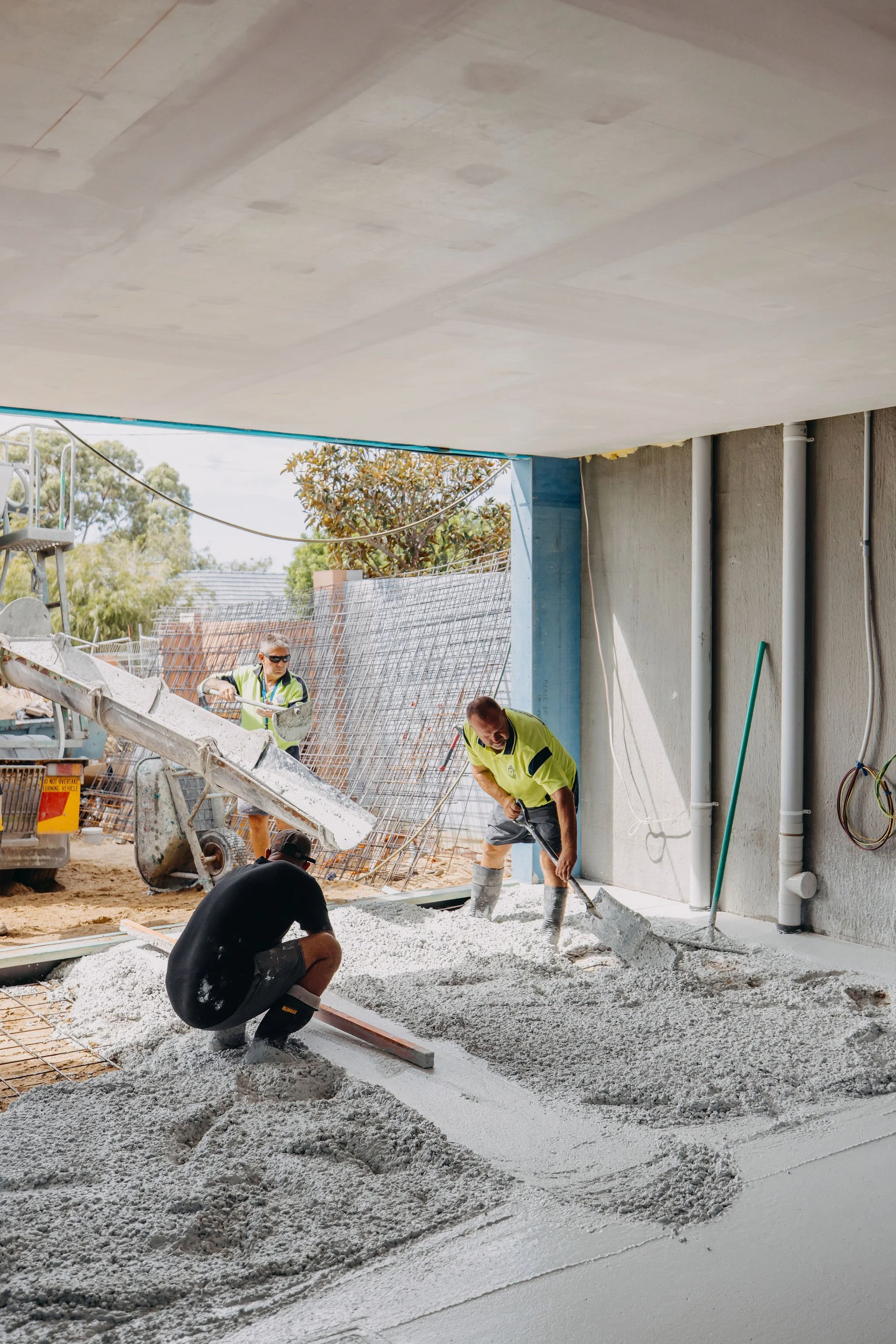
One of the biggest pressure points in architectural construction is coordination between trades. When trades operate independently, even well-documented designs can lose clarity during execution.
This is where Mayfair's integrated services model creates a measurable difference. Our in-house teams across:
carpentry
electrical
plumbing
and sewage
are embedded into the build process from the beginning. This allows us to:
resolve technical challenges earlier, before they become site issues
maintain consistency in execution across the home
reduce delays caused by miscommunication between contractors
and protect the design intent on site
Decisions are not passed between disconnected teams. They are made by people who understand the project as a whole.
→ Explore Mayfair's Integrated Services
Complex Site Conditions
WHEN THE SITE DEMANDS MORE THAN THE DRAWINGS
Architectural homes are often designed to respond directly to their site. Sloping blocks, coastal edges, tight urban lots or environmentally sensitive land all introduce complexity that cannot be standardised.
Slope, structure and sequencing
Sloping sites often require:
retaining structures engineered to local conditions
split-level construction that follows the natural fall
engineered footings or suspended slabs
detailed drainage planning to manage water across the site
These elements influence both cost and construction sequencing from the outset. A design that works with the land can elevate the home. One that resists it often creates unnecessary pressure during construction.
A real example: North Bondi
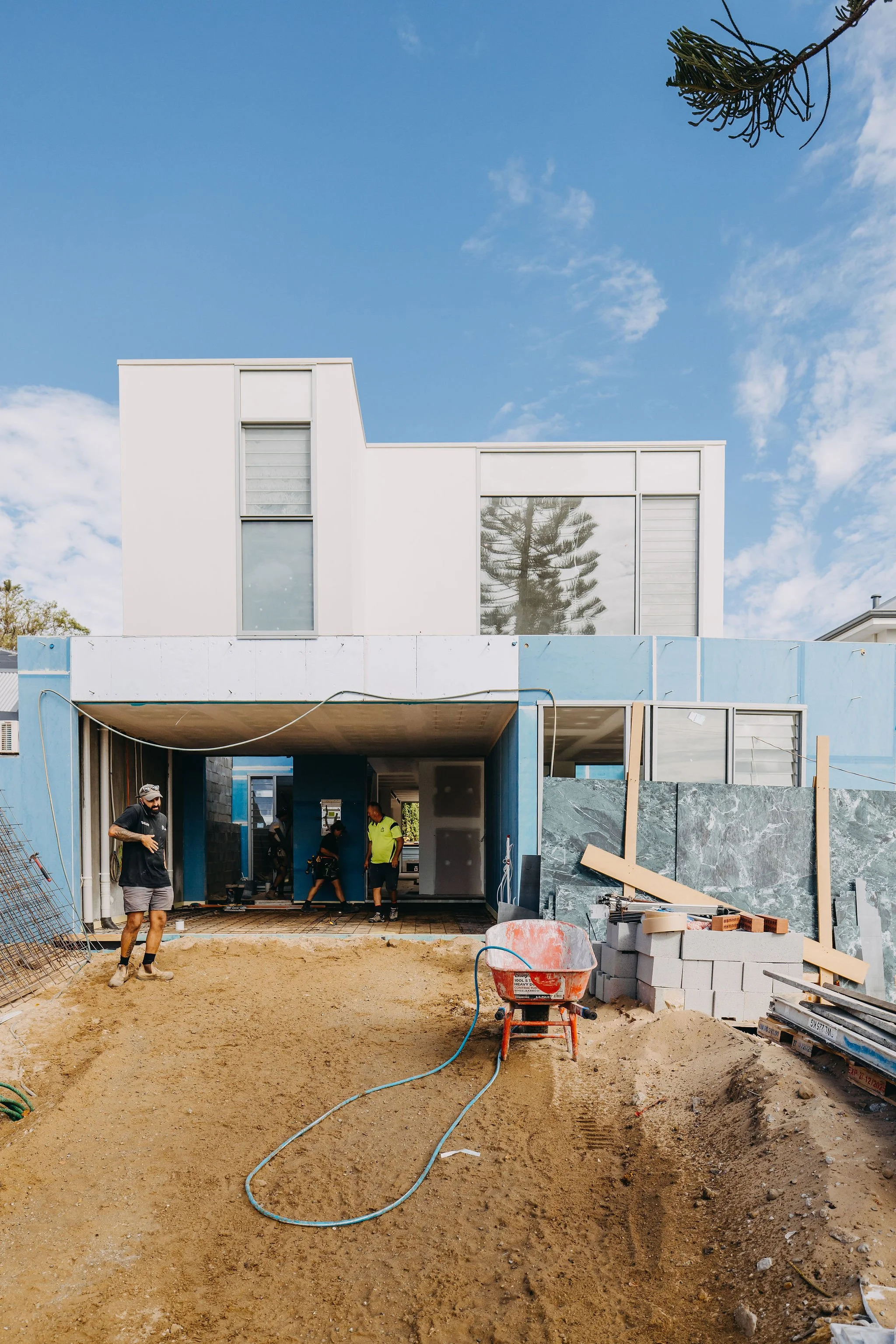
On our North Bondi project, this reality became clear during early site works. What initially appeared manageable required a deeper level of intervention once conditions were fully understood.
Retaining the earth properly meant:
additional structural work beyond the original scope
more time on site to resolve the engineering correctly
and a complete reassessment of the build sequence
Cutting corners would have allowed the project to continue on schedule. Instead, the decision was made to pause.
This added weeks to the program. And it was still the right decision, because the alternative was a compromised outcome that would only surface later.
This is what rarely shows in finished projects. The judgement. The restraint. The willingness to prioritise long-term performance over short-term momentum.
Coastal Builds
DESIGNING FOR EXPOSURE, NOT JUST VIEWS
Coastal sites are some of the most desirable for architect-designed homes in Western Australia. They offer light, openness and connection to landscape that is difficult to replicate elsewhere.
They also introduce conditions that demand a more rigorous approach from coastal home builders.
Salt and material performance
Salt accelerates corrosion. Materials that perform well inland may deteriorate quickly in coastal environments without the right specification.
This affects:
external metals, including fixings and brackets
structural components in exposed areas
coatings and finishes on cladding and joinery
Material selection becomes a performance decision, not just an aesthetic one.
Wind, weather and envelope design
Coastal homes are exposed to:
high winds that test glazing and connections
driven rain that challenges waterproofing details
fluctuating conditions that create thermal movement
This impacts:
glazing systems and their performance ratings
waterproofing at every transition
structural detailing across the building envelope
and overall building envelope performance over the life of the home
These elements need to be resolved early and executed precisely.
Maintenance as part of the equation
Even with the right approach, coastal homes require more ongoing care. The goal is not to eliminate maintenance, but to design for it.
To ensure:
materials age predictably
access for upkeep is considered during design
and the home continues to perform without excessive intervention
Precision in Execution
WHERE DESIGN IS WON OR LOST
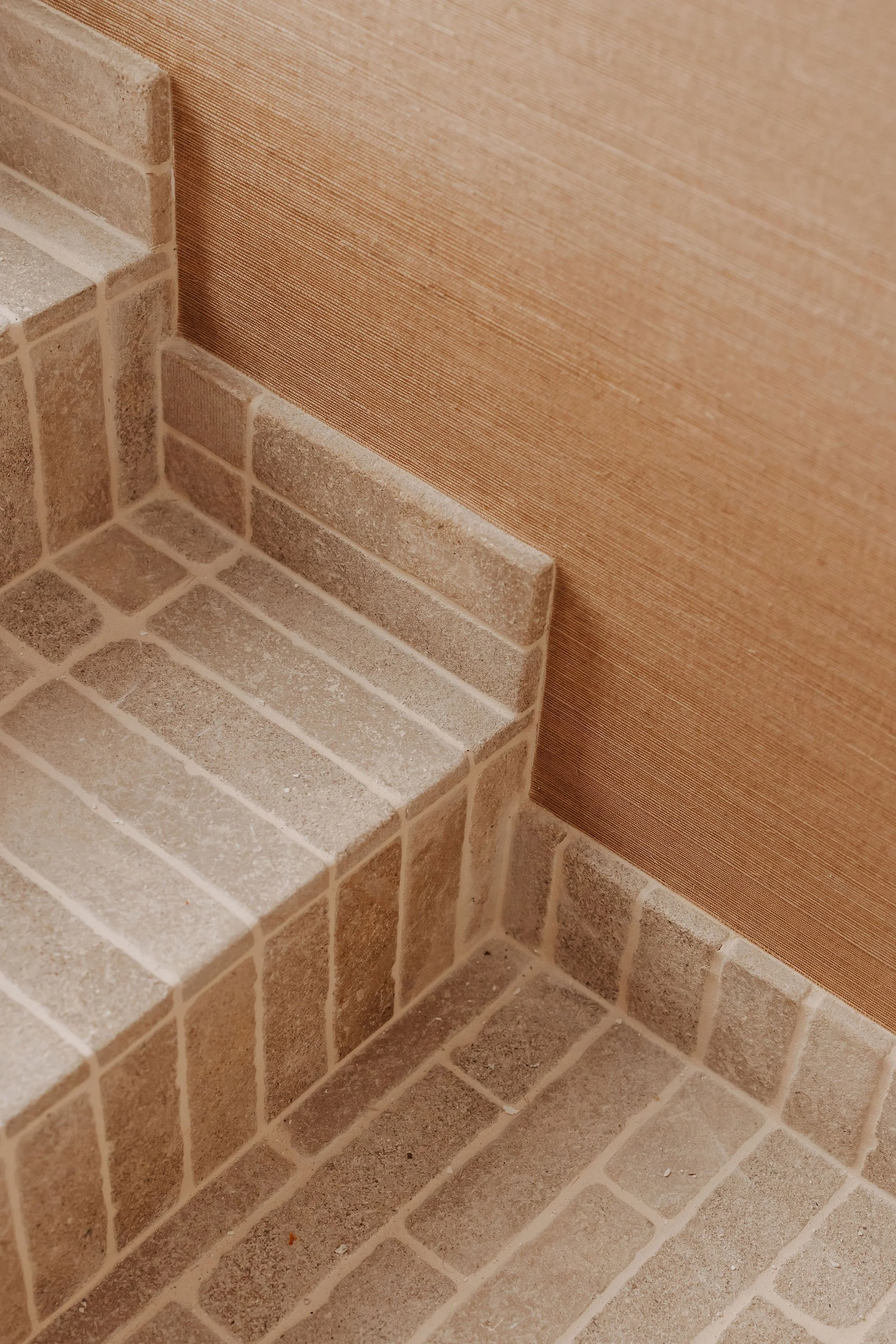
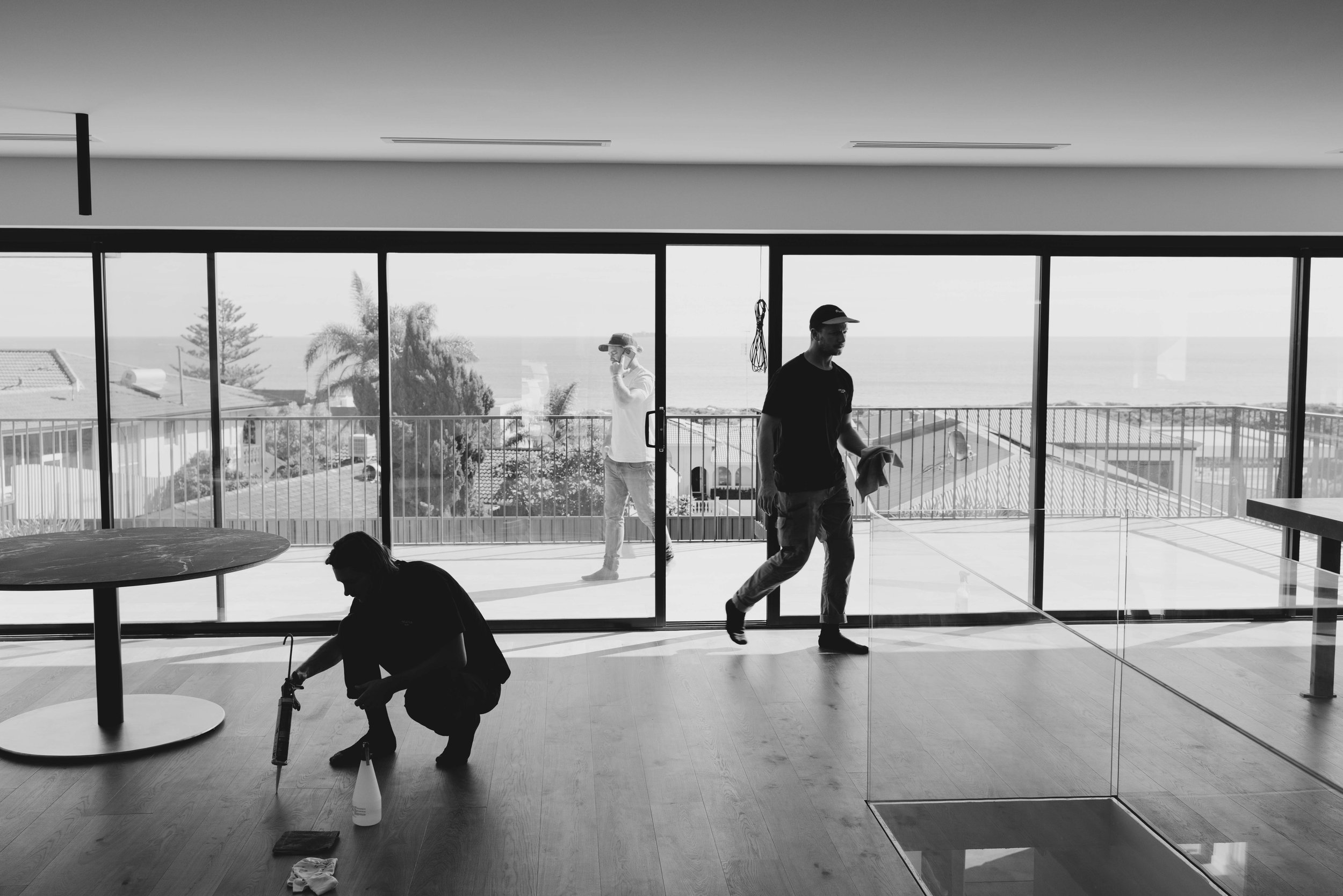
Architectural homes rely heavily on detail. Alignment, proportion, and material transitions all contribute to the clarity of the final outcome. Small inconsistencies that might go unnoticed in standard builds become highly visible here.
Where execution matters most
flush junctions between materials
tight tolerances in joinery and structure
clean integration of services into the design
consistency across different trades
This level of precision requires:
experienced trades who understand architectural standards
active site supervision through every stage
and clear accountability for quality
Without it, the design begins to lose its intent.
Managing Complexity Without Losing Control
The challenge in architectural construction is not complexity itself. It is managing that complexity without letting it affect the experience of the build.
For clients, the process should still feel:
structured, with a clear sense of what comes next
transparent, with information shared as it changes
and controlled, even when the build behind the scenes is highly detailed
What supports this
clear planning from the outset
strong internal coordination between trades
consistent communication throughout the build
early identification of risks and constraints
This is where experience, and the right structure behind the team, makes a measurable difference.
What This Means for Your Build
Architectural homes are not difficult for the sake of it. They are precise. They ask more questions. They require more decisions. And they depend on a level of coordination that standard builds simply don't.
The difference is not just in how they look when finished. It is in how they are resolved along the way. The moments where:
a detail is reconsidered instead of pushed through
a timeline is adjusted to protect the outcome
a material is upgraded because it needs to perform, not just appear
These decisions rarely show up in photos. But they define the quality of the home long after handover.
At Mayfair, this is where we focus our attention. Working closely with architects. Keeping trades aligned through our integrated teams. And making calls based on what the home needs to perform properly over time.
As architectural home builders working across Perth and coastal environments, we understand the level of coordination these projects demand, and what it takes to deliver them without compromise.
Because in architectural construction, the final result is only as strong as the decisions made when it would have been easier not to make them. Get in touch to talk through your project.