How to Plan a Commercial Fitout in Perth: A Builder’s Guide for Retail, Hospitality and Workplace Projects
FROM BRIEF TO HANDOVER: HOW HIGH-PERFORMING COMMERCIAL FITOUTS ARE DELIVERED
June 18, 2026
Most commercial fitouts in Perth do not fail at construction. They fail at planning. The wrong fitout sequence, an overlooked services constraint, a brand brief that never made it through to the trades, or a launch date that was always going to slip. These are the things that turn a confident project into a stressful one, and they all sit upstream of the first wall coming down.
We have been building commercial fitouts across Perth for years. The projects that finish on time, on budget and at the design quality the architect drew are the ones where the planning was thorough before construction started. This guide walks through how we approach commercial fitout planning at Mayfair Building Co, why each phase matters, and the sector-specific considerations that distinguish a retail fitout from a hospitality fitout from a workplace fitout.
It is written for retail operators, hospitality groups, corporate clients, property managers and architects who are at the early stage of a Perth commercial fitout and want to know what good planning actually looks like.
Why Planning Matters More on Commercial Fitouts Than Most Operators Realise
A commercial fitout in Perth is a layered project. It carries a fixed opening date, a fixed budget, a brand brief from a designer or architect, a building services scope that has to comply with state regulations, a base building landlord with their own conditions, trades that need to be sequenced into a programme, and an operator who is already paying rent on a space that is not yet making money.
That is more moving parts than most residential builds carry. Each one introduces cost and time risk. Good planning is the only thing that brings those risks down to a manageable level. Underspending on planning to save a fortnight at the front end almost always costs three or four weeks at the back end, when the problems show up on site.
Phase 1: Brief and Scope
Before you talk to a builder, the brief needs to answer five questions clearly:
What is the space going to be used for, and who is the target audience? A boutique flagship, a high-volume café and a corporate workplace are three different builds even if they share a postcode.
What is the operational throughput? Covers per day, customers per hour, staff numbers, peak load. These numbers drive everything from kitchen sizing to ventilation to back-of-house allocation.
What is the brand direction? Architect or interior designer appointed, mood boards, hero materials, brand visual standards. The clearer this is, the faster the build moves.
What is the budget envelope, and what is locked in versus flexible? A clear total budget split between structure, services, finishes, joinery and equipment lets the builder give you a real proposal, not a guess.
What is the opening date and what is driving it? Lease commencement, peak trading season, marketing launch, parent company milestone. The driver matters because it tells the builder which dates are negotiable and which are not.
A commercial fitout in Perth where the operator has clarity on these five points usually runs twice as fast through the early phases as one where the brief is still being figured out.
Phase 2: Site Assessment and Feasibility
Every commercial fitout site has constraints that are not visible on a floor plan. We send a builder, and ideally a services engineer, to site before quoting. What looks like a straightforward shopfit on paper can become a complex services job once the ceiling comes down.
What a good site assessment covers:
Existing services capacity and access. Water, gas, electrical, data, ventilation. What is in the slab? What is in the ceiling? What is the landlord providing?
Structural constraints. Load-bearing walls, slab penetrations allowed, ceiling cavity depth, floor levels and falls.
Landlord scope. What is the landlord delivering as part of the base building, and what is the tenant responsible for? This single document drives a third of fitout cost variance.
Compliance scope. BCA classification, DDA accessibility, fire compliance, food safety, liquor licensing if applicable. These get expensive when they show up late.
Programme implications. After-hours work restrictions, dust and noise limitations, parking and loading, neighbouring tenant impacts. Especially relevant for fitouts inside operating shopping centres.
Phase 3: Design Development
The design phase is where a fitout’s quality is decided. Most disputes between builders and architects happen because design decisions get pushed into construction. Our approach is to be in the room early.
What design development should include:
Buildability review of architectural drawings before they are tendered.
Materials and finishes confirmation against budget, with substitutions flagged early.
Joinery details locked down before procurement, not during it.
Services coordination across mechanical, electrical and hydraulic before any walls go up.
Programme draft tied to long-lead items, including custom joinery, imported stone, statement lighting and specialty equipment.
A commercial fitout where the design is fully resolved before construction begins runs around 20 percent faster and with significantly fewer variations than one where design decisions are still being made on site.
Phase 4: Cost Certainty and Contract
By this stage you have a designed scope and an assessed site. The proposal becomes meaningful rather than speculative.
A Mayfair commercial fitout proposal arrives inside 14 days, with a comprehensive breakdown of all costs, materials and rates for full transparency. For larger commercial fitouts in Perth, the proposal is supported by a third-party Quantity Surveyor Report to validate cost accuracy. Works then proceed under a Cost Plus HIA Contract. More on how we structure cost and contract sits in our about page.
What an operator should look for at this stage:
Itemised costs across structure, services, finishes, joinery and equipment connections.
Long-lead items flagged with procurement risk and timing.
Contingency allowance specified clearly, not buried in line items.
Programme with critical path identified, not just a target end date.
Payment schedule tied to milestones rather than calendar dates.
Phase 5: Construction and Stakeholder Management
The construction phase is where the planning pays off. Or where the absence of planning shows up.
A well-run commercial fitout in Perth runs on:
Weekly Procore updates on every major fitout. Full transparency through the build, with no surprises at handover.
A clear single point of contact between builder and operator. Decisions get made faster when the chain of communication is short.
Variations documented and approved before work proceeds, not after. This is the single biggest source of disputes on commercial fitouts.
Site safety briefings for any tenant or operator team members entering the build. Commercial sites have hazards that residential clients are not used to.
Pre-handover walkthrough before practical completion is called, so any final items are resolved before the operator takes possession.
Phase 6: Handover and Opening
Practical completion does not mean ready to trade. There is usually a punch list, an operator commissioning period, staff training, soft launch and then formal opening.
We build the handover phase into the programme so the operator has the space at least a week before opening, not on opening morning. That buffer makes the difference between a soft launch that works and a launch day that runs on adrenaline.
Sector-Specific Considerations
Three commercial fitout sectors, three different rule sets. The phases above apply across all of them, but the details shift significantly between retail, hospitality and workplace projects.
Retail and Shop Fitouts in Perth
Retail fitouts in Perth come down to the storefront read and the back-of-house support. The customer journey from threshold to checkout is the single most important design decision. We work closely with retail architects to make sure shopfront, signage, lighting, joinery and finishes all deliver the brand moment the operator is paying for. For a sense of what this looks like at scale, our Boatshed Market fitout in Cottesloe is a working example of premium food retail built at scale.
Hospitality Fitouts
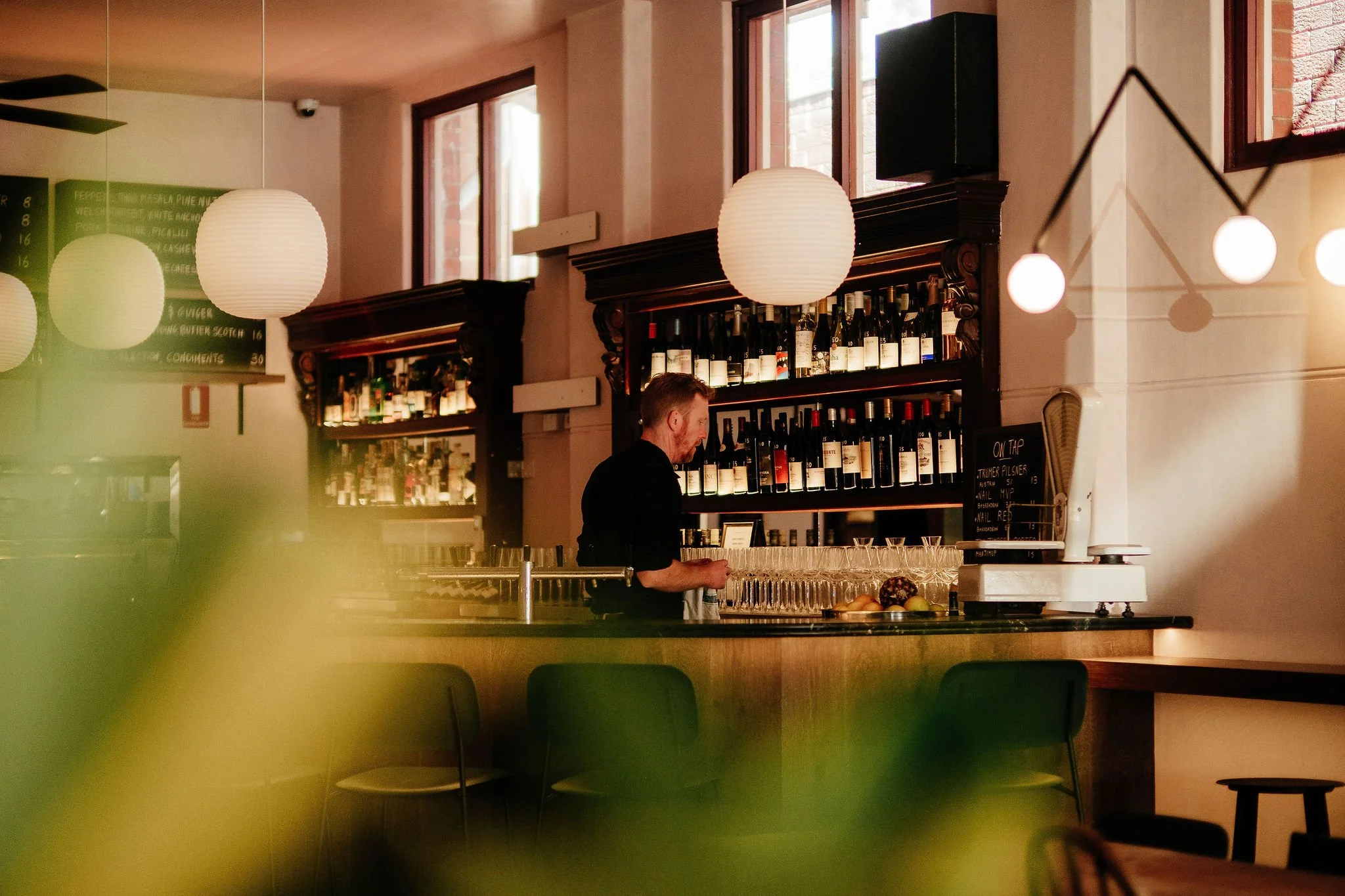
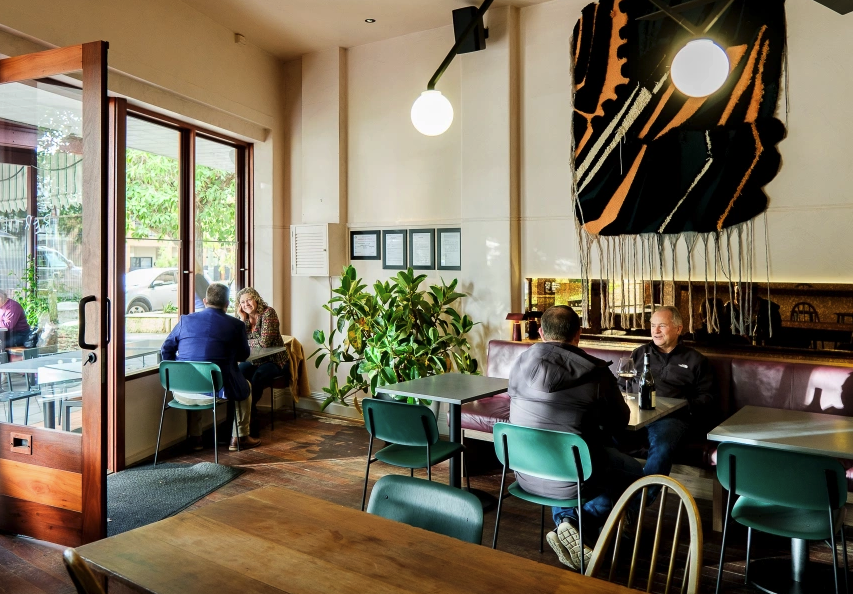
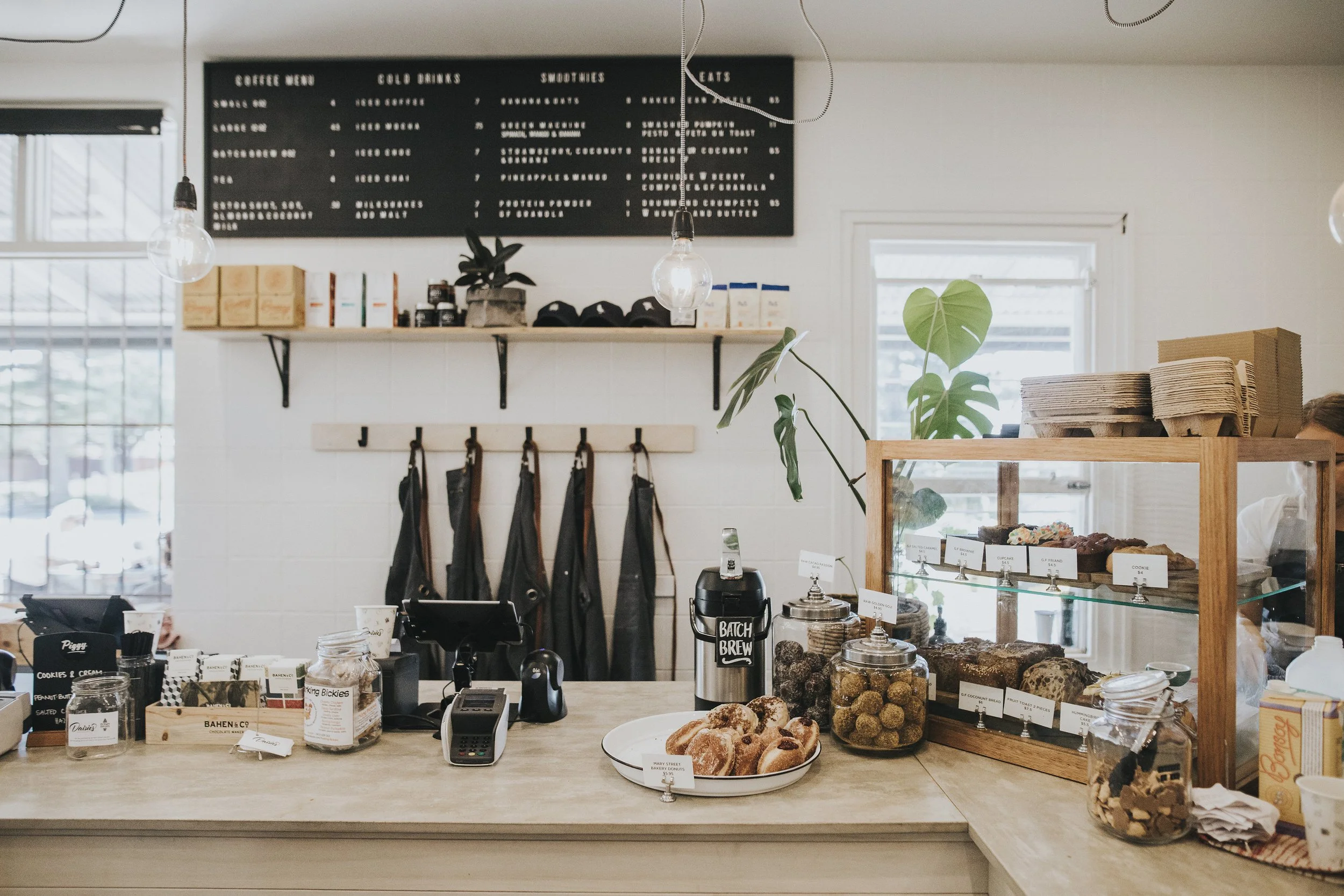
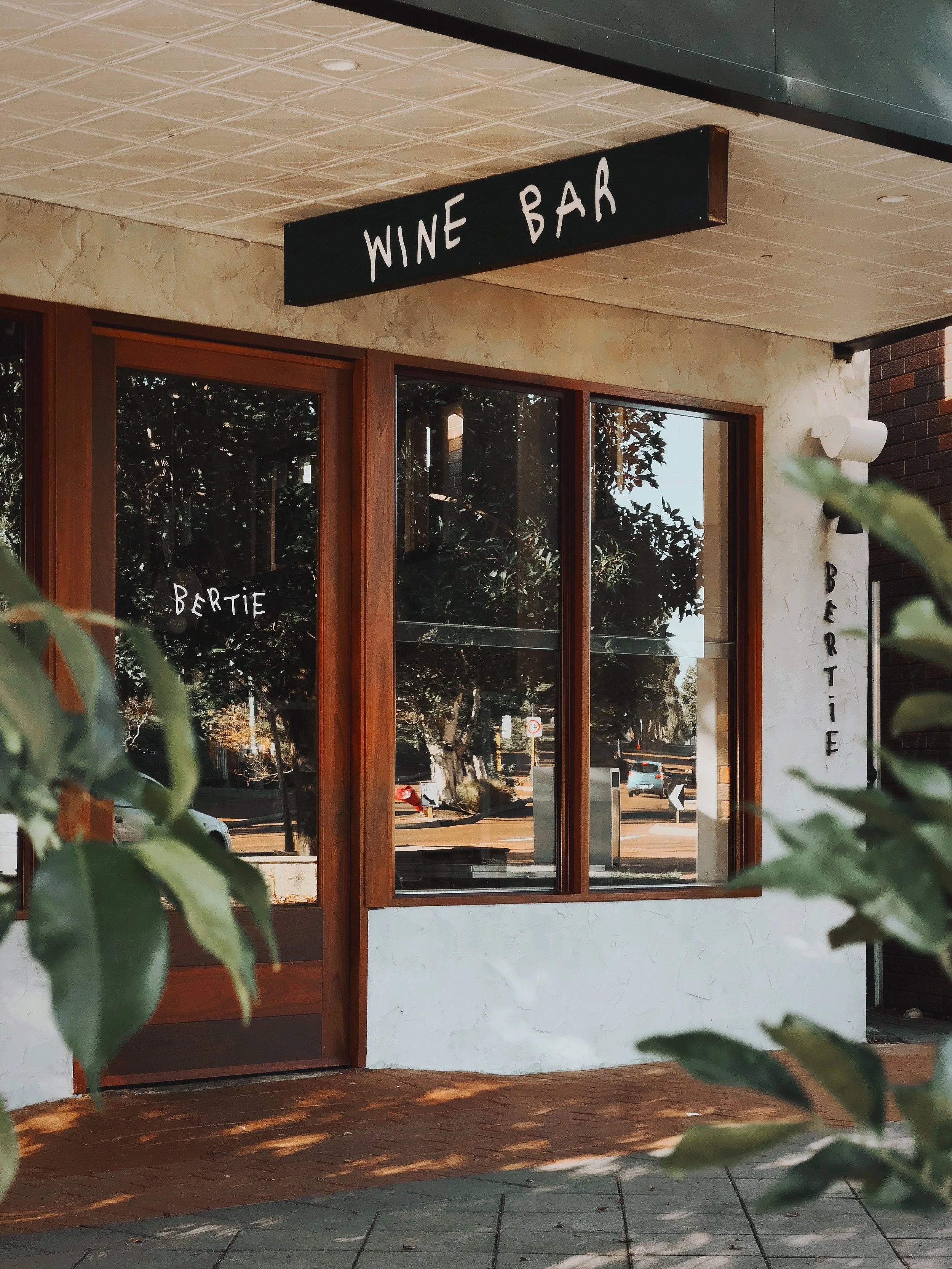
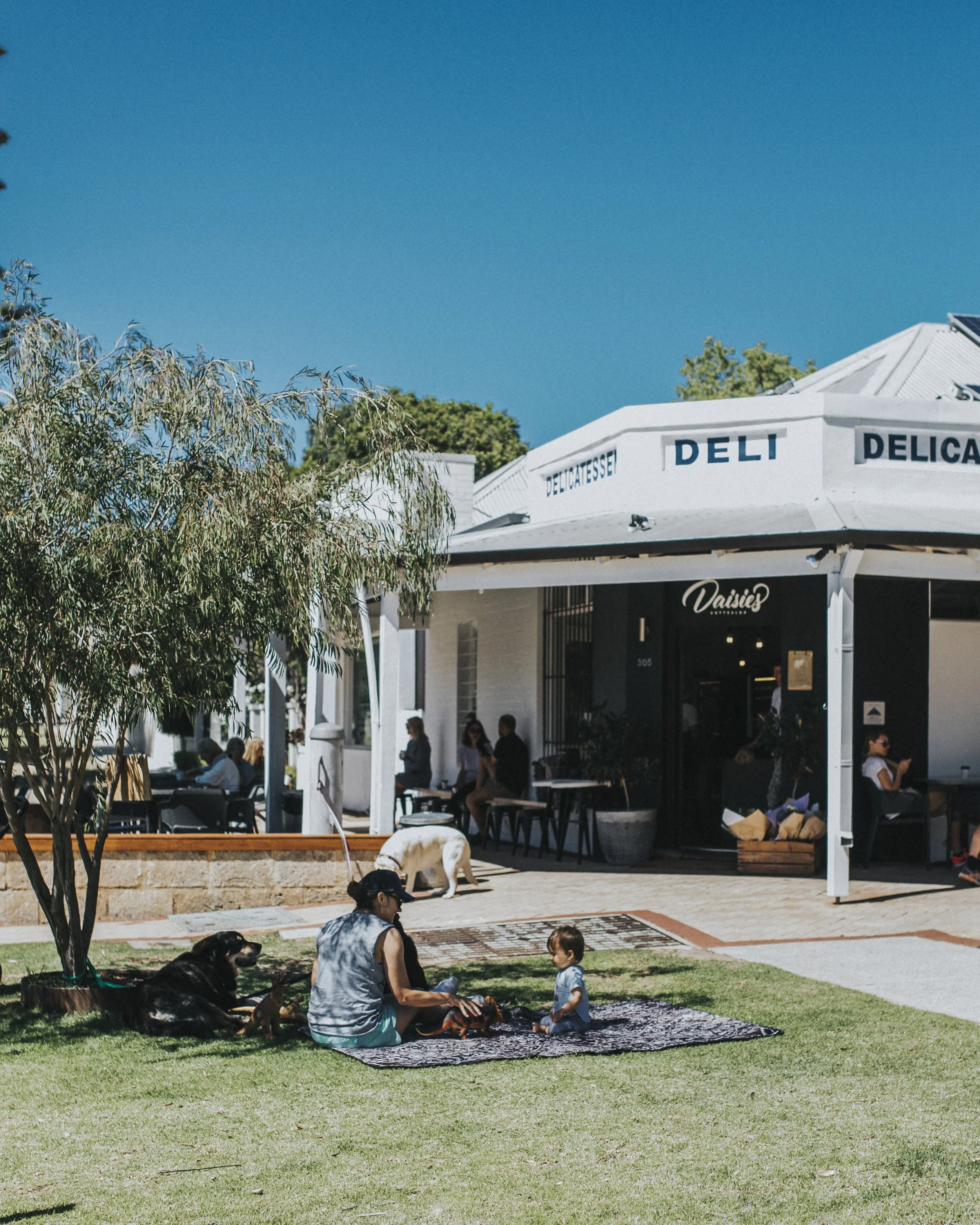
Hospitality has the tightest tolerances of any commercial fitout sector. Kitchen and bar joinery to millimetre tolerances, services running through floors, acoustic and ventilation systems integrated into the architecture, and a launch date that does not move. Because the launch drives everything, long-lead items have to be ordered before design is fully signed off, which is uncomfortable for operators new to the sector. Our hospitality portfolio includes Bertie’s Bar, Daisie’s Cafe and On The Border Mexican Restaurant, each with its own programme constraints and finish requirements.
Workplace and Office Fitouts
Workplace fitouts in Perth have to consider acoustics, lighting, meeting room privacy, AV integration, cabling pathways and the way teams actually use the space. The brand experience here is felt by staff and visiting clients rather than customers, but the design quality matters just as much. We delivered the Hall & Prior Head Office in Perth, integrating considered corporate function with the finish quality of a premium residential build.
Common Planning Mistakes We See on Commercial Fitouts
After a few years of running these projects, the same planning mistakes show up across sectors. Worth flagging early because all of them are avoidable:
Choosing the builder before the architect, or before the lease is signed. Sequencing matters. The architect should set the design direction, the lease should lock the site, then the builder gets involved.
Underestimating long-lead items. Custom joinery, imported stone, statement lighting and specialty kitchen equipment routinely run 8 to 12 weeks. If you find out about these in week 2 of construction, the programme is already in trouble.
Squeezing the design and contingency budget. On the assumption that savings will appear during construction. They rarely do. The cost shows up as a compromised finish, a forced substitution, or a late variation.
No clear single point of contact between the operator team and the build team. Without it, decisions get made twice, contradicted, or not at all.
Trying to operate the space during late-stage finishing work. It almost always ends in damage to a finished surface and a stressful handover.
Building to design intent rather than to operational reality. A beautiful space that does not function for its operator is a problem you live with for the life of the lease.
Working with Mayfair Building Co
If you are planning a commercial fitout in Perth, whether retail, hospitality, workplace or mixed-use, the right time to involve a builder is earlier than most operators think. We work with operators, architects, designers and project managers to deliver fitouts that hold their design intent for decades.
To see how we approach commercial work, browse our commercial fitouts service page or view the recent work in our commercial projects portfolio. For a sense of how we work across all sectors, our capabilities page sets out the full picture.
For an initial consultation on a Perth commercial fitout, contact our team. For major commercial projects, we respond inside 14 days with a comprehensive, obligation-free proposal.