Your Countertop Guide
A DESIGN-FORWARD LOOK AT CHOOSING THE RIGHT SURFACE FOR YOUR HOME / GUIDEBOOK
December 8 2025
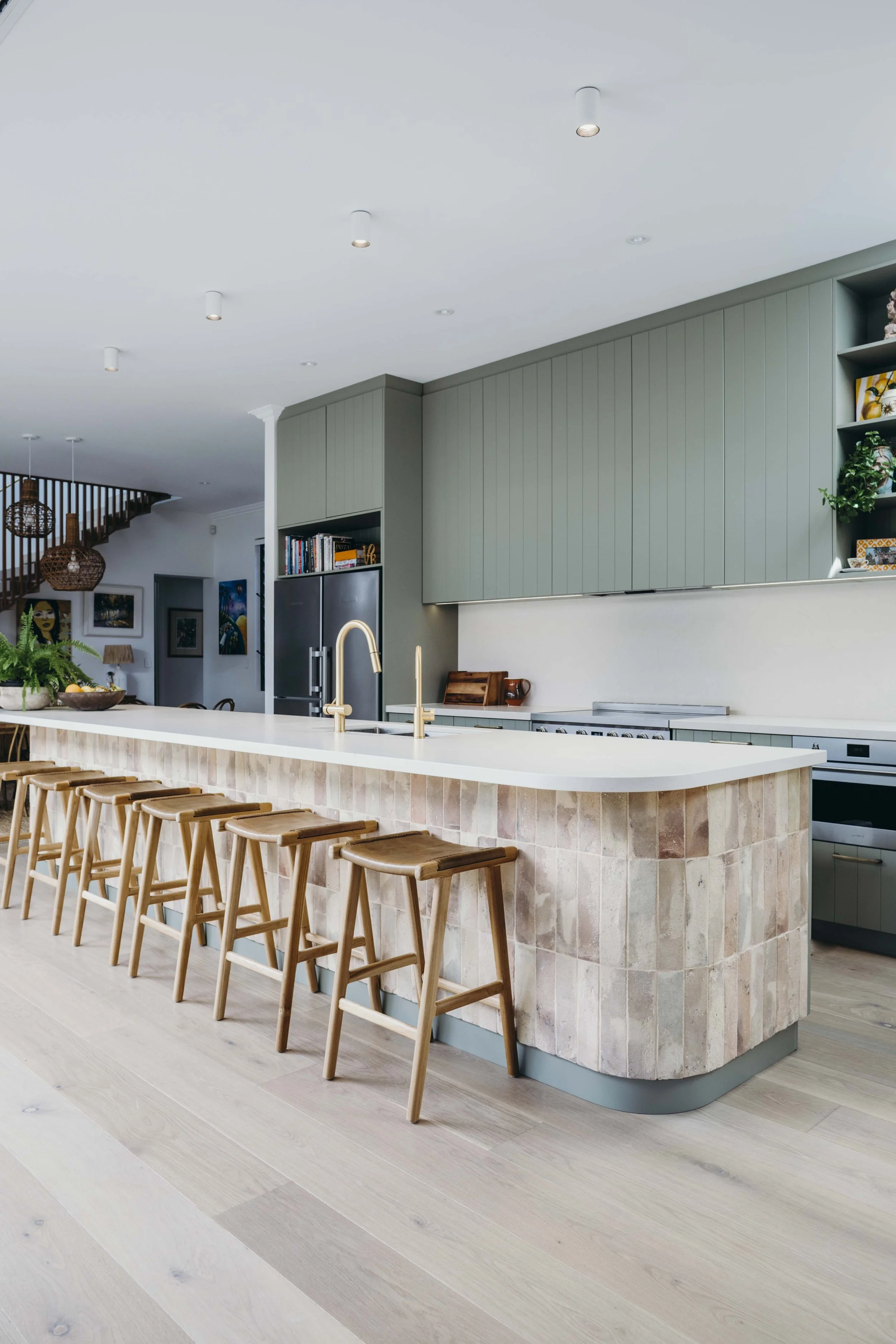
Countertops do more than finish a kitchen or bathroom. They set the tone for how the room feels, how it works, and how it lives over time. Whether you are renovating or starting from scratch, choosing the right benchtop is one of the most defining calls you will make.
This guide takes you deeper than the quick social version. Think of it as a practical design companion, with enough detail to help you make confident choices without getting lost in material overload.
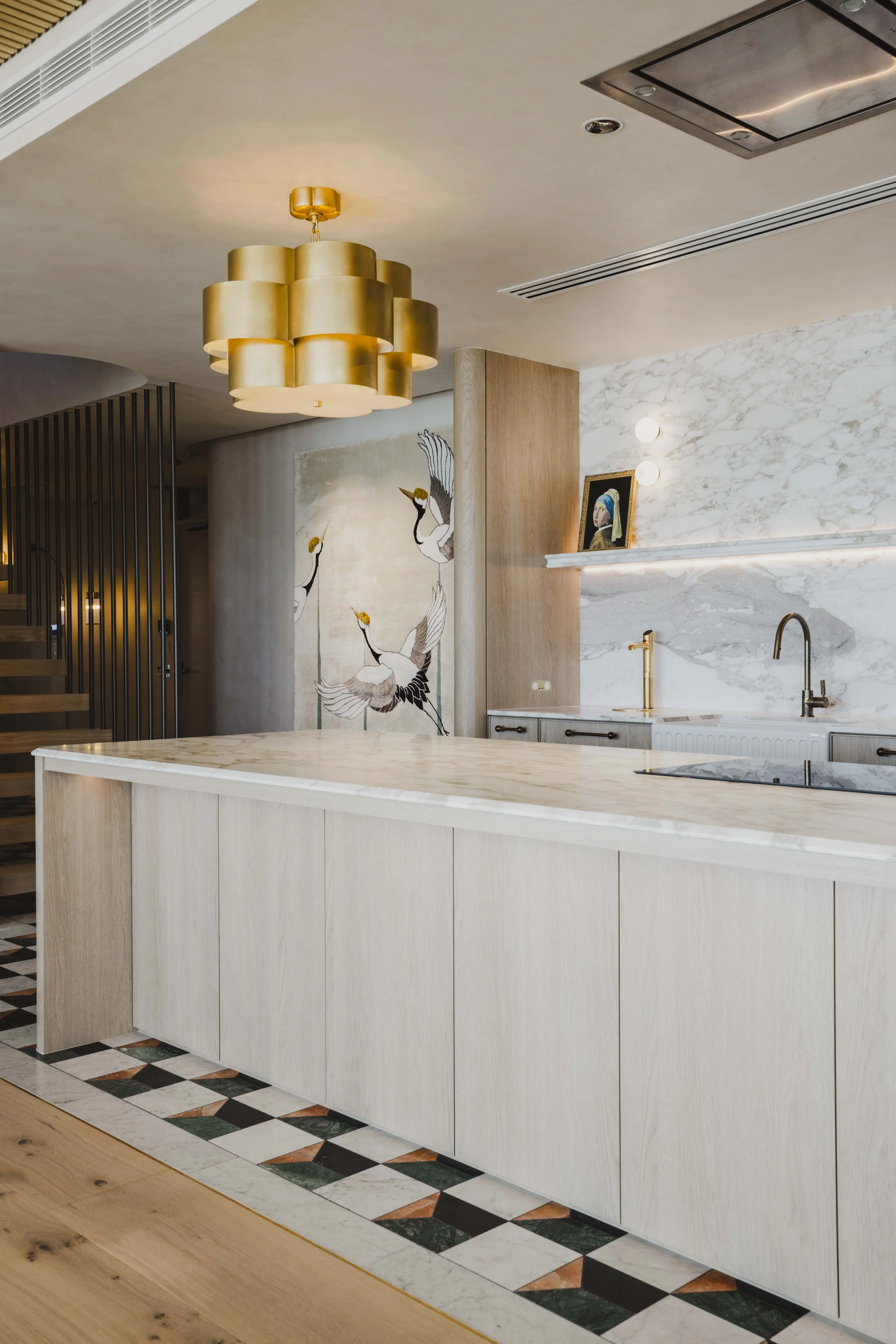
Tone, texture and the feeling of the room
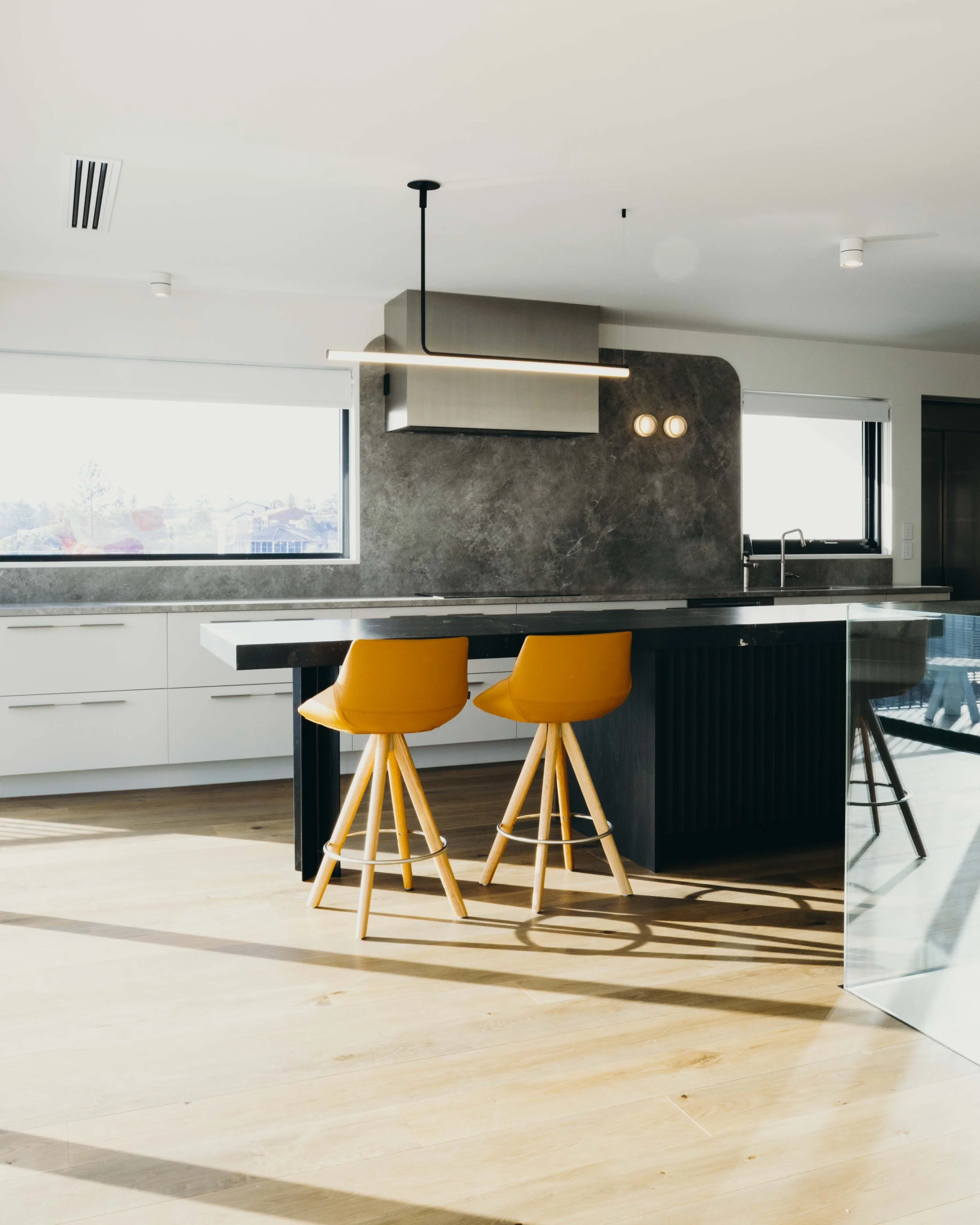
The first impression of a kitchen often comes down to the surface that catches the light. Countertops steer the entire atmosphere, so tone and texture should be chosen with intention.
Lighter surfaces create a sense of openness, especially when paired with natural light or pale cabinetry. Deeper tones offer a grounding presence and suit homes with a softer, more intimate palette.
Texture changes the personality again. A polished finish feels crisp and clean, bouncing light around like glass. A matte or honed finish is more forgiving and carries a quiet, understated elegance.
If you love a kitchen that feels gentle on the eyes, consider a surface with subtle movement instead of dramatic veining. It delivers interest without overwhelming the room.
Understanding the personality of each material
Every countertop material has a temperament. Some age gracefully. Some stay flawless with almost no effort. Some want to be admired. Others want to be used.
Here is a clearer, expanded look at how they behave in real homes:
Natural stone
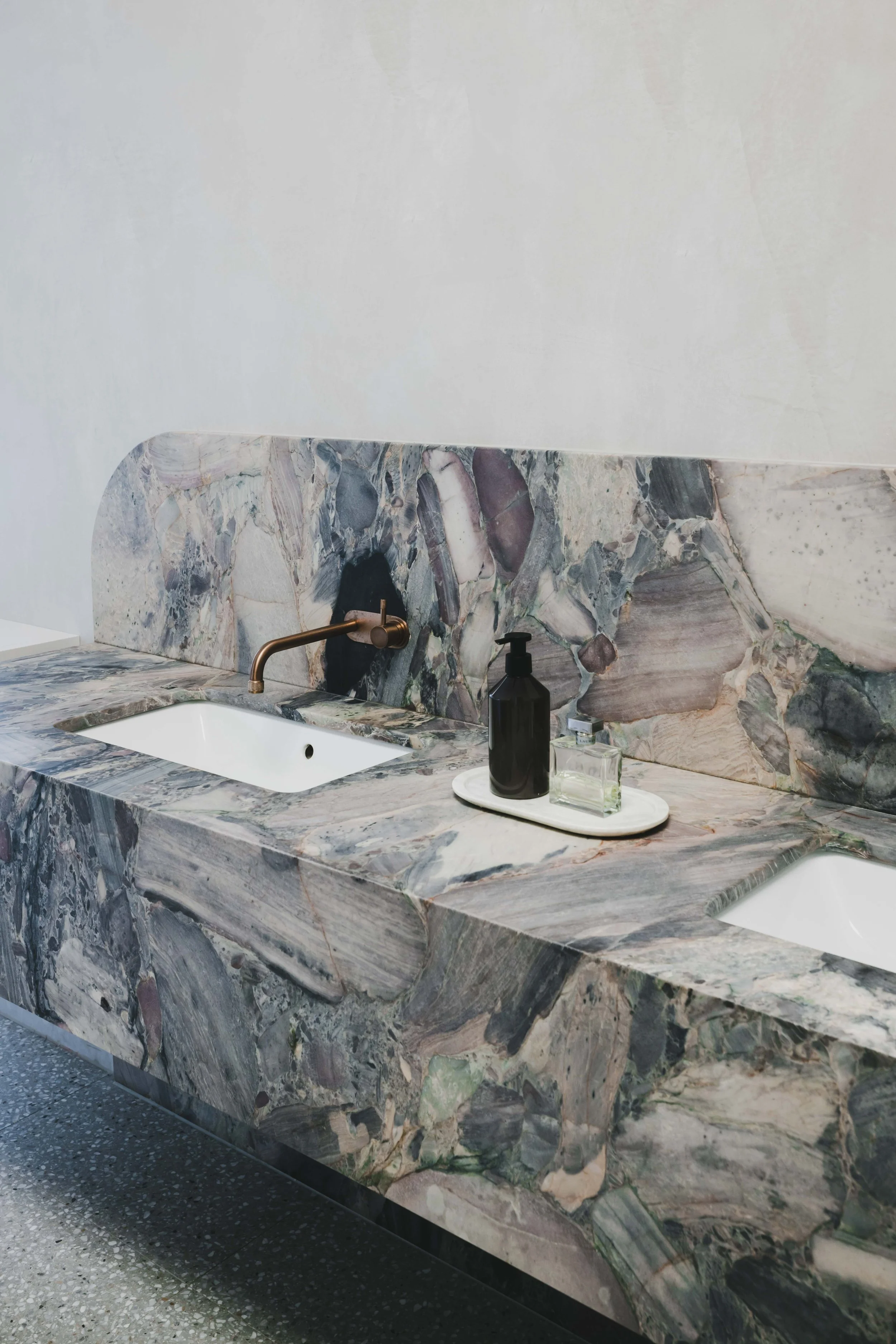
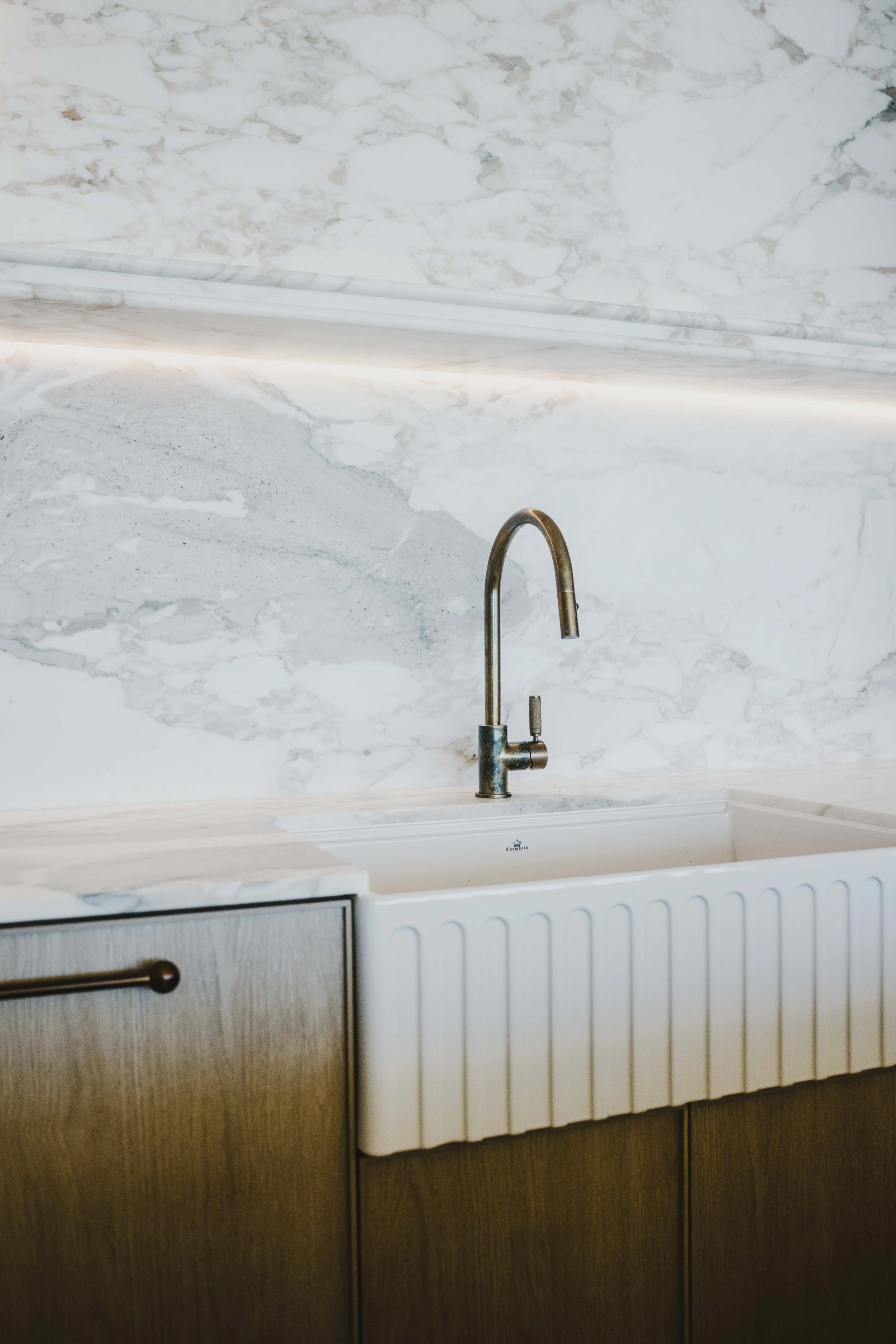
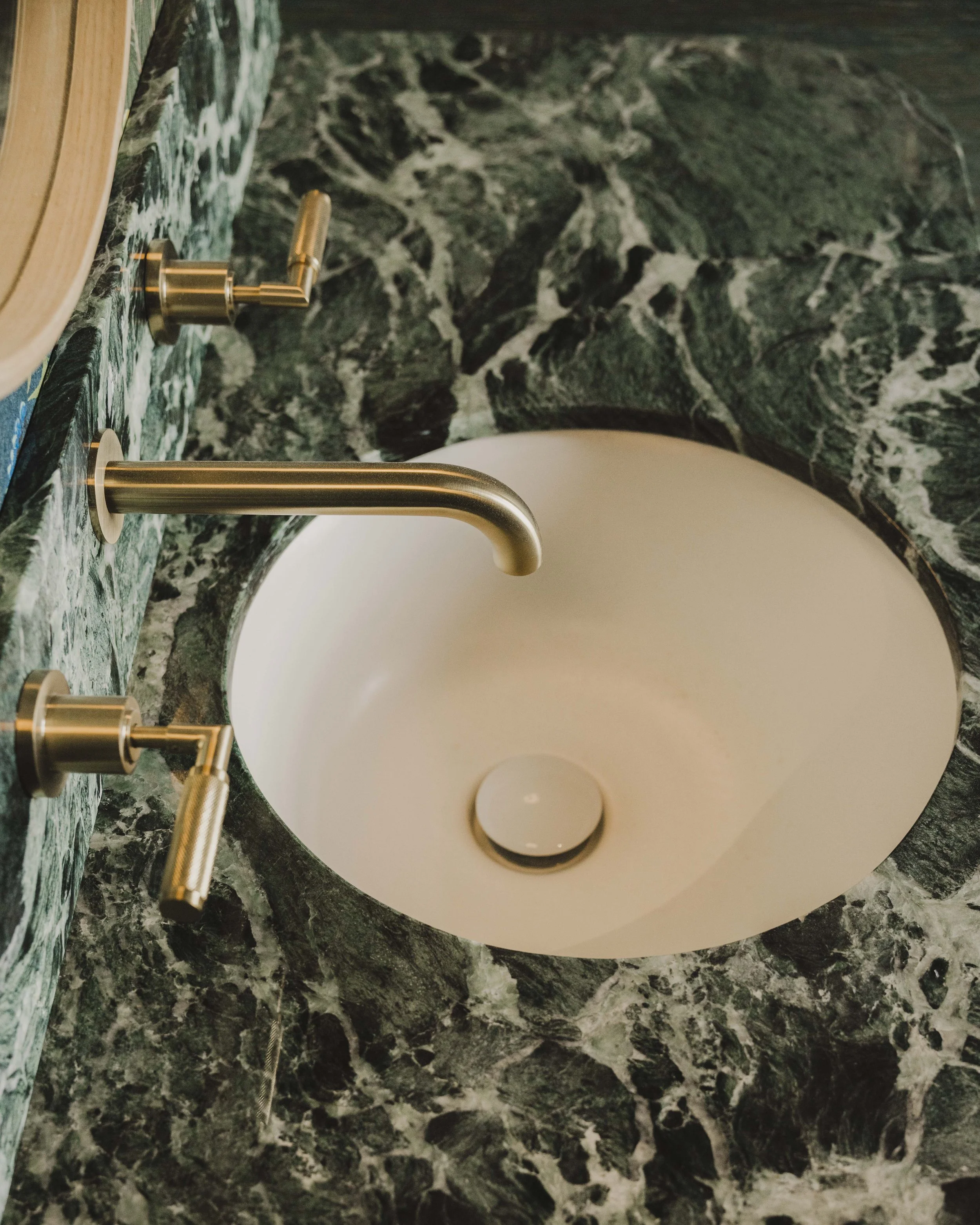
Marble, granite and quartzite feel alive. The variation, veining and organic movement offer something no engineered surface can replicate. They do require sealing and care, but they reward you with character that deepens over time. They suit homeowners who appreciate patina and natural beauty over perfection.
Porcelain
A practical choice that does not compromise on aesthetics. It can handle heat, stains and daily wear with ease. Porcelain shines in kitchens where cooking is constant and surfaces need to stay resilient. It is also ideal for outdoor kitchens thanks to its UV stability.
Engineered stone
Reliable, consistent and low maintenance. The tones are controlled, the finishes predictable, and the performance steady. Perfect when you need a polished, seamless look that keeps itself looking new.
Timber
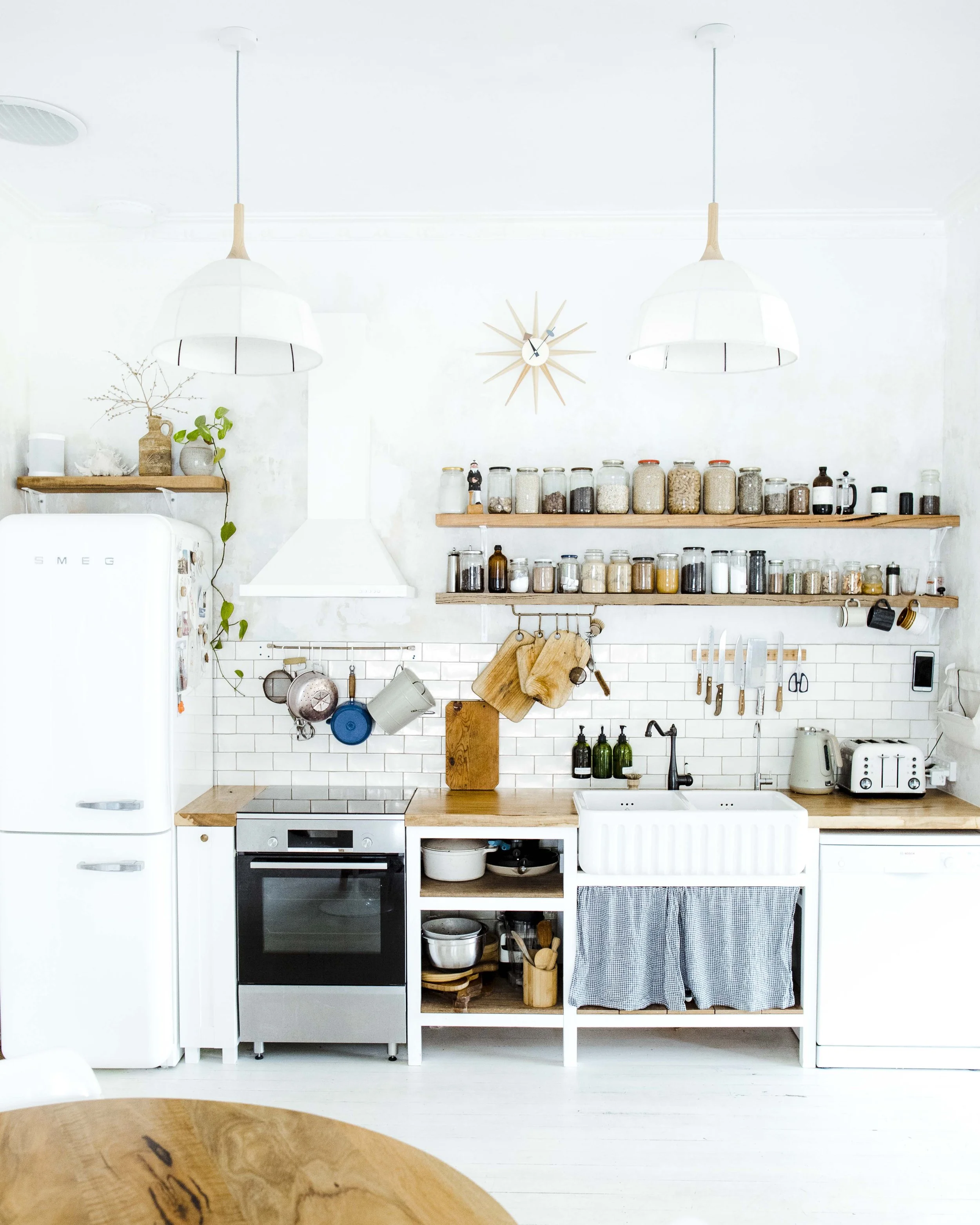
Warm, tactile and full of charm. Timber softens contemporary joinery and pairs beautifully with stone. It needs sealing, but it brings a level of comfort and natural warmth that many homeowners find grounding.
Concrete and micro-cement
Modern, architectural and slightly industrial in attitude. These surfaces offer texture and depth, and they work well for homeowners who prefer a more sculptural, built-in look.
Matching your lifestyle to the right material
Designing a kitchen around daily life is one of the best investments you can make.
If you cook most nights, host large gatherings, or have teenagers who think every surface is a chopping board, durability is your friend. Porcelain or engineered stone will save you stress.
If you use the kitchen as a quiet space, love natural materials, or want a finish that tells a story with age, stone or timber may feel more aligned.
Consider how you move around the space.
Where do you make coffee? Do you prep quick lunches at the island? Do you need a zone that stays clutter free for guests?
Honest answers lead to selections that feel effortless long after the renovation is done.
The quiet details that shape the whole look
Thickness, edge profiles and seams influence how refined or sculptural your kitchen appears.
A slim profile feels contemporary and understated. A thicker slab reads more like furniture, adding presence and structure.
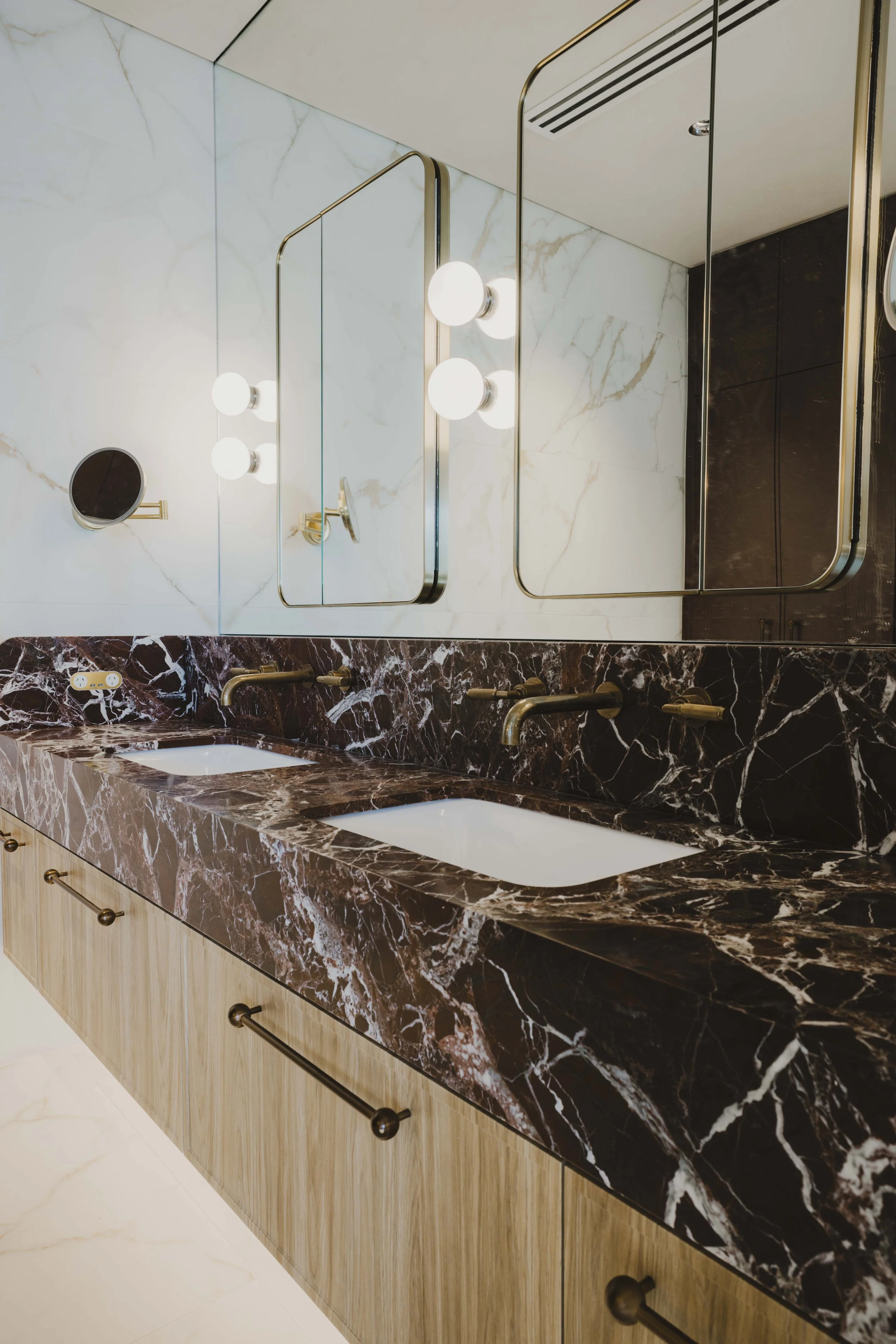
Rounded edges soften a minimalist kitchen. Square edges feel architectural and clean. Waterfall ends create a continuous visual line that instantly elevates the room.
Invisible joins always feel high end and help the surface read as one seamless piece. Small detail, big impact.
Thinking in palettes rather than pieces
A countertop should not be chosen in isolation. It needs to sit comfortably inside the world of your kitchen.
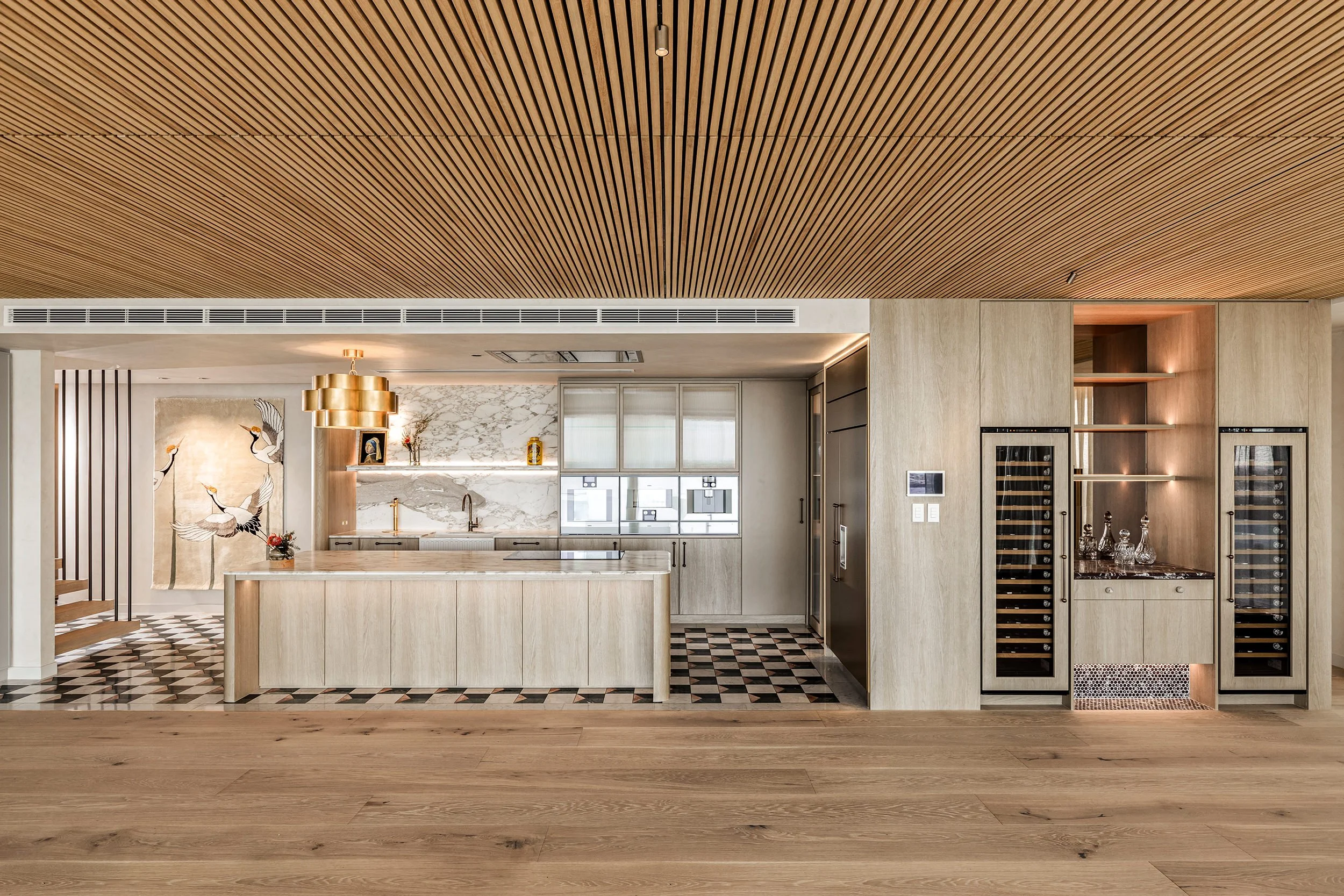
Look at the relationship between the surface and your flooring. Warm timber floors may pull the palette towards soft beige or creamy stones. Grey polished concrete might work better with cooler surfaces or marble with subtle grey veining.
Consider materials like brushed metal or micro cement that naturally disguise fingerprints. Or surfaces with fine-grain movement that keep the kitchen feeling refined without drawing attention to every mark.
When countertops, joinery, flooring and lighting all speak the same language, the whole room feels intentional.
A countertop decision is not just about what looks good in a showroom. It is about what feels right in your home, what supports the way you live, and what brings the rest of your design choices together.
With the right guidance, the decision becomes easier than you think.
Choosing the right countertop for your luxury kitchen? Talk to Mayfair Building Co about bespoke home builds with premium finishes.