Before the Floor Plans: The Questions That Matter Most
THE QUESTIONS WE ASK BEFORE DESIGN, MATERIALS, OR STYLE
July 30, 2026
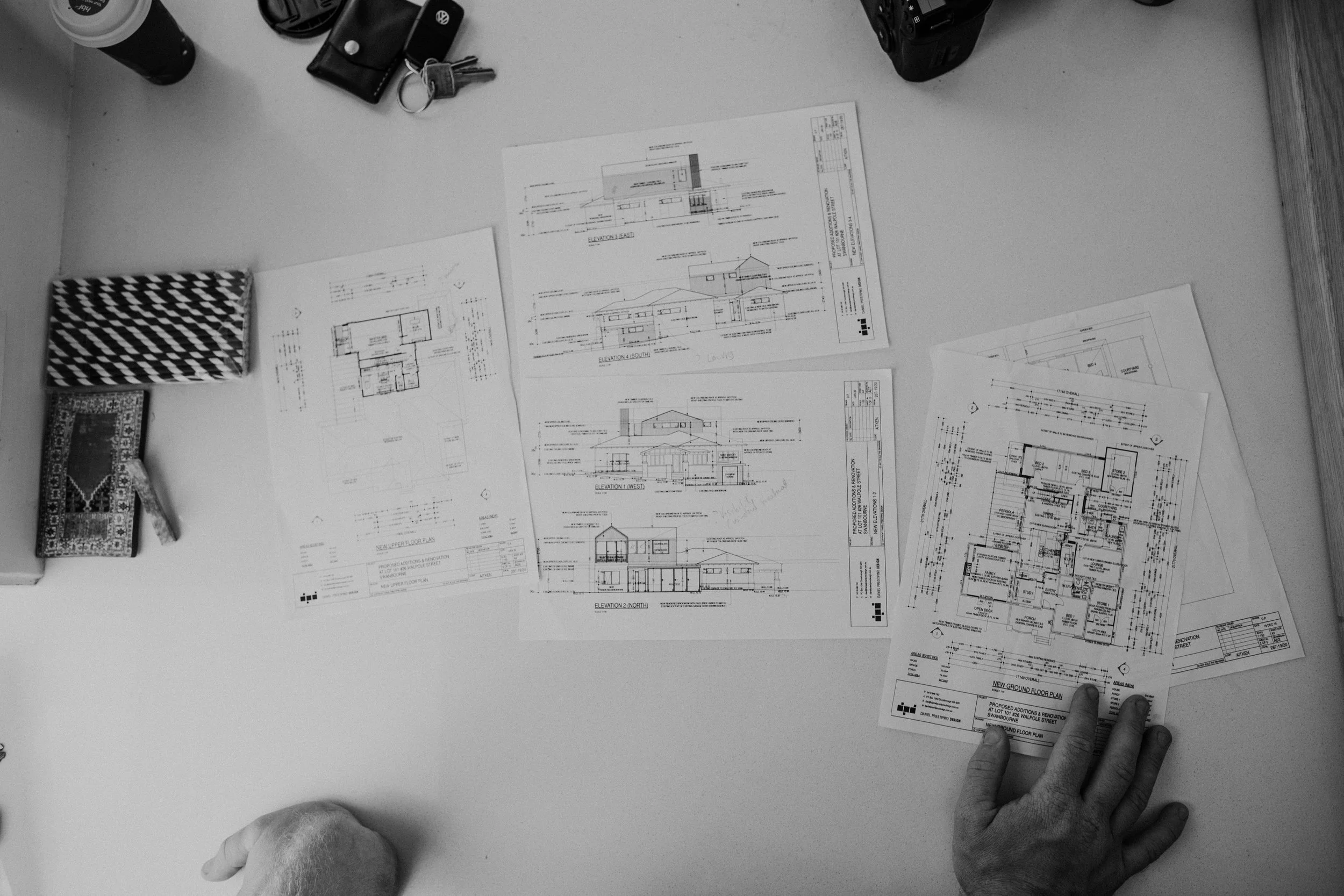
Before the floor plans, the materials and the mood boards, there is a quieter step that shapes everything that follows. Asking the right questions early can be the difference between a home that looks beautiful and one that truly works.
This guide walks through the conversations we have before we ever begin to build, and the kind of thinking we ask clients to bring when they first sit down with a custom home builder in Perth.
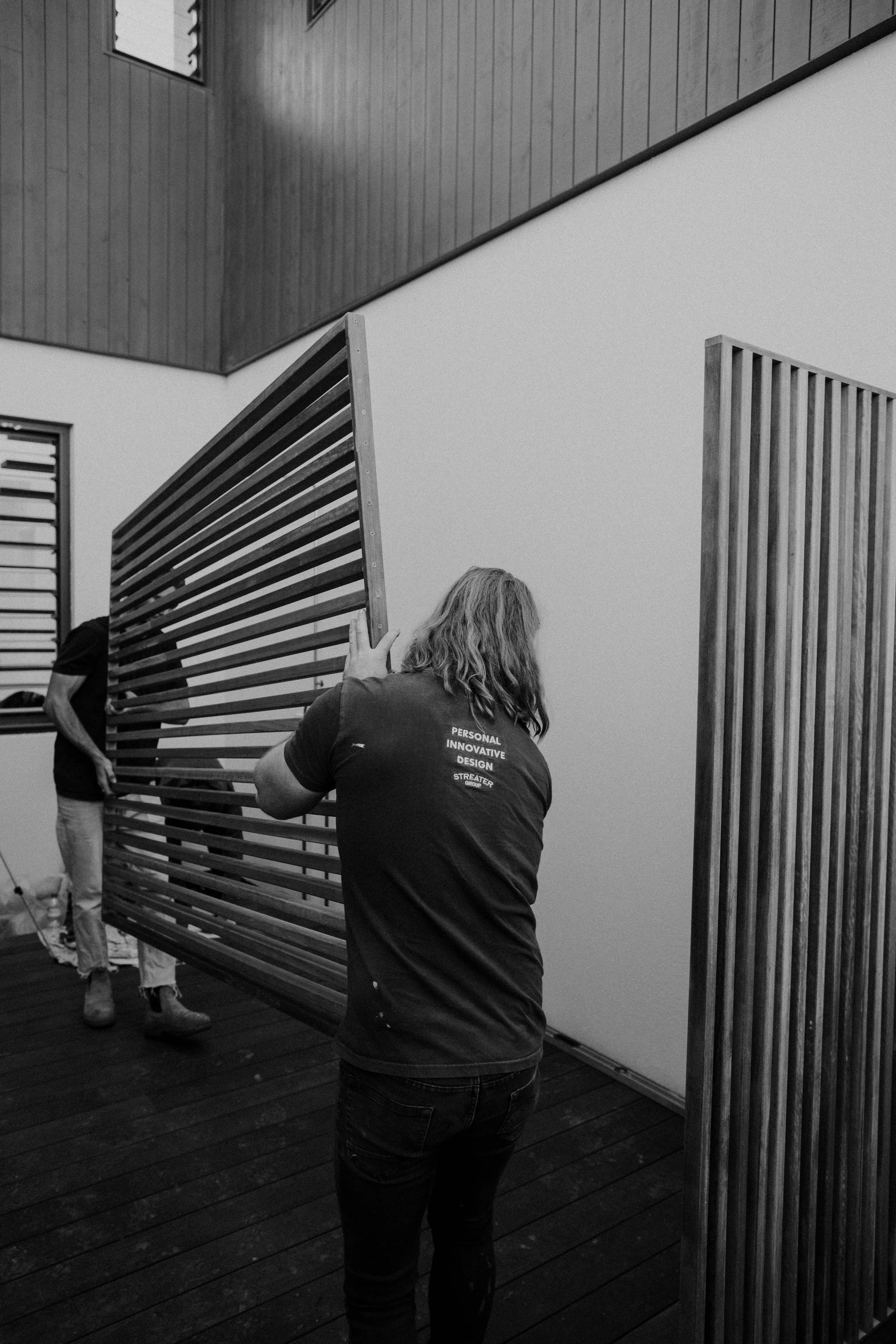
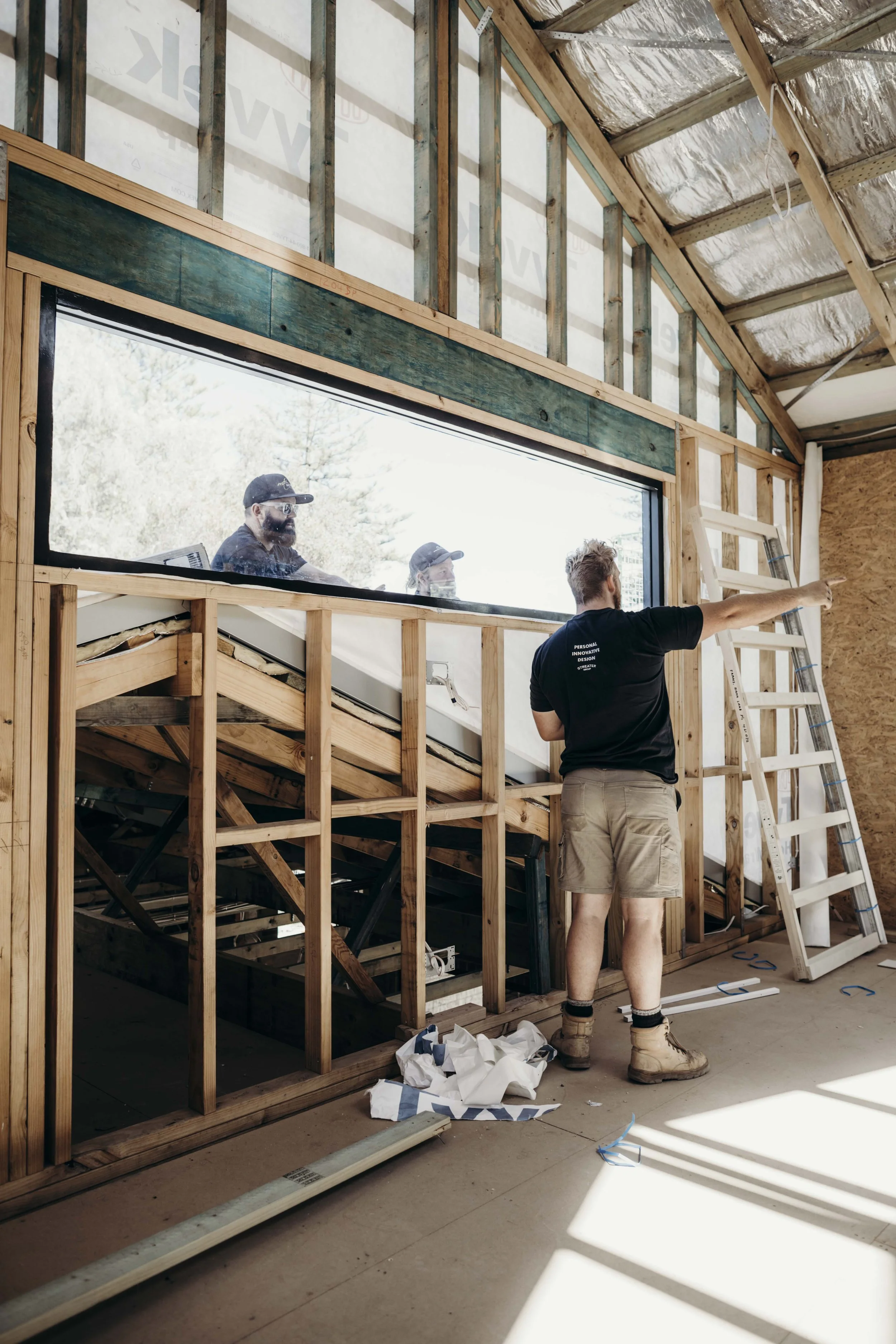
What we ask before we ever talk about style
Building or renovating a home is one of the most significant decisions you will make, financially, emotionally and practically. Long before materials are selected or floor plans are finalised, the most important work happens in conversation.
At Mayfair, we ask questions early. Not to complicate the process, but to clarify it. These questions shape how a home functions, how it feels to live in, and how well it supports you over time.
Before we talk about what your home will look like, we want to understand how it will live.
Below are the key questions we ask our clients, and the ones worth asking yourself before you begin.
How do you actually live day to day?
Not how you imagine living. Not how the home will look in photographs. But how your days truly unfold.
What time does the house wake up? Where does everyone gather in the morning? Do evenings revolve around the kitchen, or do you retreat to quieter spaces once the day slows down?
Where does life naturally collect in your home?
Understanding daily rhythms helps us design spaces that feel intuitive rather than forced. It informs circulation, storage, lighting and layout in ways that make the home feel effortless.
What feels easy, and what currently feels frustrating?
Often, the clearest design cues come from what is not working now.
Is the kitchen always cluttered? Do you run out of bench space at the worst moments? Does the laundry feel disconnected from how you actually use it? Are bedrooms too close, or not close enough?
What are you tired of working around?
These insights guide smarter planning and prevent old frustrations from being rebuilt into a new home.
How do you want the home to feel?
This question goes deeper than aesthetics.
Do you want the home to feel calm and retreat-like? Social and open? Layered and intimate? Light-filled and energising? Grounded and quiet?
The feeling you want to experience shapes everything from ceiling heights and material choices to how spaces open or close to one another.
How do you want to feel when you walk through the door at the end of the day?
Who is this home really for?
Homes often need to serve more than one phase of life.
Is this a family home that needs to adapt as children grow? A long-term residence where accessibility and ease will matter later? A place designed for frequent guests, or one that prioritises privacy and retreat?
Thinking beyond the present allows us to design flexibility into the layout without making the home feel oversized or overdesigned.
How do you entertain, if at all?
Entertaining looks different for everyone.
Some clients host large gatherings and need spaces that open seamlessly outdoors. Others prefer small dinners, long lunches or quiet evenings with close friends. Some rarely entertain at all.
Does your home need to perform for crowds, or simply support the people who live there?
This informs kitchen layouts, dining zones, outdoor connections and the balance between open and enclosed spaces.
What level of maintenance suits your lifestyle?
Every material has a personality.
Some age gracefully and develop patina. Others stay crisp with minimal effort. Some reward care. Others quietly tolerate real life.
Understanding how much maintenance feels comfortable helps us guide material selections that align with your lifestyle, not just your taste.
Do you want surfaces that stay perfect, or ones that tell a story over time? You can also see how this thinking plays out across our residential projects, where material choices are made with each owner's lifestyle in mind.
What does comfort look like to you?
Comfort is deeply personal.
It might mean warm floors in winter, excellent acoustic control, soft lighting, or simply spaces that never feel rushed or noisy. It could be energy efficiency, solar integration, or thoughtful zoning that allows everyone to coexist without friction.
These details are often invisible when done well, but transformative in daily life. They are also where having trades coordinated under one roof starts to pay off, because comfort lives at the intersection of structure, services and finishes.
What does success look like at the end of the project?
This is one of the most important questions we ask.
Is success a calm, well-managed process? A home that feels exactly right for your family? A build experience where you felt informed, supported and confident throughout?
When you look back on this project in five years, what do you want to remember about it?
This question shapes how we communicate, plan and guide you from start to finish.
Why these questions matter
Good homes are not defined by trends or finishes alone. They are defined by how well they support the people who live in them.
By asking the right questions early, we create clarity. And clarity leads to better decisions, smoother builds and homes that feel deeply considered rather than simply well designed.
At Mayfair, this conversation is where every project begins. It keeps the process grounded, aligned and intentional from the very first step.
If you are starting to think about building or renovating, we would love to talk. Not about finishes just yet, but about you, your life and what you want your home to quietly do for you every day. Start the conversation here.