COASTAL HOMES IN PERTH: DESIGNED FOR THE VIEW, BUILT FOR THE SALT
16 July 2026
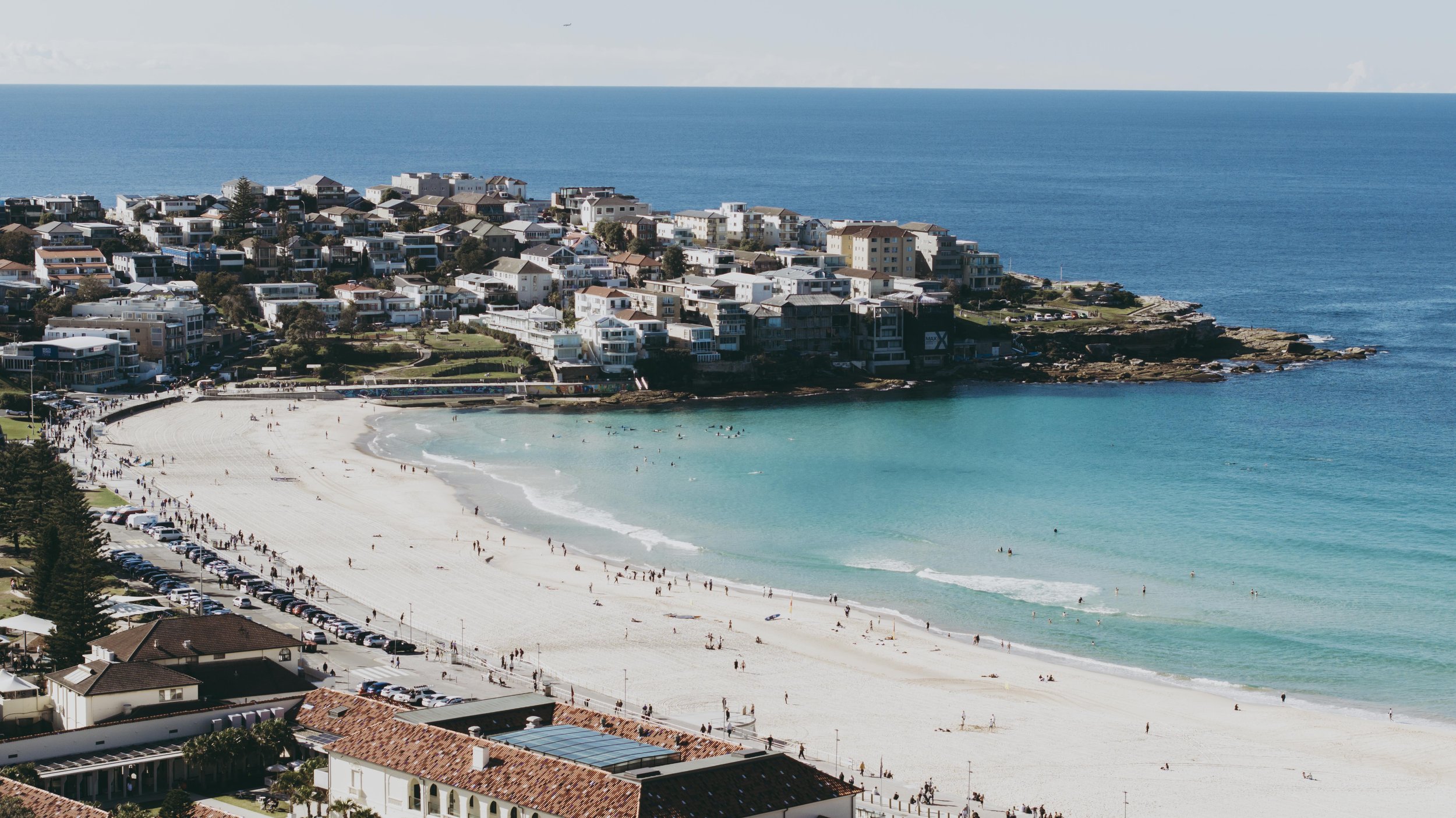
A coastal home has to do two things at once. It has to open right up to the ocean, the light and the afternoon sea breeze, and it has to shrug off salt, wind and relentless sun for decades. Getting both right is what separates a home that still looks new in ten years from one that needs repairs in three.
Building near the water in Perth is one of the most rewarding things you can do, and one of the least forgiving of shortcuts. This guide walks through what actually matters when you build on the coast, from orientation and materials to approvals and choosing the right team, so you can plan with your eyes open. If you are weighing up coastal home builders in Perth, it helps to understand these decisions before you commit to a block or a design.
Why Perth’s coastline is worth building for, and what makes it hard
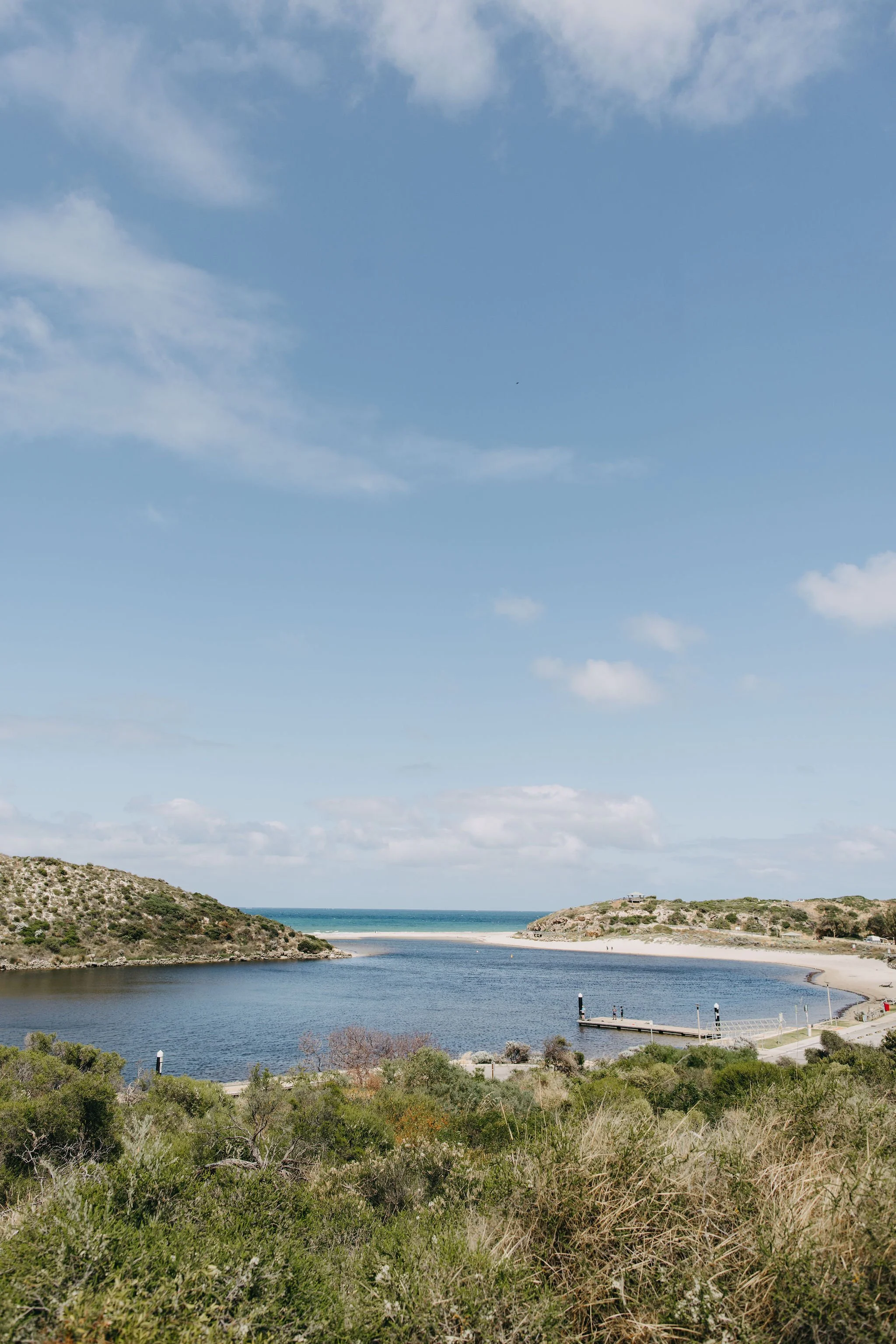
Perth has one of the most liveable coastlines in the country, from Cottesloe and Swanbourne through City Beach, Scarborough and Trigg, up to the northern beaches and south to North Coogee. A home on the coast trades an ordinary suburban block for morning light on the water, sea breezes right through summer and a lifestyle that is hard to match anywhere else. No two coastal blocks are the same, either. A true beachfront lot, a home a few streets back with filtered views, and an elevated block looking down the coast each bring their own mix of exposure, orientation and opportunity.
That setting comes with a catch. The same air that carries the view is loaded with salt. The afternoon sun is harsh, the ultraviolet is relentless, and the wind, including the reliable Fremantle Doctor, finds every weak detail in a build. Sand gets into everything during construction. None of this is a reason to avoid the coast. It is the reason to design and build for the environment from day one, rather than treating a beachfront block like any other lot.
How should a coastal home be oriented in Perth?
Orientation is the single biggest design decision on a coastal block, and it is about far more than the view. In Perth you want to draw in northern light for warmth and comfort, capture the afternoon sea breeze to cool the home naturally, and shelter the interior from the harsh western sun and the worst of the westerly weather.
On a block in City Beach or Cottesloe, lifting the main living areas upstairs can turn a sliver of blue into the heart of the home. On a tighter beachside lot, the priority is often catching the breeze and the light while keeping the westerly exposure in check. Well-placed openings on opposite sides of the home also let the sea breeze move through and carry the day’s heat out, which is one of the simplest ways to stay comfortable through a Perth summer without leaning on air conditioning. Where the glass goes, where the home opens up and where it shelters are the decisions that make a coastal home feel effortless instead of exposed. It is the same thinking that runs through any well-designed luxury custom home, but it matters most within sight of the water.
What materials last in a coastal environment?
This is where coastal building genuinely differs from a standard build, and where cutting corners shows up fastest. Salt-laden air corrodes ordinary fixings and finishes, so anything that meets the outside air needs to be specified for the environment, not just chosen for looks.
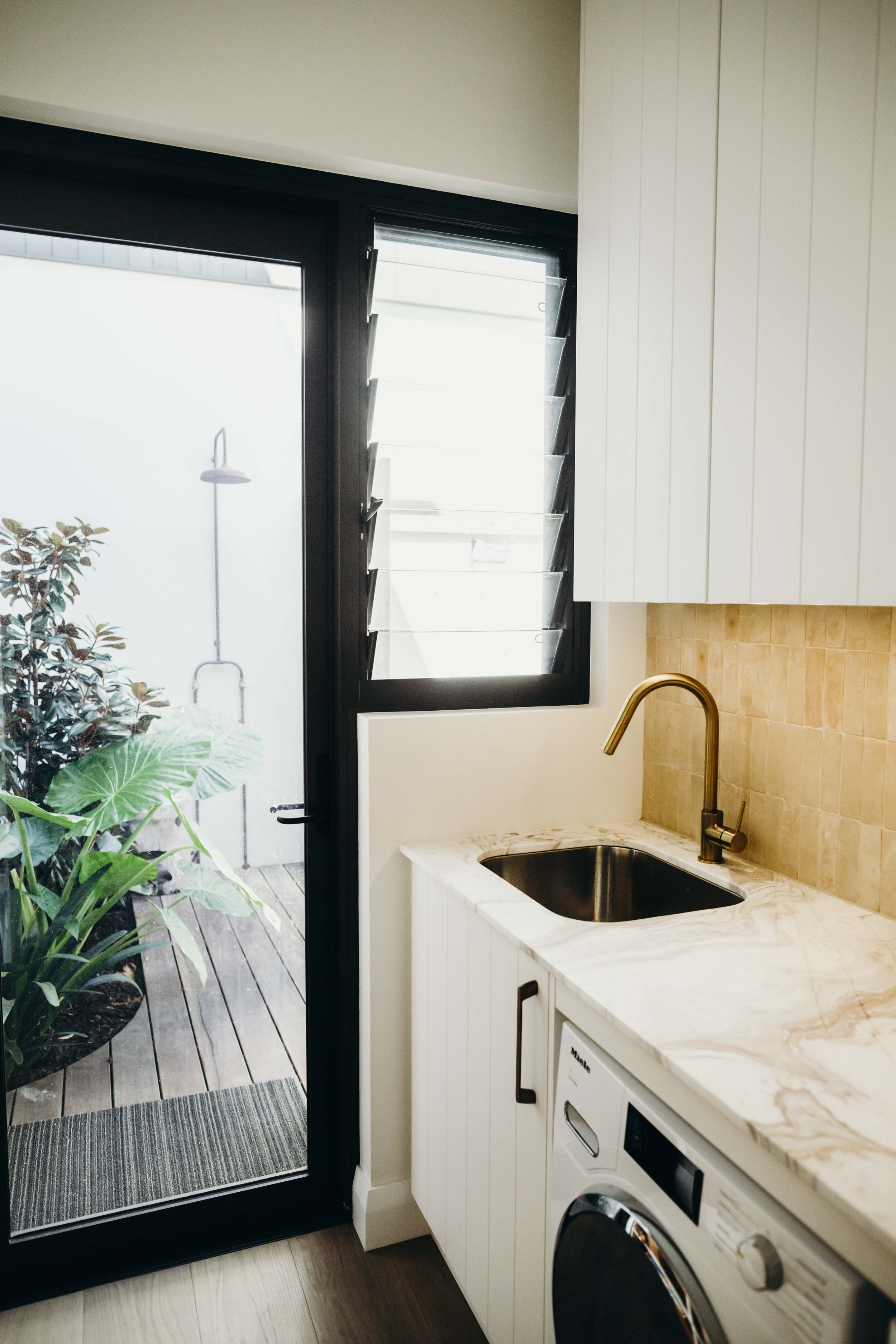
In practice that means marine-grade stainless steel fixings and corrosion-resistant detailing on every exposed element, glazing and door systems rated for coastal wind loads and salt exposure, and cladding and finishes selected to handle ultraviolet, sand and sea spray rather than only looking good on day one. It also means coordinating the trades that touch these details, from carpentry to plumbing and electrical, so nothing is left as an afterthought. These are not glamorous line items, but they are the ones that decide whether a coastal home still looks the part in a decade.
It is worth thinking beyond the obvious surfaces, too. Roof sheeting, gutters, garage doors, balustrades, outdoor kitchens and pool equipment all sit in the firing line on a coastal block, and most have a marine-grade or better-protected equivalent. A simple design choice, like tucking vulnerable equipment out of the direct salt path or specifying finishes that can be rinsed down easily, can add years to how long everything looks and works as it should.
Designing for the view, the light and indoor-outdoor living
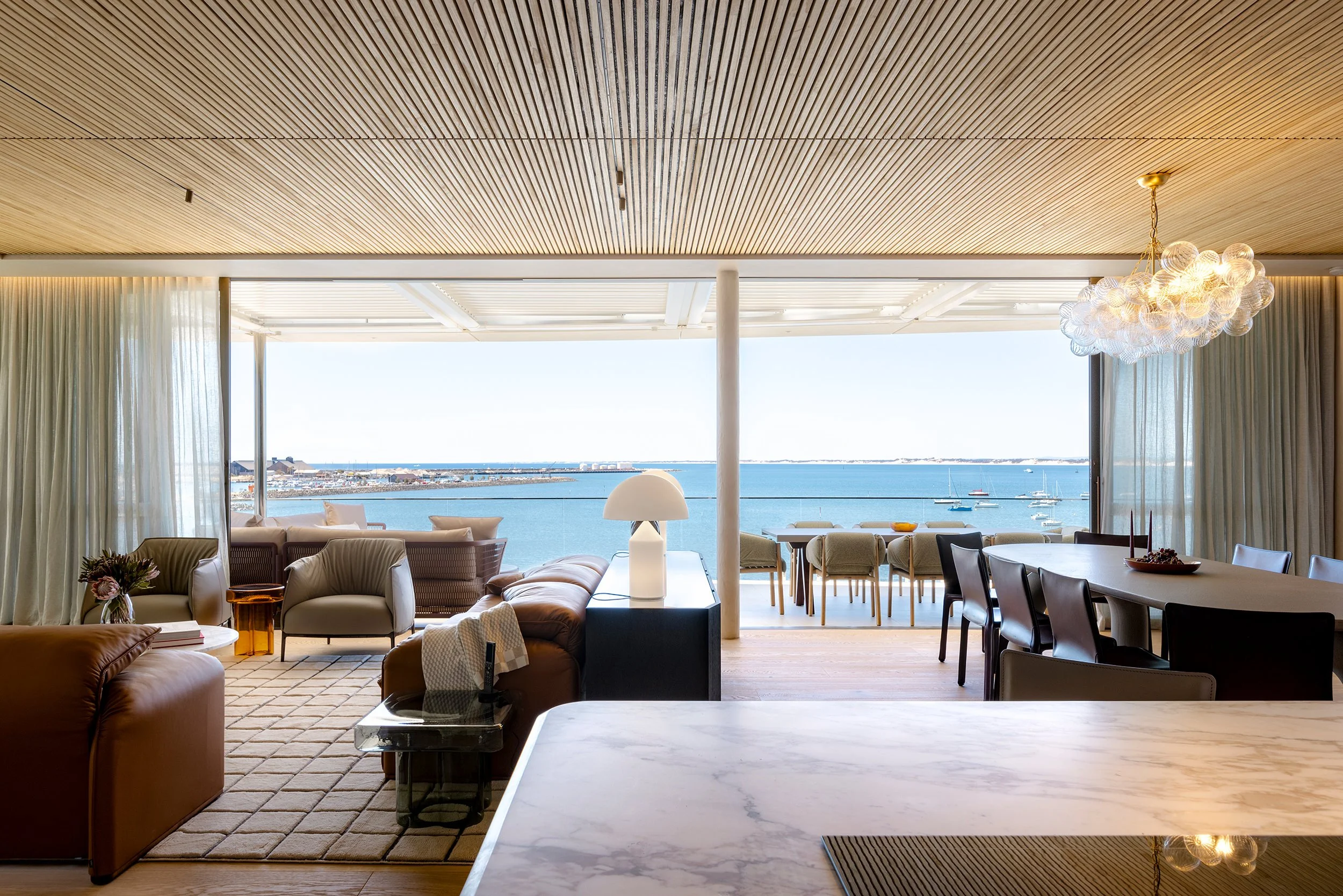
The whole point of building on the coast is what you wake up to, so the design should make the most of it without leaving the home battered. Generous openings, considered glazing and a genuine connection between inside and out are what make a coastal home sing, whether you are chasing a full ocean panorama or borrowing a glimpse of blue between the neighbours.
Glazing does more than frame a view. On an exposed block the right glass tempers wind noise, glare and heat, so the home stays comfortable without the blinds permanently drawn. Privacy matters as well, because the same large openings that capture the ocean can put you on show to the street or the beach path, and considered design solves both at once.
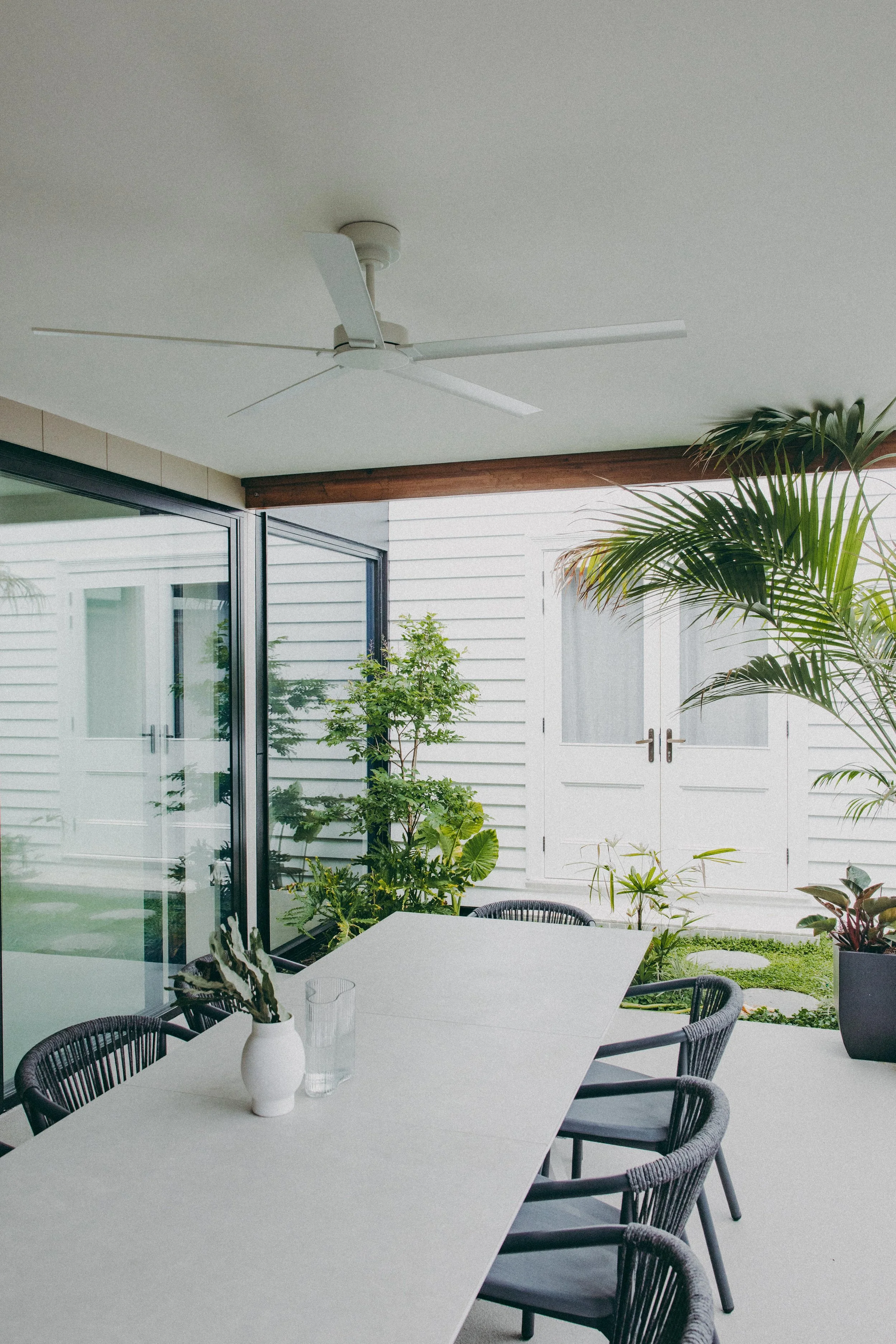
Outdoor living needs the same care as the interior. An alfresco that is beautifully placed for the view but exposed to the wind will sit empty half the year, so shelter, privacy and shade all have to be planned rather than added later. A relaxed material palette helps too. Natural timber, stone, lime-washed textures and soft, sun-friendly tones tend to age gracefully by the water and keep the home feeling calm rather than fussy. The best coastal homes feel open and connected to the ocean on a still morning, and just as comfortable when the sea breeze picks up in the afternoon.
What should you know about coastal blocks, planning and approvals?
Coastal blocks in Perth come with their own planning considerations, and they reward early homework. Beachside sites can involve tighter setbacks, height controls that protect views and streetscapes, higher wind-region requirements, and ground conditions that range from deep sand to limestone. Local council requirements vary from one coastal suburb to the next, so what is straightforward in one street can need extra work in the next.
A detailed site survey and geotechnical assessment early on will tell you what you are really working with underfoot, which shapes everything from footings to cost. The practical takeaway is to understand these constraints before you lock in a design or a budget. A builder who has worked on real Perth coastal sites can tell you early what a block will and will not allow, and where the cost and time are likely to go. That is a far better position than discovering it after the plans are drawn.
How do you choose a coastal home builder in Perth?
Look for proven coastal experience, not just a general residential portfolio. Ask how a builder handles marine-grade detailing, glazing and corrosion protection, and ask to see homes they finished years ago rather than only fresh handovers, because salt air and bright coastal light expose workmanship that a new photo can hide. Local knowledge counts for a lot as well. A builder who understands how the Perth coast behaves, suburb by suburb, will anticipate the issues that a builder new to the coast only meets once they are on site.
Check the credentials too. In Western Australia that means registered, fully licensed building practitioners, and recognised site-safety accreditation is a genuine mark of a builder who runs an exposed coastal site properly. It is worth asking about communication and warranties as well, because a coastal build can run many months, and you want to know who your point of contact is, how often you will hear from them, and what happens if something needs attention after handover. Finally, value transparency on cost. Coastal building costs more for good reasons, and a builder who walks you through the glazing, fixings and detailing early is one you can trust to build the home you can actually afford. At Mayfair, that upfront, hands-on approach is the whole point.
A coastal home is one of the most rewarding projects you can take on in Perth, and one of the least forgiving of shortcuts. When the orientation, the materials and the detailing are all resolved early, the result is a home that opens right up to the ocean and still stands up to it years later.
Take the time to get the fundamentals right and a coastal home rewards you every single day, in the light, the outlook and the way it lives. If you would like to see how this comes together, browse our completed Perth homes to get a feel for the standard, or start a conversation with our team and we will begin with your site, your block and the view worth building around.