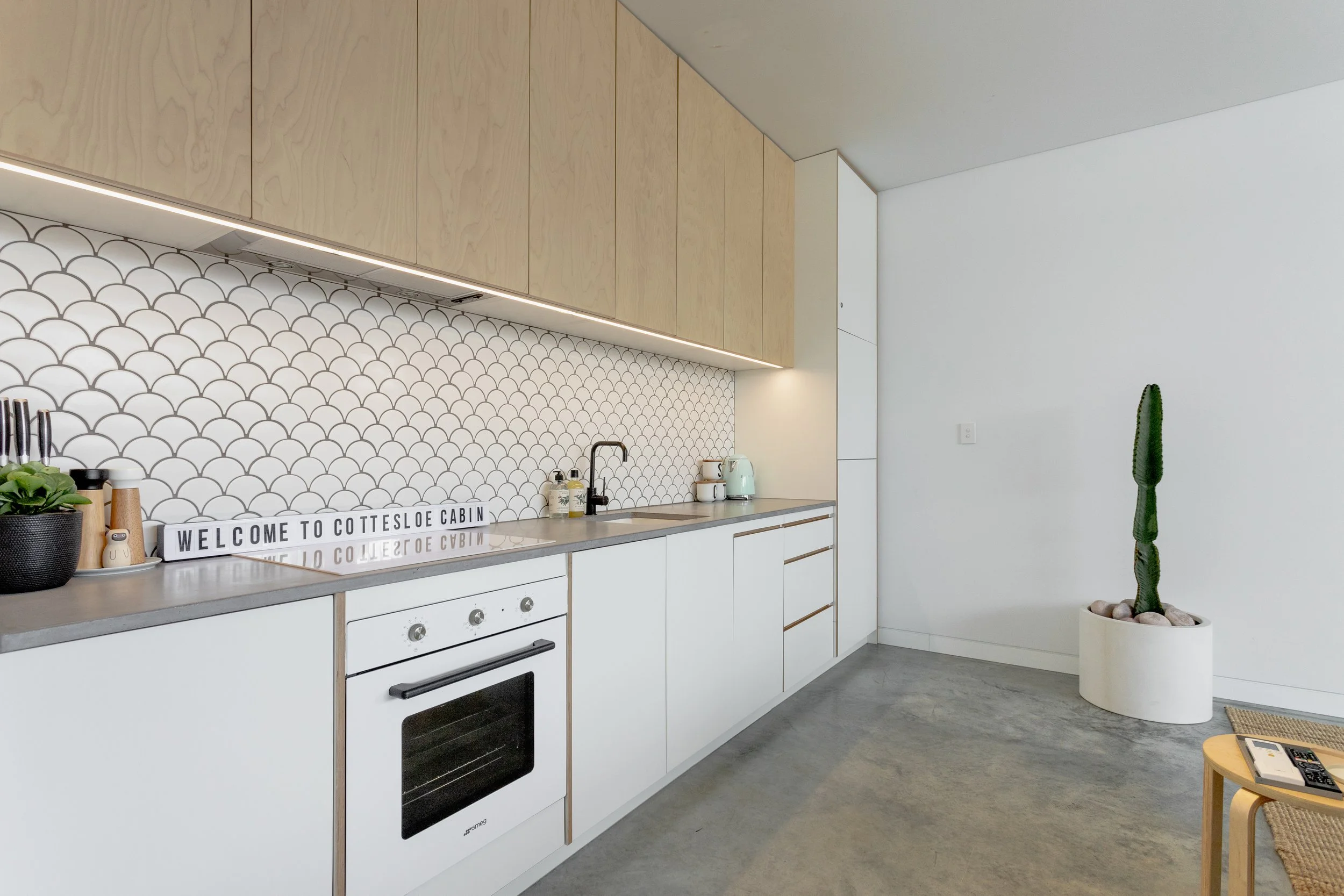
CHOOSING THE RIGHT HARDWARE: THE SUBTLE DETAILS THAT SHAPE YOUR HOME
13 August 2026
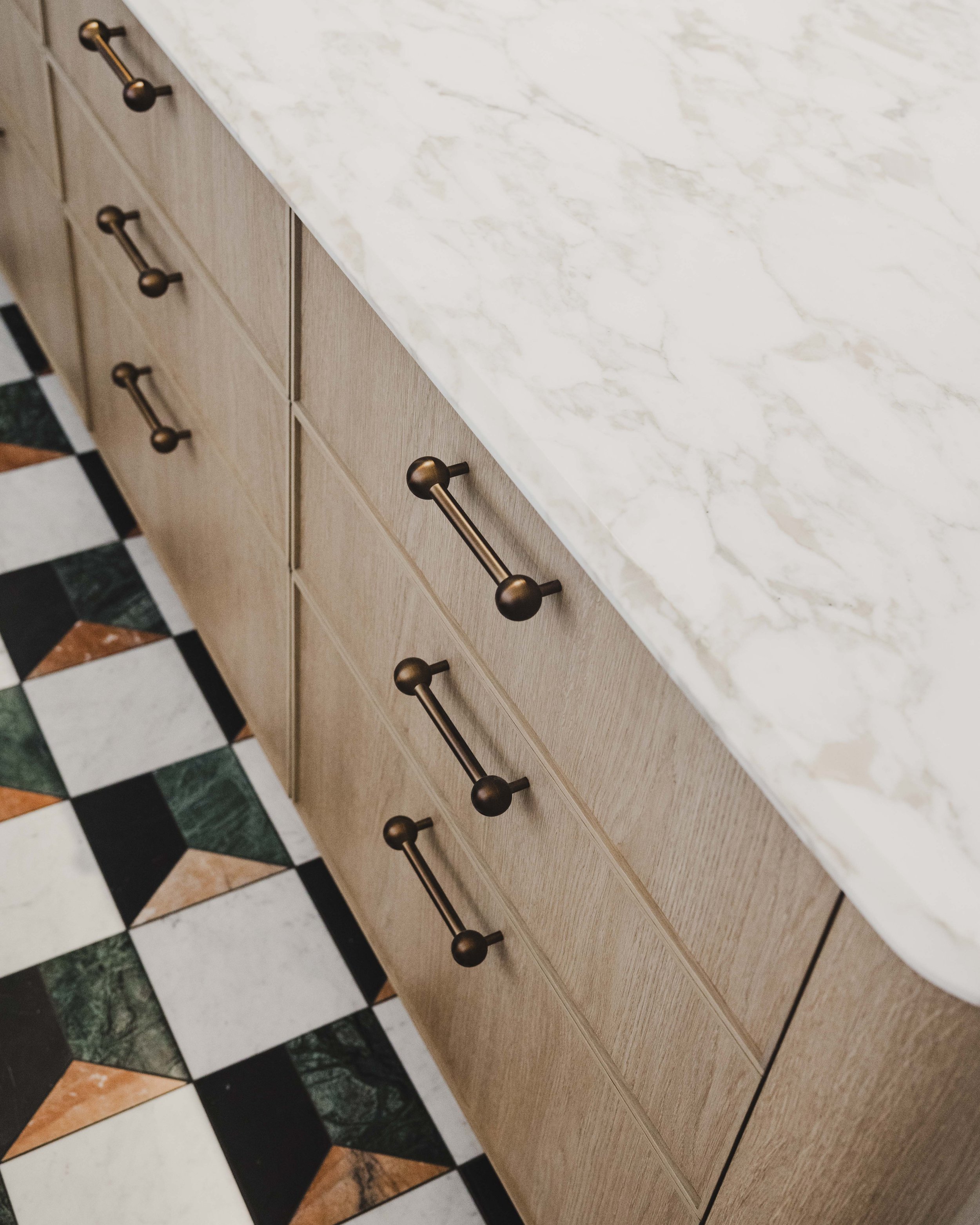
It is easy to overlook these small details, but cabinetry hardware is part of how you experience a room every day. The feel of a drawer, the rhythm of opening a cupboard, even the subtle reflection of metal under light. These moments shape how a home feels and functions, and they are some of the most touched surfaces in any house.
The right handles, knobs, pulls and hinges can make a space feel cohesive, functional and personal. This is your design companion for choosing the perfect details for your home’s hardware, particularly if you are working through specifications with a custom home builder in Perth.
Choosing the Right Hardware for Your Home
Hardware might be small, but its impact on your home is significant. Handles, knobs, pulls and hinges shape how a space feels, how you move through it, and how your interiors are experienced day to day.
From kitchen drawers to bathroom cabinets, hardware is both functional and aesthetic. Choosing pieces thoughtfully ensures your home feels cohesive, intentional and effortless. The right hardware can elevate a simple cabinet into a piece of furniture and make daily routines feel smoother, which is especially important in luxury homes where every detail is on show.
Tone, finish and material
The first thing most people notice about hardware is its finish. Tone, texture and material choice subtly influence the mood of a room and the way it interacts with light and other surfaces.
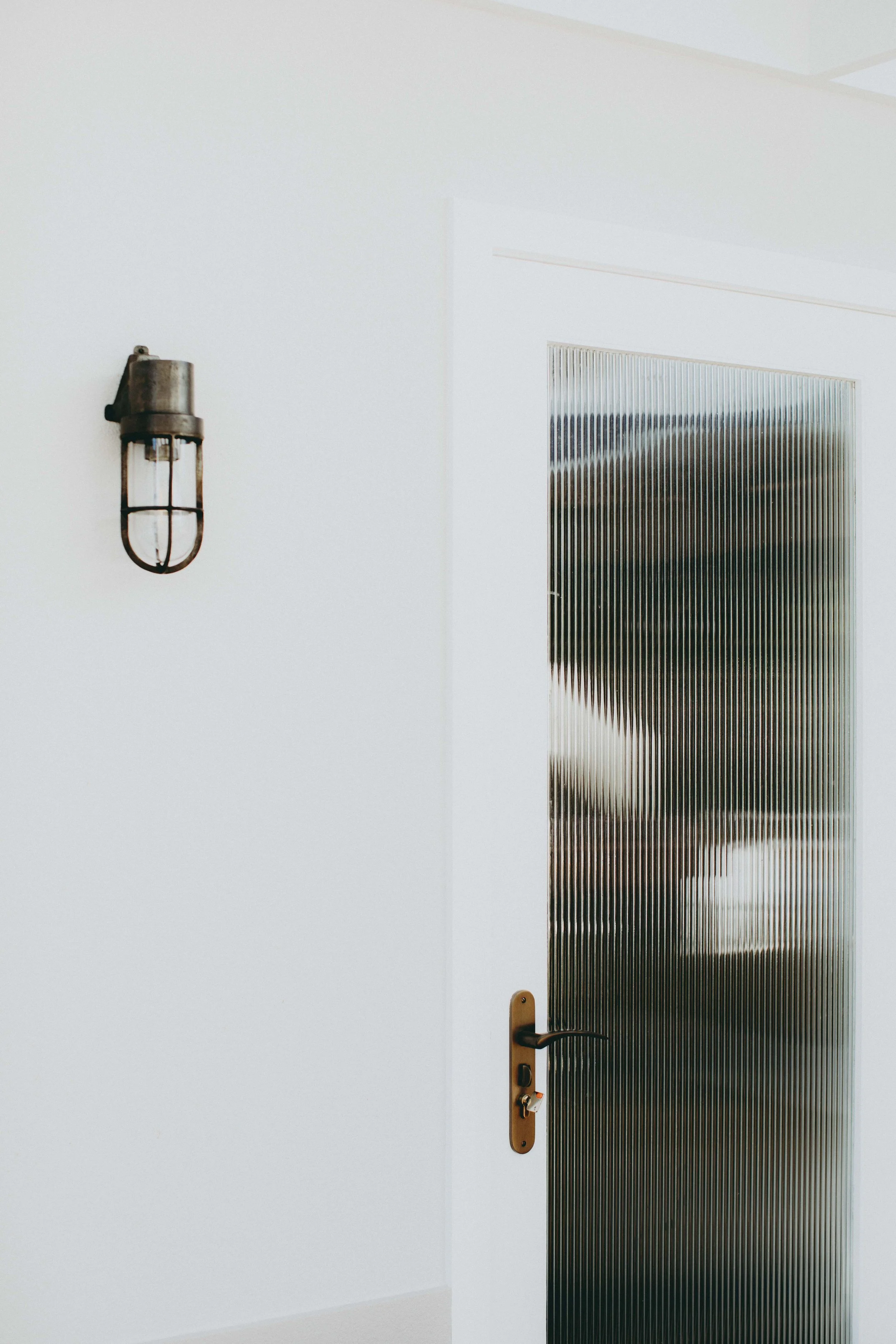
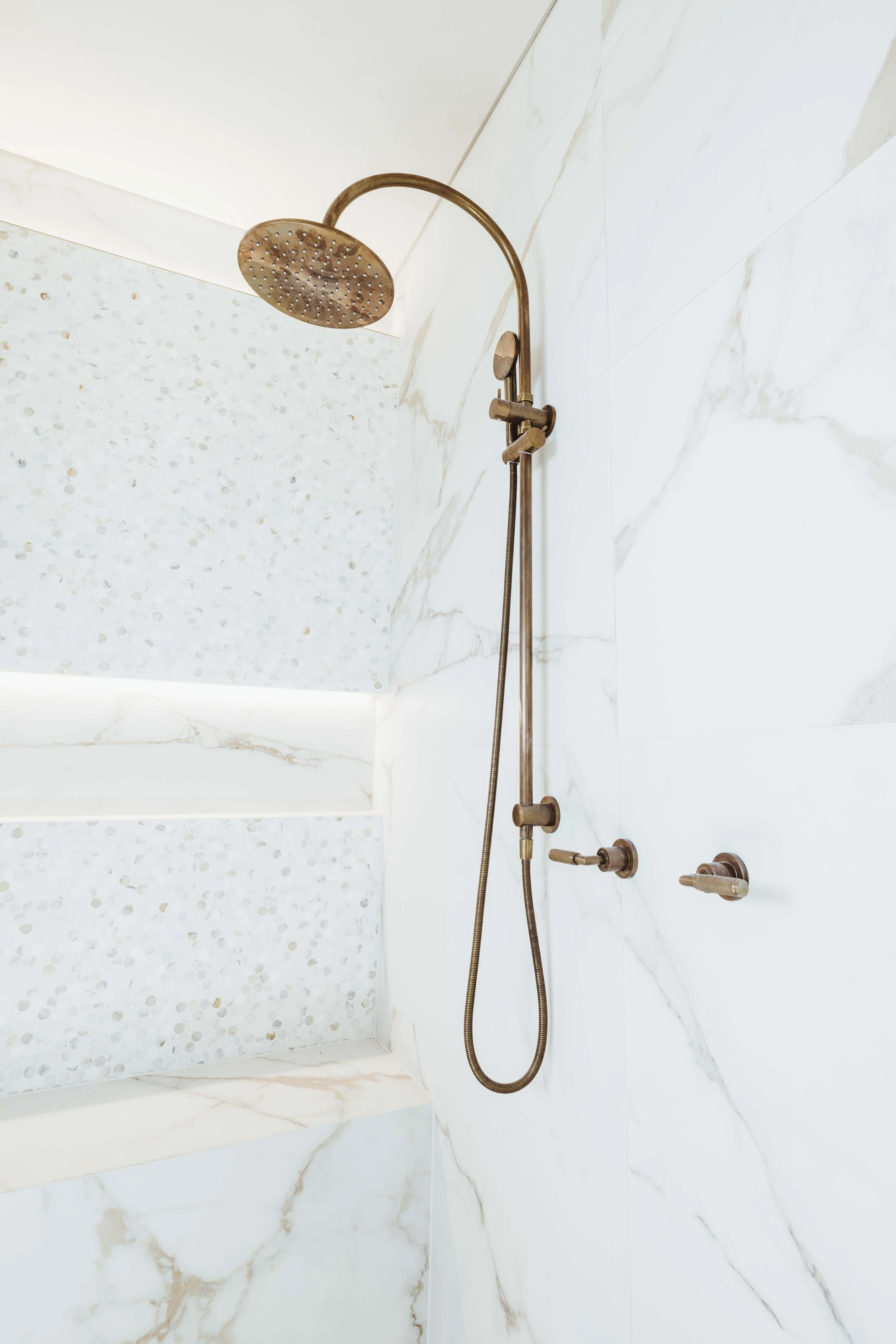
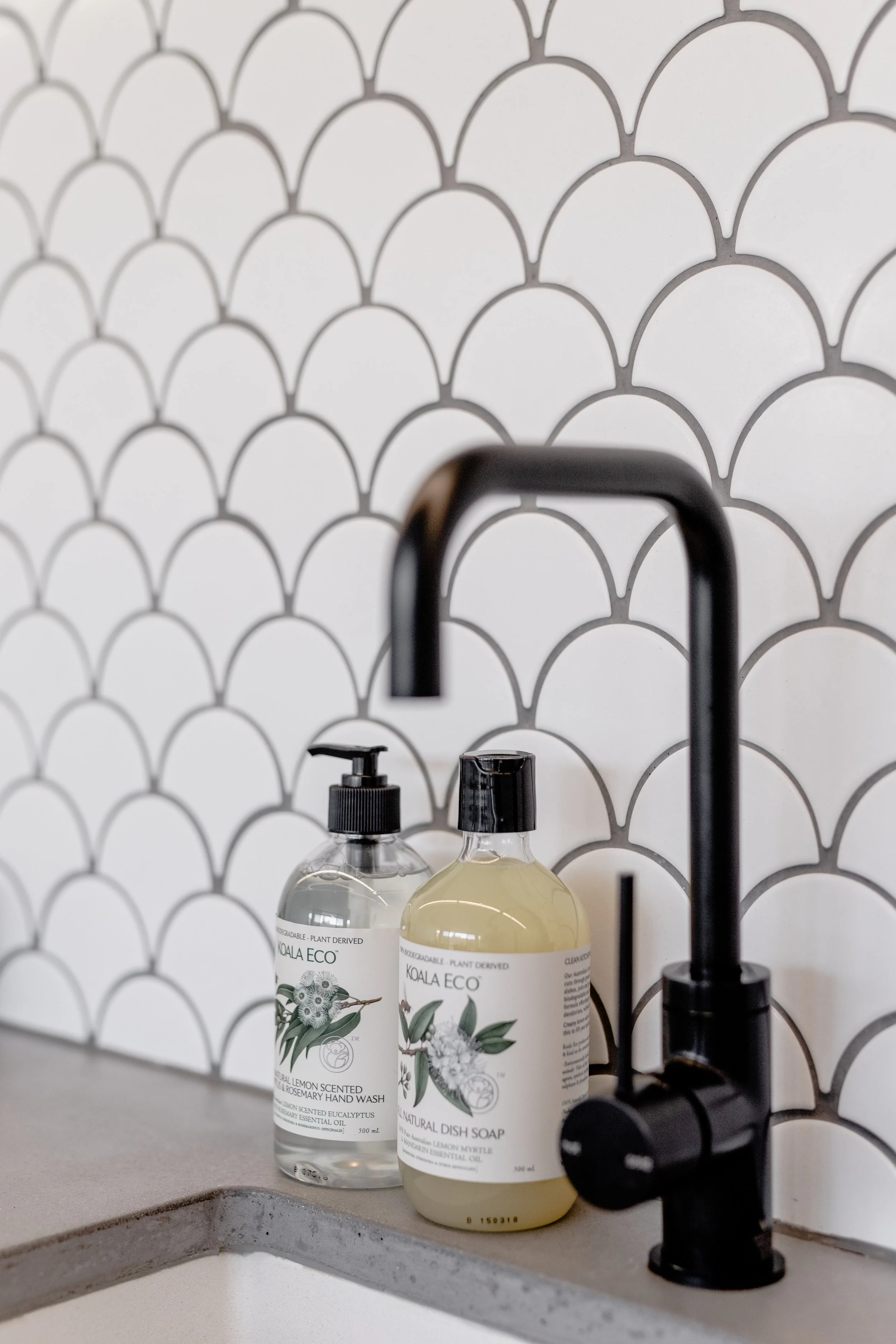
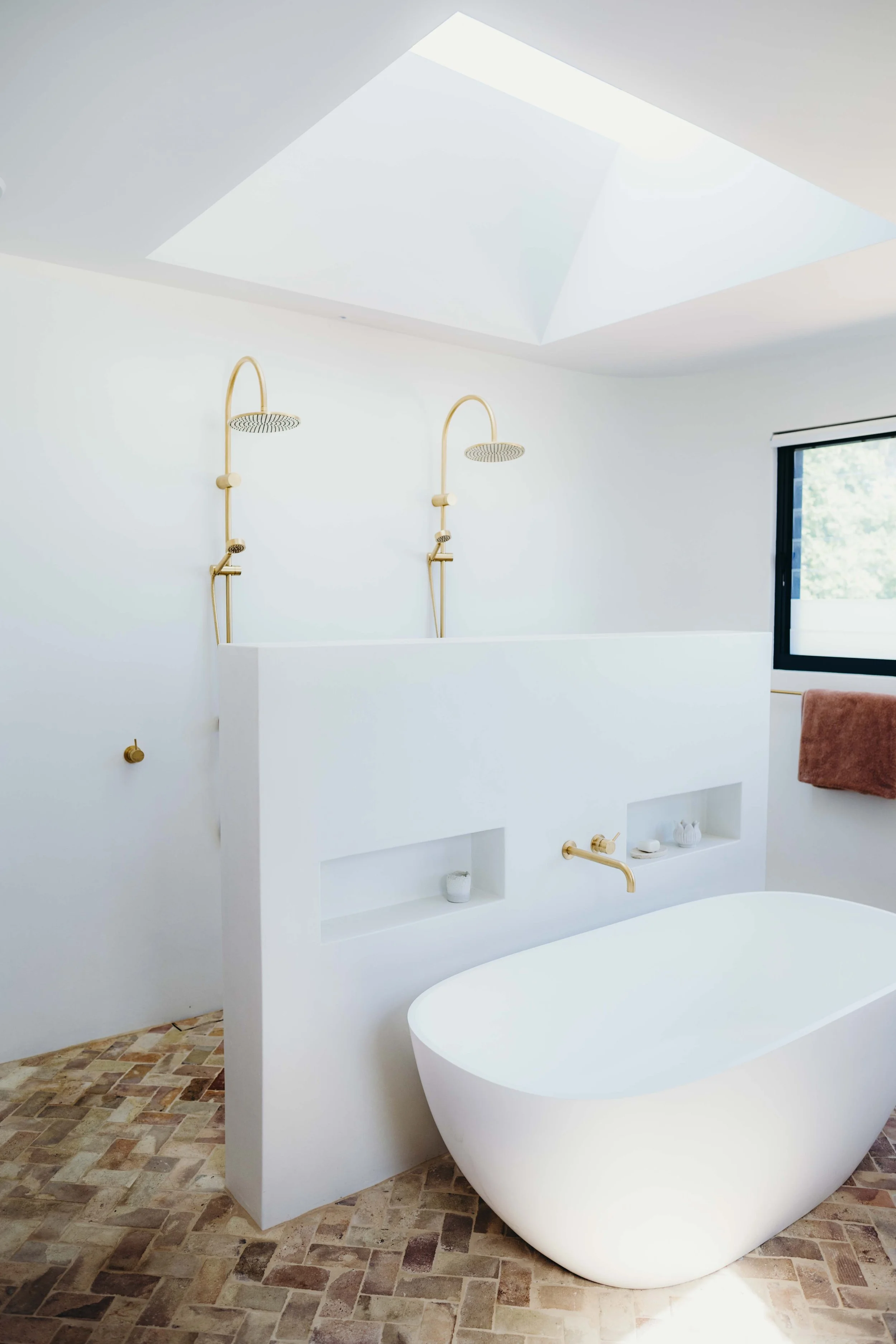
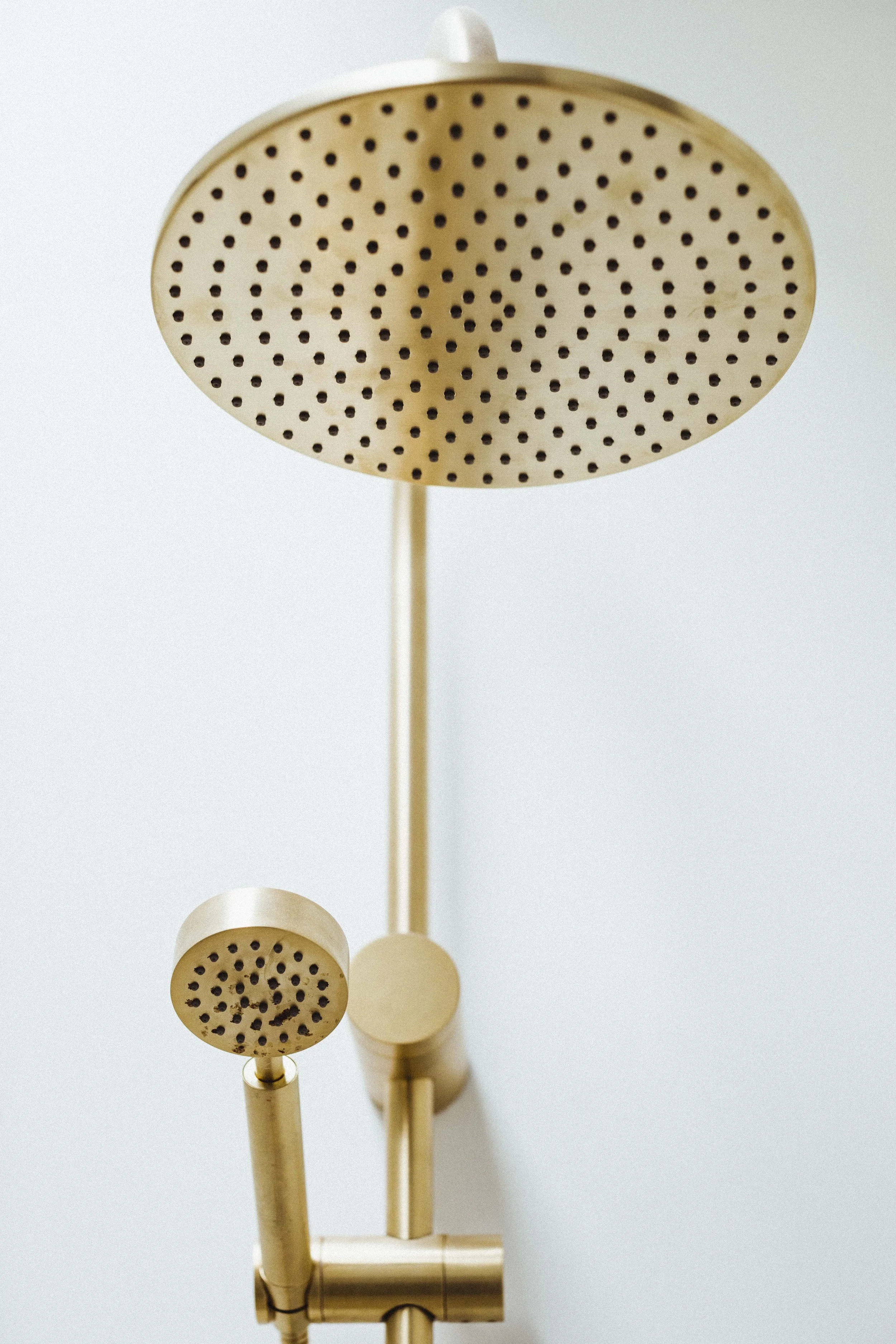
Brass and bronze add warmth and timeless character. Matte black introduces contrast and modernity. Polished chrome or nickel feels crisp and reflective, offering a contemporary edge. Even subtle differences in hue can shift the personality of a kitchen, bathroom or built-in joinery.
When choosing a finish, think about the surfaces it touches, like cabinetry, lighting and appliances, and how it complements them over time.
Some materials age beautifully, developing a patina that adds depth, while others remain consistent, offering long-term predictability. Considering the lifecycle of a finish ensures your hardware continues to feel intentional for years.
Scale and proportion
Size matters more than many people realise. Oversized pulls on small drawers can feel cumbersome, while tiny knobs on large doors often disappear visually. Hardware should feel in balance with the cabinetry it inhabits.
Ask yourself: how will this feel in daily use?
A well-proportioned handle guides the hand naturally, creating a rhythm across drawers and cupboards. This is especially important in open-plan spaces or kitchens with repeated cabinetry, where the visual repetition of hardware helps the room feel organised and considered.
Thickness, length and projection all contribute. Even slight changes can alter both the tactile and visual experience.
Functionality and ergonomics
Hardware is meant to be used, so performance matters as much as aesthetics. Smooth operation, comfortable grips and appropriate clearance all contribute to a practical, enjoyable space.
Soft-close hinges, pull-out pantry systems and recessed handles can transform how a kitchen or bathroom works day to day. Hardware should support your routine, not complicate it.
Consider who uses the space. If you have children, elderly family members or frequent guests, ergonomics becomes critical. The best hardware looks intentional and feels intuitive.
Style consistency
One of the most overlooked aspects of hardware is consistency across your home. Mixing finishes or styles in the same area can subtly disrupt the rhythm and cohesion of your design.
Matching tone, size and profile across kitchens, bathrooms and storage zones ensures a unified look. For example, a rounded knob in a matte finish in one room and a linear pull in polished chrome in another can create subtle visual friction.
Consistency does not mean everything must match exactly. You can layer finishes intentionally, but each choice should feel deliberate, balanced and in conversation with the overall design. This is the kind of detail that gets resolved earlier when carpentry, plumbing and electrical are coordinated under one roof, because hardware specifications touch all three.
Small details, big impact
Curves, angles, texture and weight define the tactile experience of hardware. Rounded edges feel softer and approachable. Linear profiles read architectural and structured. Textured surfaces add depth and a human touch.
These small details influence not only the look of a space but also how it feels when you interact with it. Well-chosen hardware adds a sense of polish, elevating every cabinet, drawer and door without drawing overt attention.
Waterfall pulls, integrated handles and hidden hinges are examples of hardware that quietly changes the perception of space. They can make cabinetry feel seamless, sculptural or sculpted, depending on your design intent.
Hardware is more than functional. It shapes the rhythm, feel and personality of a home. When you select pieces thoughtfully, while considering finish, scale, ergonomics, consistency and subtle tactile details, the result is a space that feels complete and effortless.
Small choices have big impact. Paying attention to hardware ensures that every interaction with your kitchen, bathroom or storage feels intentional, satisfying and elevated.
If you are planning a new build, renovation or bespoke project, our team at Mayfair can guide you through every detail, from the big design moves to the small hardware selections that make a home feel personal. You can also browse our completed luxury homes to see how hardware sits within the broader specification.
Start a conversation with us today and see how we can craft a space that is built around how you live.