WHAT TO CONSIDER WHEN BUILDING A POOL IN AN AUSTRALIAN HOME
January 27 2026
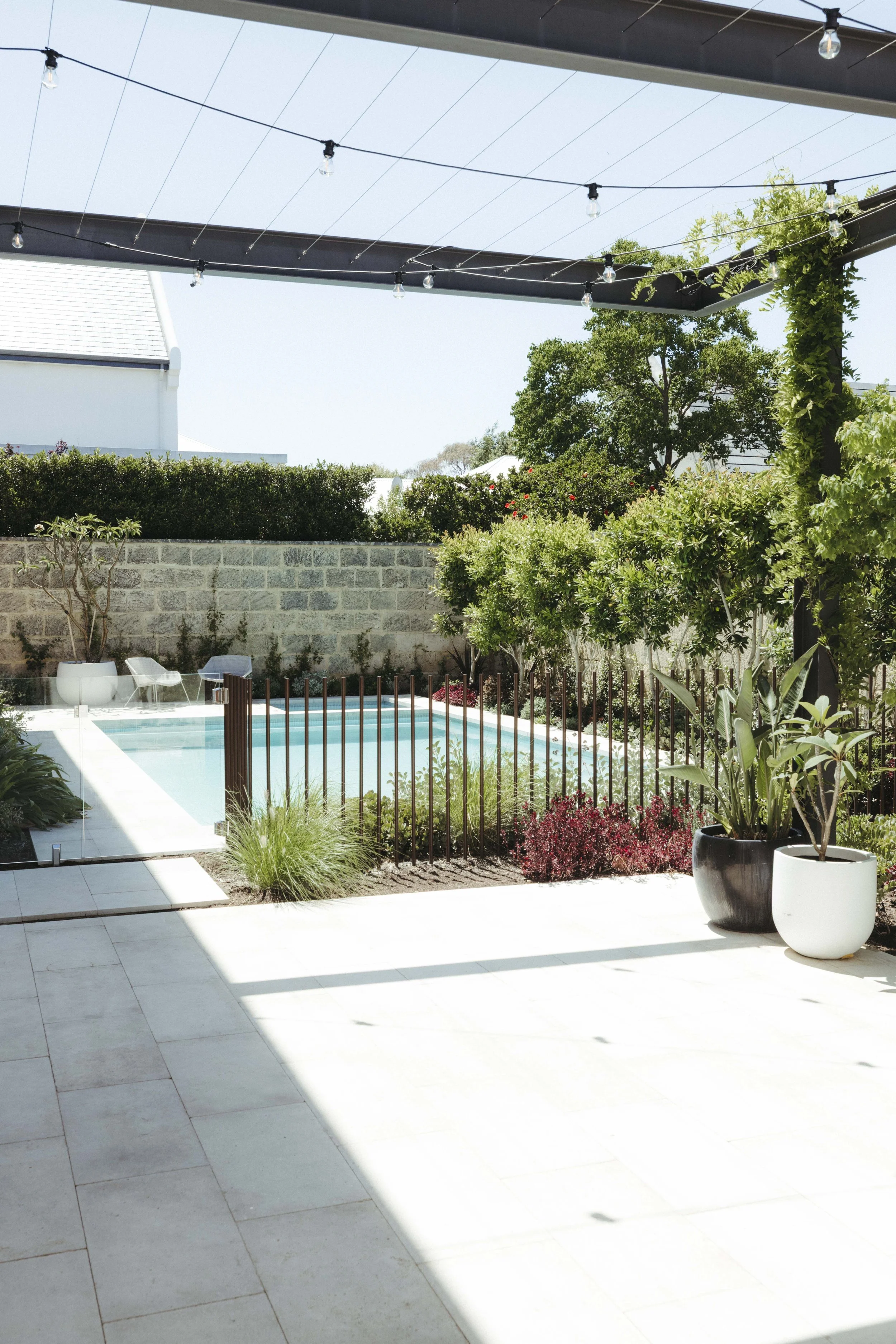
A pool is one of the most permanent decisions you make when building or renovating. Once it is in, it influences how the site functions, how the home is experienced, and how outdoor spaces are used for decades.
Good pool design is not about trends or shapes. It is about planning. How water, structure, safety and lifestyle come together in a way that feels natural rather than forced.
Position, orientation and light
The orientation of a pool determines how often it is used.
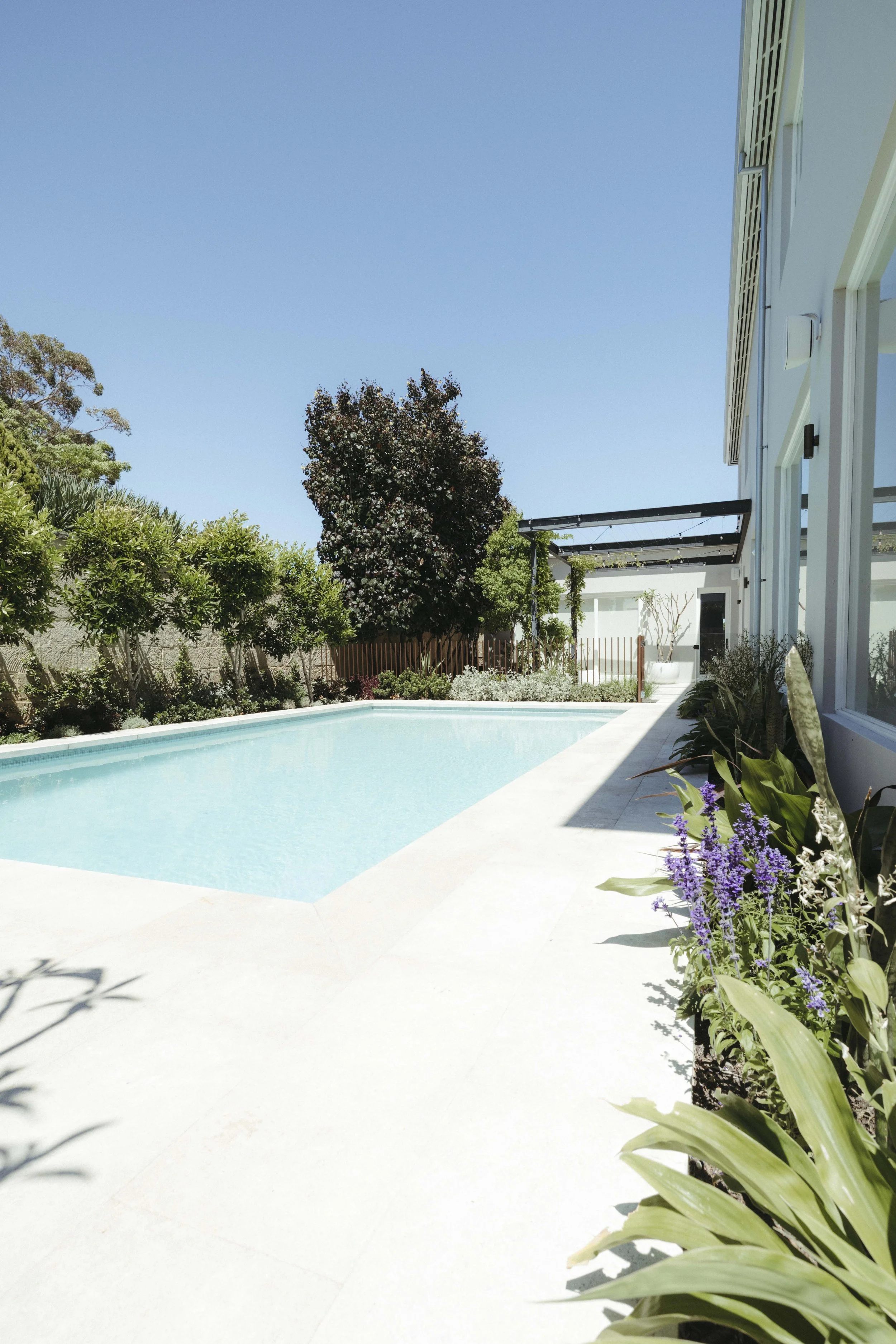
In Australia, sunlight plays a major role in water temperature, energy efficiency and comfort. A well positioned pool can reduce reliance on heating, extend the swimming season, and feel more inviting throughout the day.
Northern exposure is often preferred, but it is not always the answer. Wind patterns, overlooking neighbours, site constraints and how the home is oriented all affect the final decision.
Think about how the sun moves across the site. Morning light can feel calm and energising. Afternoon sun supports entertaining and family use later in the day.
When do you imagine using the pool most often? Early mornings, afternoons, or evenings?
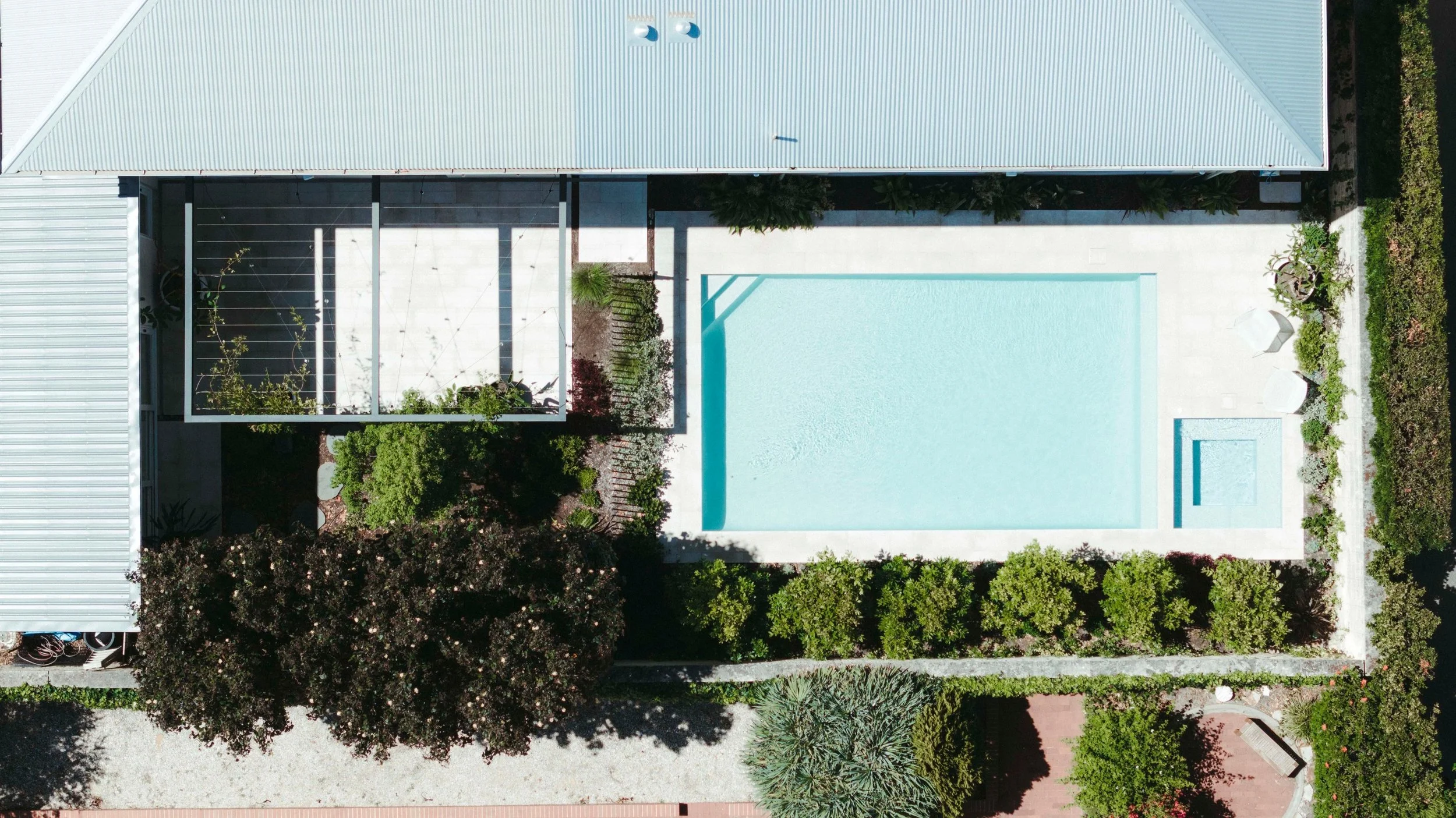
At City Beach, careful positioning allowed a compact pool to maximise light while still protecting privacy, proving that orientation matters just as much on smaller sites.
Integrating the pool with everyday life
Pools work best when they support how people actually live.
This is not just about where the pool sits, but how you move around it. Paths, seating, outdoor cooking zones and entry points all shape whether the pool feels inviting or awkward.
Some households want the pool to be central, visible from key living areas and connected to outdoor entertaining. Others prefer it tucked away as a place to retreat.
Lifestyle questions are as important as technical ones.
Will children be using the pool daily?
Is it for quiet swims or hosting groups?
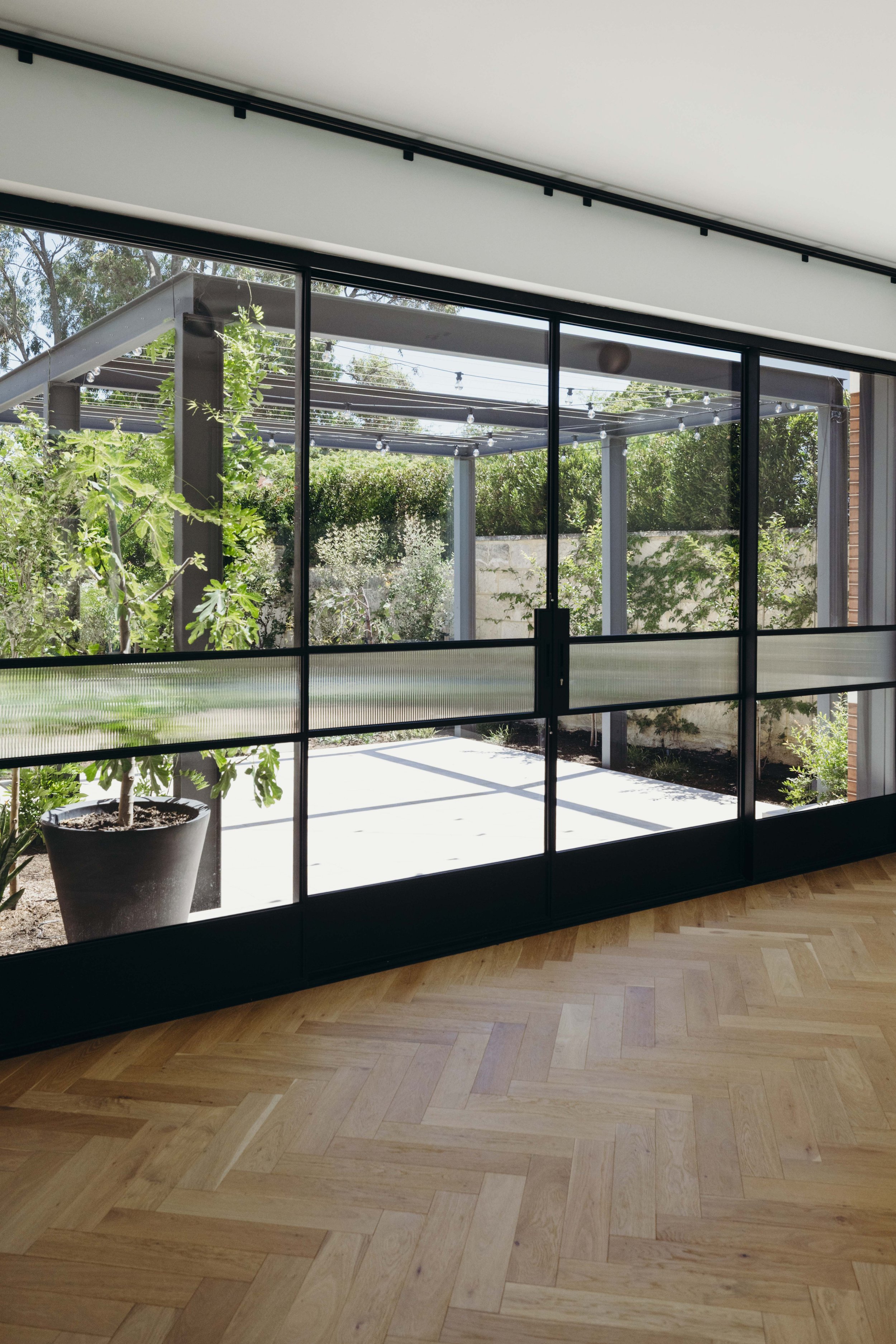
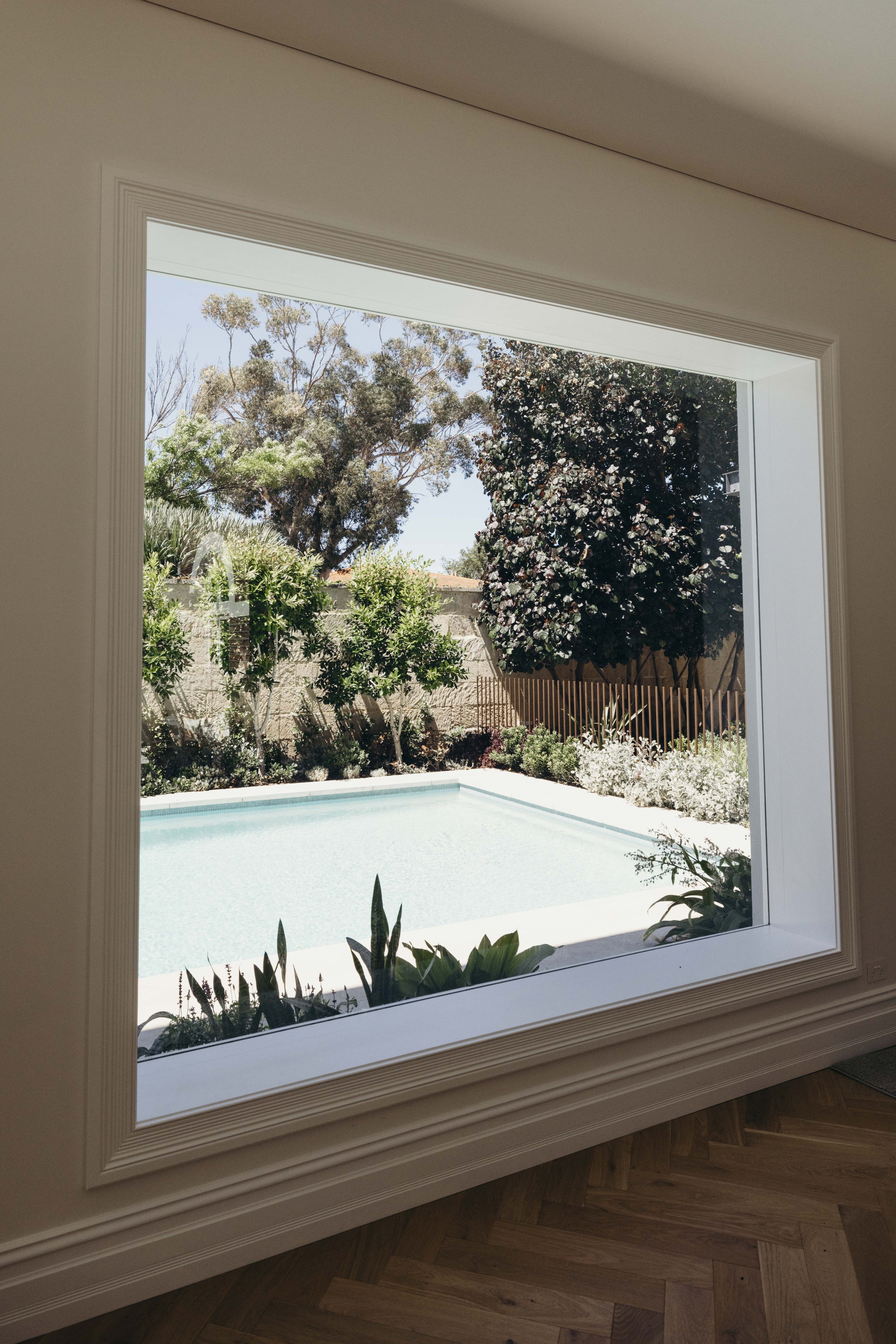
Do you want to see the pool from inside, or only when you step outside?
When these questions are answered early, the pool becomes part of daily rhythm rather than a feature that only gets used on hot days.
Materials and finishes beyond aesthetics
Pool materials need to work hard.
Finishes are exposed to water, chemicals, sun and constant use. What looks good on day one needs to perform years later.
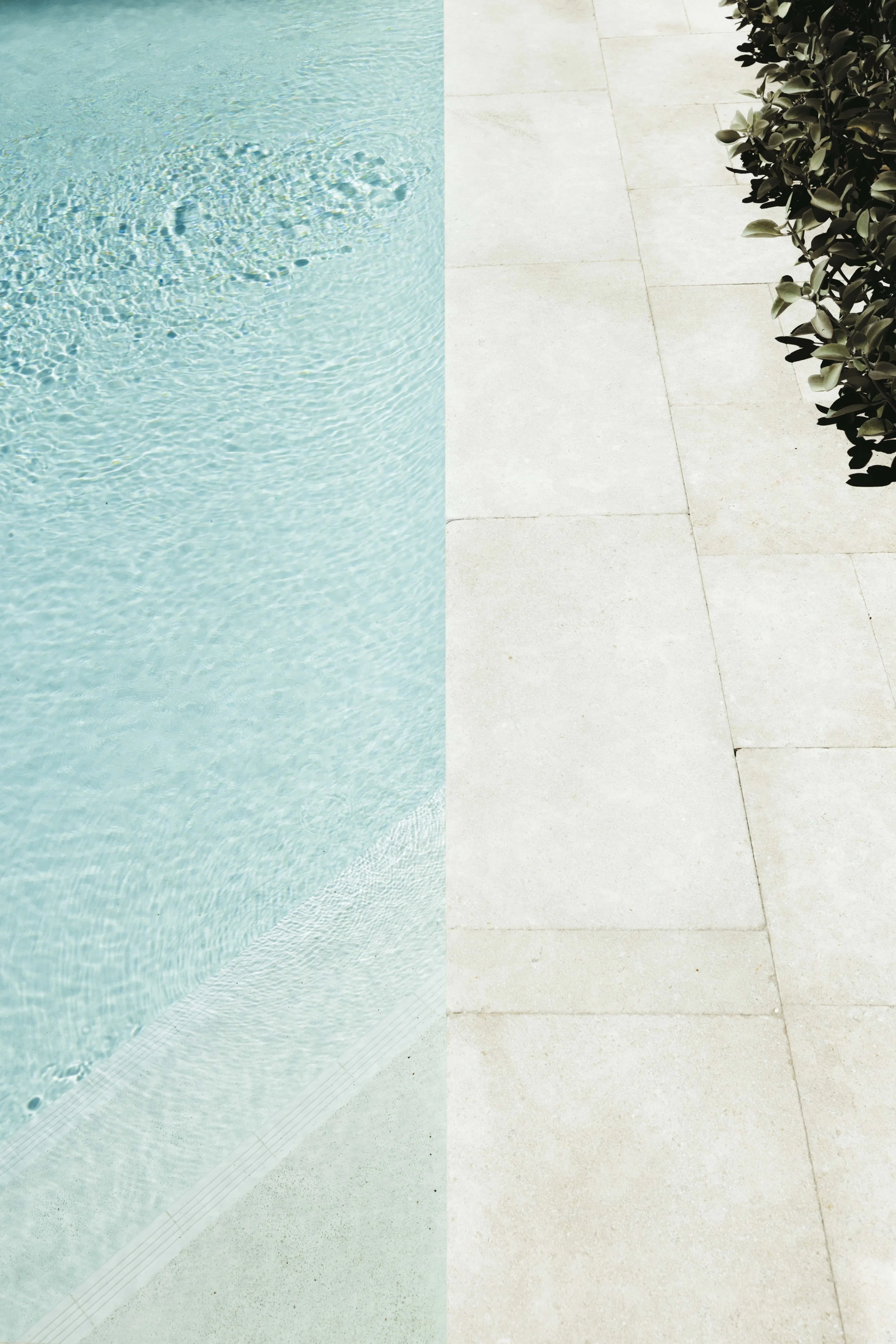
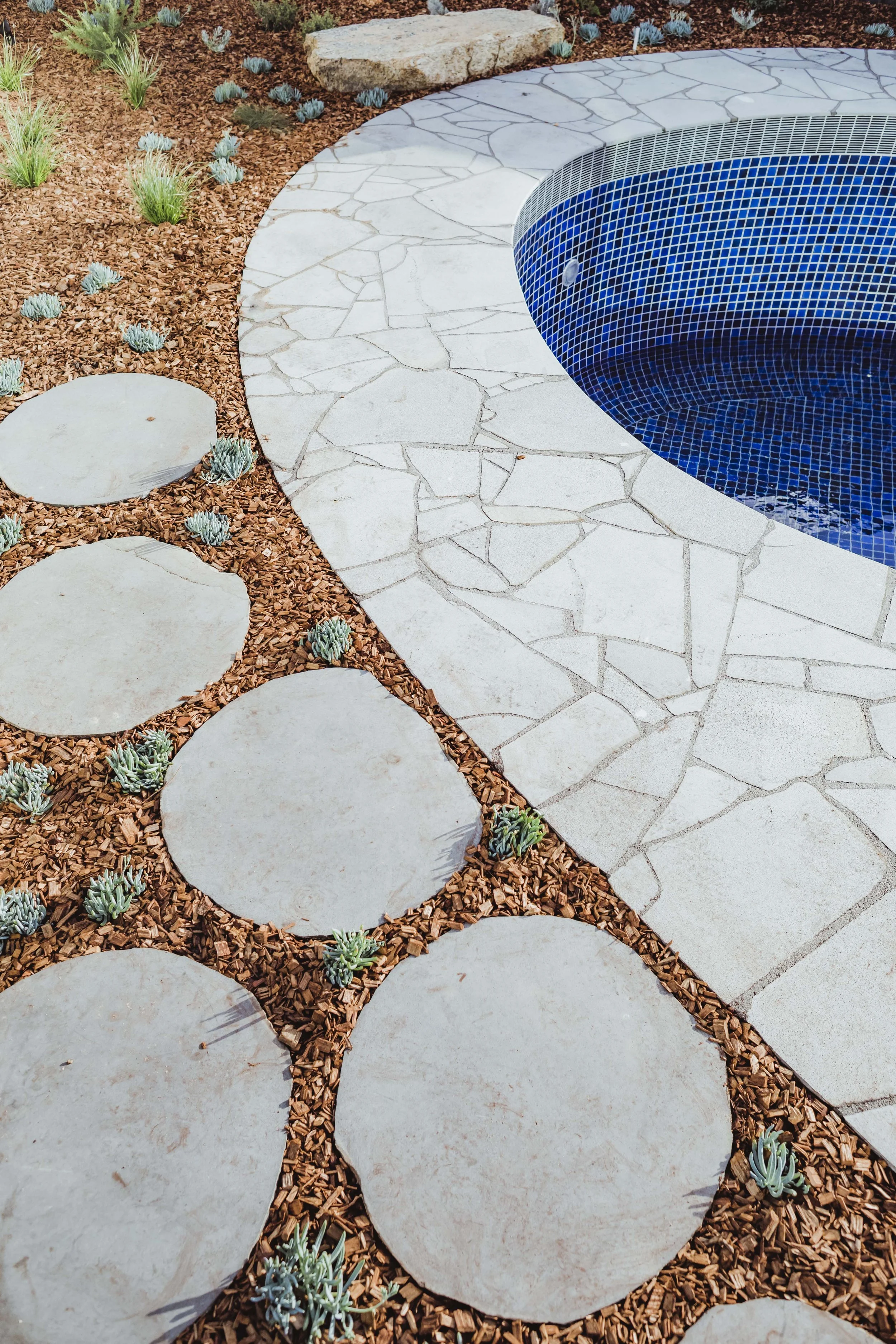
Interior pool finishes affect water colour, texture underfoot and maintenance. Pale finishes reflect light and feel fresh. Deeper tones can feel moody and architectural but absorb more heat.
Surrounds need to balance slip resistance, durability and comfort. Materials should stay cool underfoot, drain well and age gracefully.
Details like coping edges, drainage and transitions between materials are often overlooked, yet they define how refined a pool feels once complete.
The best pools are designed with longevity in mind, not just first impressions.
See our pool and fencing partners
Understanding Australian pool safety requirements
Pool compliance in Australia is strict, and for good reason.
All residential pools must be enclosed by a compliant safety barrier. This includes minimum fence heights, maximum gaps, non-climbable zones and self-closing, self-latching gates.
What many homeowners do not realise is that compliance extends beyond the fence itself. Nearby walls, windows, doors, furniture and landscaping can all impact whether a pool meets regulations.
Different states and councils have additional requirements, and older pools may need upgrading when homes are renovated or sold.
Planning for compliance from the start avoids costly redesigns later and ensures safety is integrated seamlessly into the design.
If you are considering a pool and unsure how regulations apply to your site, our team can guide you through the process and coordinate compliance as part of the build.
Pools as part of the whole home
A well designed pool is not a standalone element.
It needs to sit comfortably within the broader architecture, landscape and flow of the home. This means thinking about how the pool looks from inside, how it feels at night, and how it connects visually to other outdoor spaces.
At Peppermint Grove, the pool was designed as a quiet extension of the home, framed by planting and clean paving so it felt considered rather than dominant.
When pools are planned as part of the overall build, they elevate the home instead of competing with it.
Building a pool is both a technical and lifestyle decision. With the right guidance, it becomes a natural extension of your home rather than a separate project to manage.
If you are planning a new build or renovation and considering a pool, our team can help you navigate design, compliance and construction with clarity and confidence.
Get in touch with Mayfair to start shaping a home that truly works for the way you live.